Fresh & soft
Fresh cheeses like ricotta, cottage, and fromage blanc are mild, moist, and unsalted, ideal for spreading. Soft-ripened brie and camembert develop a white rind with creamy centers as they age. Mozzarella and burrata are milky, best eaten the day made. These pair with fruit and bread at breakfast or as a light course. Store wrapped and cool, but serve at room temperature for fullest aroma.
Semi-hard & hard
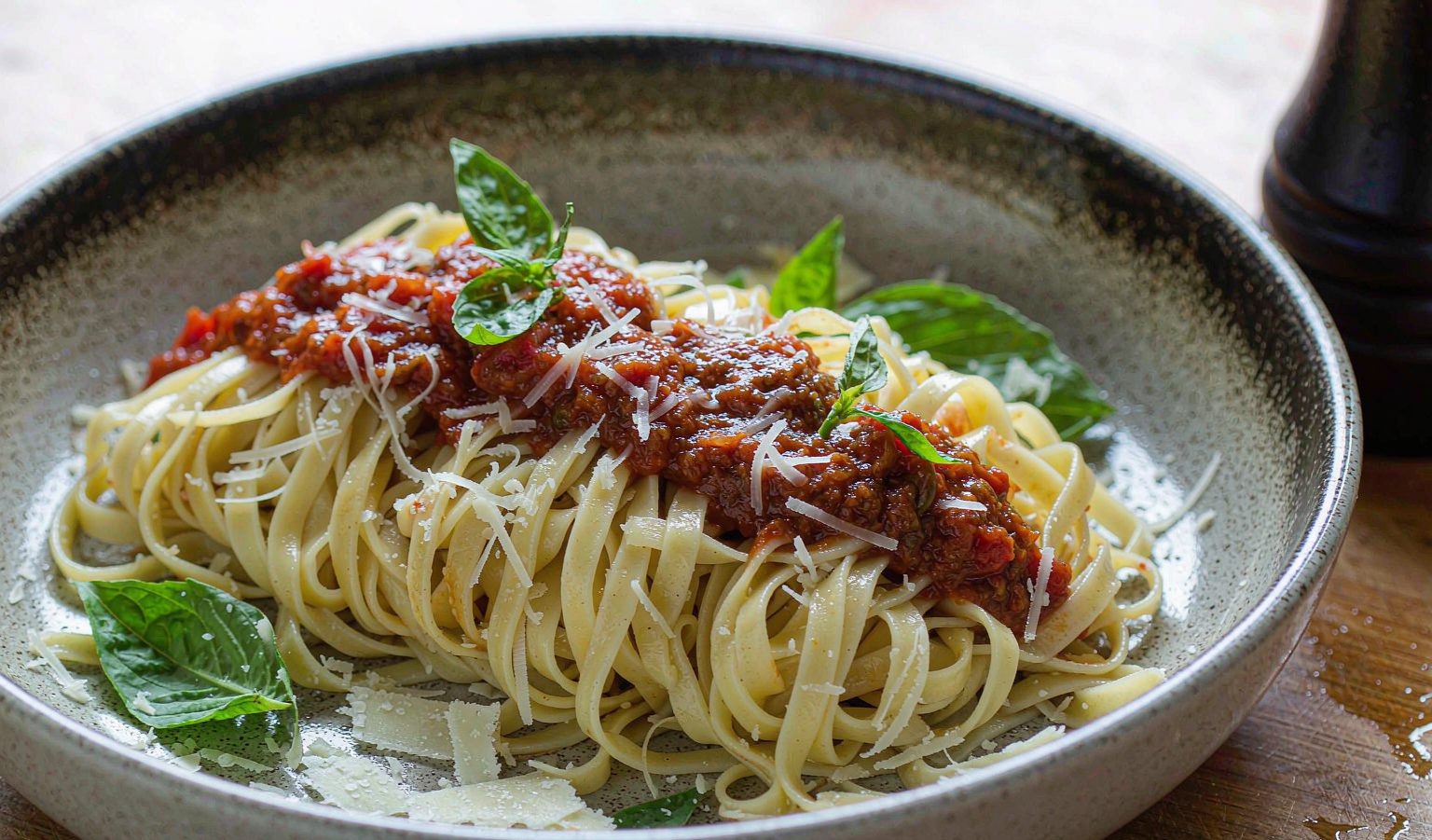
Cheddar, gouda, and emmental fall in the semi-hard range with nutty, buttery notes. Hard cheeses like parmesan and pecorino are aged long, granular, and salty, grated over pasta or eaten in shards. Alpine styles develop crystalline crunch from age. Rind is often edible on natural-rind wheels. These keep well and travel, making them reliable picnic and sandwich choices across regions.
Blue & washed
Blue cheeses such as Roquefort, gorgonzola, and stilton vein with mold for pungent, salty bite. Washed-rind varieties like Limburger and Munster are sticky and strong, softened by rye bread. Serve blues with honey, pears, or sweet wine to balance sharpness. Keep them sealed apart, since aromas spread. Small portions satisfy; offer with walnuts and figs for a classic after-dinner cheese board.
Serving & tips
Build a board with one cheese from each style and add bread, grapes, and nuts. Let cheese warm thirty minutes before serving to release aroma. Use separate knives per wheel to avoid mixing flavors. Pair with the region's wine or cider. Ask mongers for taste samples at markets. Note raw-milk cheeses may be restricted; check labels if traveling across borders with purchases.