City overview & best season
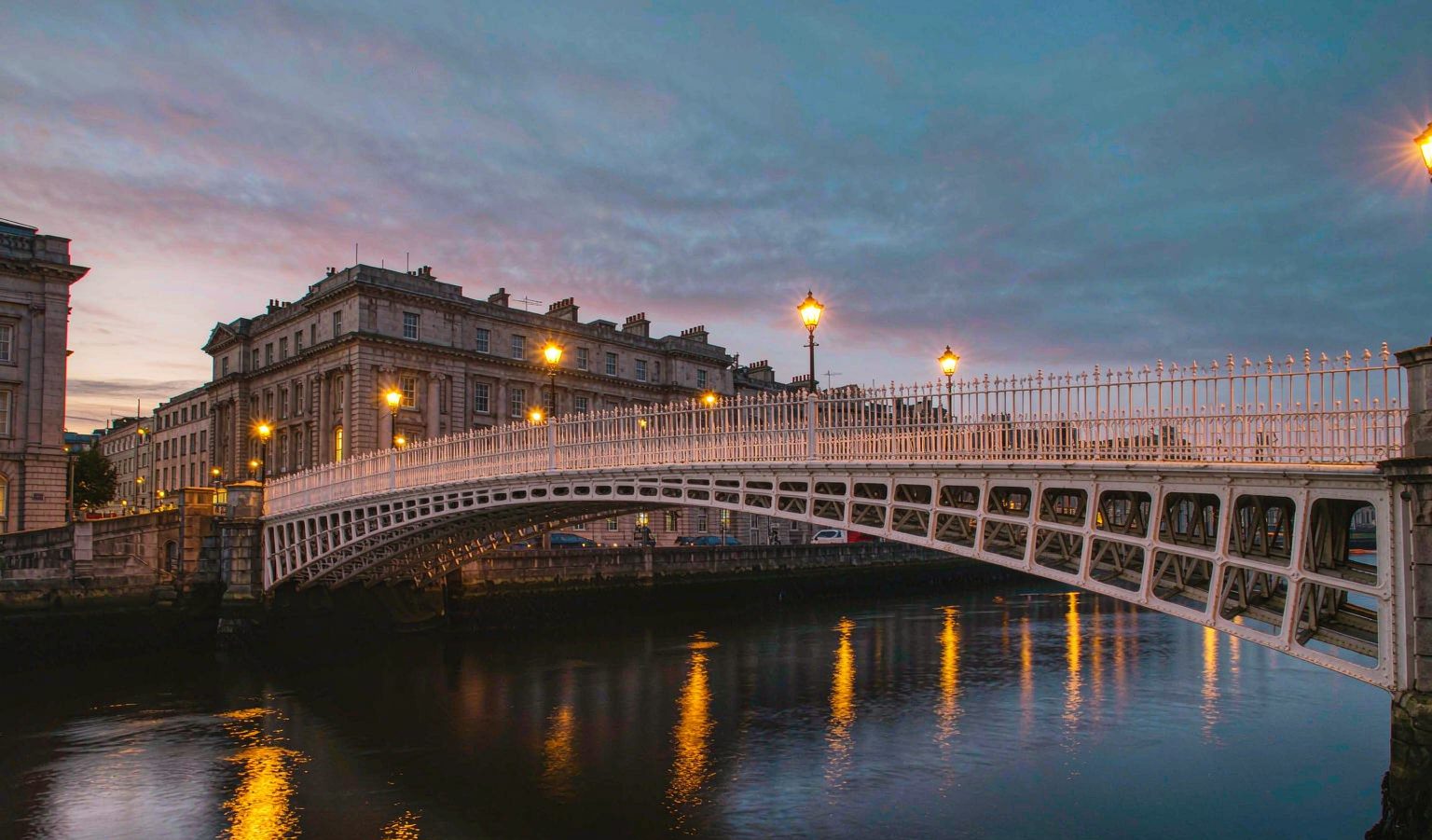
Dublin sits where the River Liffey meets a wide bay, compact and walkable with a big literary and musical heart. Late spring and early autumn are mild and less crowded than summer. December is cozy with markets and lights. Rain is possible any month, so pack a shell. The city center is small enough to cross on foot in twenty minutes. Two or three days covers the core; add a day for coastal cliffs or the scenic Wicklow hills nearby. Dubliners' warmth is the real draw.
Must-see sights
Trinity College holds the illuminated Book of Kells and a Long Room library. Dublin Castle and Christ Church Cathedral anchor the old core. The Guinness and whiskey museums trace national drinks with tastings. Stroll Grafton and Henry streets for shopping. The National Museum covers Celtic gold. Temple Bar has galleries by day and music by night. Phoenix Park, one of Europe's largest, hosts deer and a historic residence. A Liffey river walk links many sights smoothly.
Neighborhoods to explore
Temple Bar is the tourist hub of pubs, galleries, and markets. The Creative Quarter around South William Street mixes design shops and cafes. St. Stephen's Green and Grafton offer Georgian calm and parks. The Liberties is historic, with distilleries and cobbled lanes. Docklands has modern offices and river walks. Ranelagh and Rathmines are leafy, local residential escapes. Each is walkable or a short bus ride. Base in the center to reach everything, then venture out for quieter, more authentic streets.
Local food: what to eat & where
Find a traditional pub for a pint with beef and Guinness stew or a full Irish breakfast. A bakery sells soda bread and sweet bun trays. A fish-and-chip shop near the quays serves battered cod with vinegar. A casual spot plates fish pie or lamb stew with mash. A market hall offers oysters and brown-bread crab. For something sweet, a cafe makes apple tart with cream. A whiskey bar pairs local cheese with a tasting flight of single malts and poitín.
Where to stay
The city center suits first-timers wanting sights, pubs, and the river walkable. Temple Bar is lively but noisy; good for nightlife lovers. The Creative Quarter offers boutique stays near cafes. The Liberties fits history buffs near distilleries. Ranelagh and Rathmines give quiet, local living with quick buses. Budget visitors use hostels near the station or guesthouses north of the river. Book ahead for summer and St. Patrick's festival, when rooms tighten. Apartments help control dining costs.
Getting around
Dublin's core is walkable, with the Liffey bridges linking north and south sides in minutes. Buses and the Luas tram cover farther districts on a single leap-card system. The DART coastal train reaches seaside villages and cliffs scenic cheaply. From the airport, an express bus reaches the center reliably. Taxis are pricey and slow in traffic; avoid them for short hops. Bikes work along the quays and canals. Avoid renting a car for the center, where parking is limited.
Avoid these mistakes
Do not confine yourself to Temple Bar's overpriced tourist pubs; local bars a street away pour better pints cheaper. Avoid driving the center, where parking is scarce and traffic slow. Do not skip the DART for coastal day trips; it is scenic and cheap. Tourists often overpay at gate attractions; book online. Finally, avoid assuming every month is dry, and carry a shell, and do not visit on a Sunday expecting all shops and attractions open early.