City overview & best season
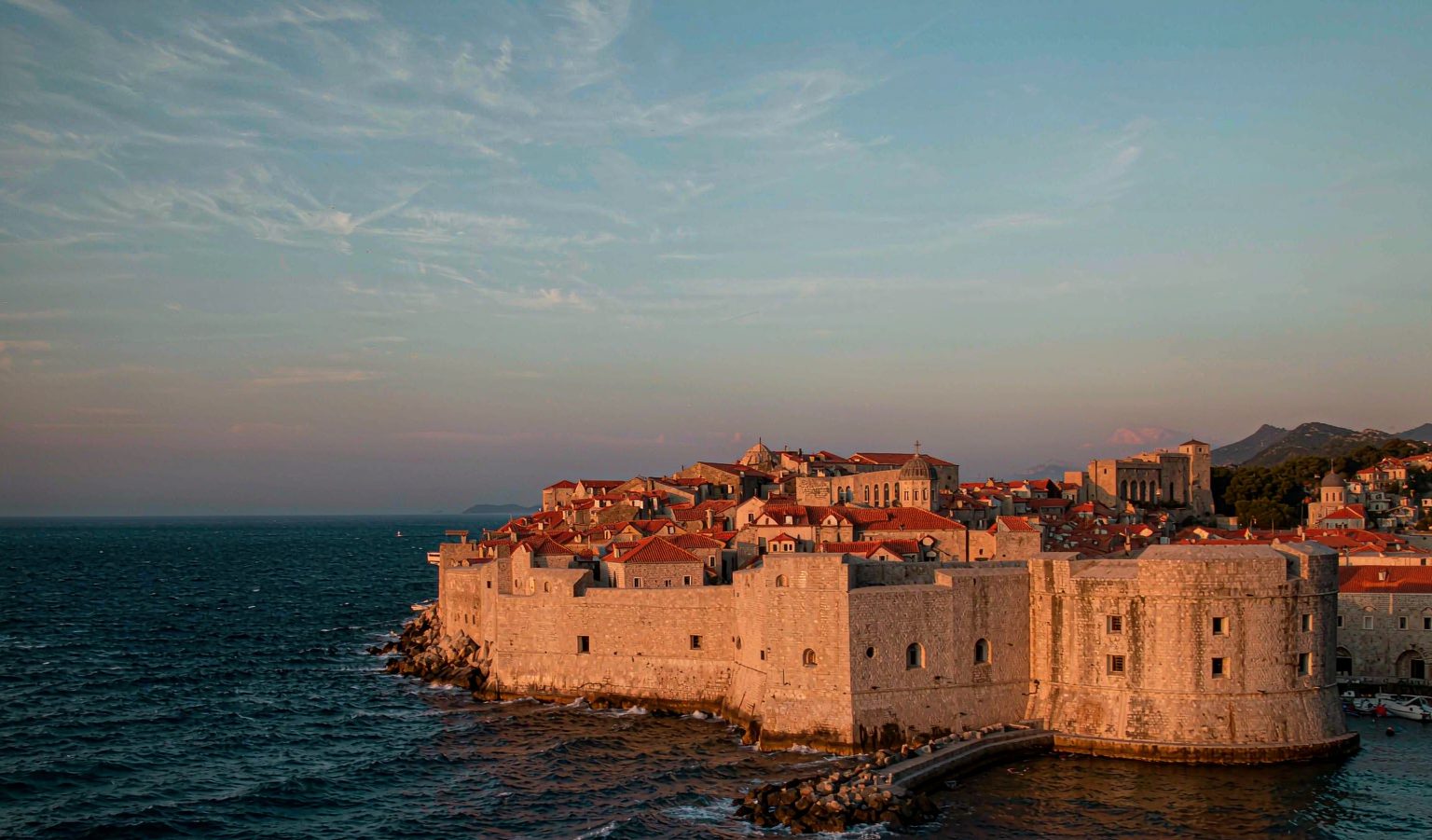
Dubrovnik clings to the southern Croatian coast, its old town enclosed by imposing fortress walls above a glittering sea. Late spring and September are best, with warm swimming and fewer crowds than July and August peaks. Winters are quiet and cool. The historic core is car-free, so walking defines the visit. Expect stairs and slopes everywhere. A two- or three-day stay covers the walls and nearby islands; add days for beaches and kayaking. Book lodging early, as the compact city fills fast in summer.
Must-see sights
Walk the full circuit of the fortress walls for uninterrupted sea and rooftop views; go early to beat heat and crowds. The Stradun is the polished main promenade linking the city gates. Onofrio's fountain and the cathedral anchor the old square. Ride the cable car up Mount Srđ for panoramas and a fortress museum. Lokrum Island is a short ferry hop with peacocks and swimming coves. The Franciscan monastery holds a historic pharmacy. A sea-kayak tour frames the walls from the water beautifully.
Neighborhoods to explore
The Old Town inside the walls is the dense heart of lanes, churches, and squares. Ploče, east of the gate, has upscale hotels and cliff beaches. Lapad, a peninsula west, offers a breezy pedestrian zone and family coves. Gruž holds the main market and the ferry port for island hopping. Babin Kuk adds resort hotels and pine shade. Most visitors stay in or near the core and use buses along the coast. Each area links by a reliable coastal bus line.
Local food: what to eat & where
Find a konoba, a rustic tavern, for grilled sardines, squid, and a plate of black risotto with cuttlefish ink. A bakery sells buoy-shaped bread and sweet fritule pastries. At the harbor market, choose oysters and fresh prawns by the piece. A casual spot serves peka, meat or octopus slow-cooked under a bell, with rose wine. For a snack, a street stand offers a soparnik spinach pie. Lunch counters near the port beat old-town tourist prices for similar seafood.
Where to stay
The Old Town suits those wanting atmospheric lanes steps from the walls, though rooms are compact and pricey. Ploče fits travelers wanting sea-view hotels and quiet. Lapad is family-friendly with easy beaches and buses to the core. Gruž works for budget visitors near the ferry and market. Babin Kuk offers resort-style stays with pools. Book many months ahead for summer. Apartments just outside the walls give more space and lower costs with a short walk in.
Getting around
Dubrovnik's old town is walkable but hilly, with many stairs, so pack light and wear grippy shoes. Local buses run the coastal strip between the core, Lapad, and the port reliably. From the airport, a shuttle bus or private transfer reaches the city in about thirty minutes. Ferries from Gruž connect to nearby islands for day trips. Taxis are limited and pricey; avoid them when buses run. Kayaks and small boats offer scenic access to coves the roads cannot reach.
Avoid these mistakes
Do not visit the walls at midday in summer; the heat and crowds are brutal, so go at opening. Avoid assuming cruise days are calm; check the schedule and explore side streets when ships dock. Do not rent a car for the old town, which is car-free and parking is scarce. Tourists overpay at central restaurants; eat near the port or markets. Finally, avoid swimming right below the walls where boats churn; use marked coves instead.