What you'll find
Covered halls gather fishmongers, cheesemongers, bakers, and greengrocers under one roof with seasonal produce stacked high. Stalls sell prepared foods, olives, and charcuterie by weight. Flower sellers and spice merchants add color and aroma. Many markets keep a few hot-food counters for quick lunches. Arrive mid-morning for the fullest selection before lunch crowds thin the best displays and fresh-baked goods.
Regional highlights
Southern markets burst with tomatoes, citrus, and peppers in summer. Northern halls focus on smoked fish, root vegetables, and preserved foods. Mediterranean stalls offer olives, herbs, and fresh cheese. Alpine towns sell cured meats and mountain cheeses. Coastal markets auction morning catches. Each region's climate shapes its stalls, so visiting several markets reveals how local geography directly drives the daily diet and cooking.
Eating there
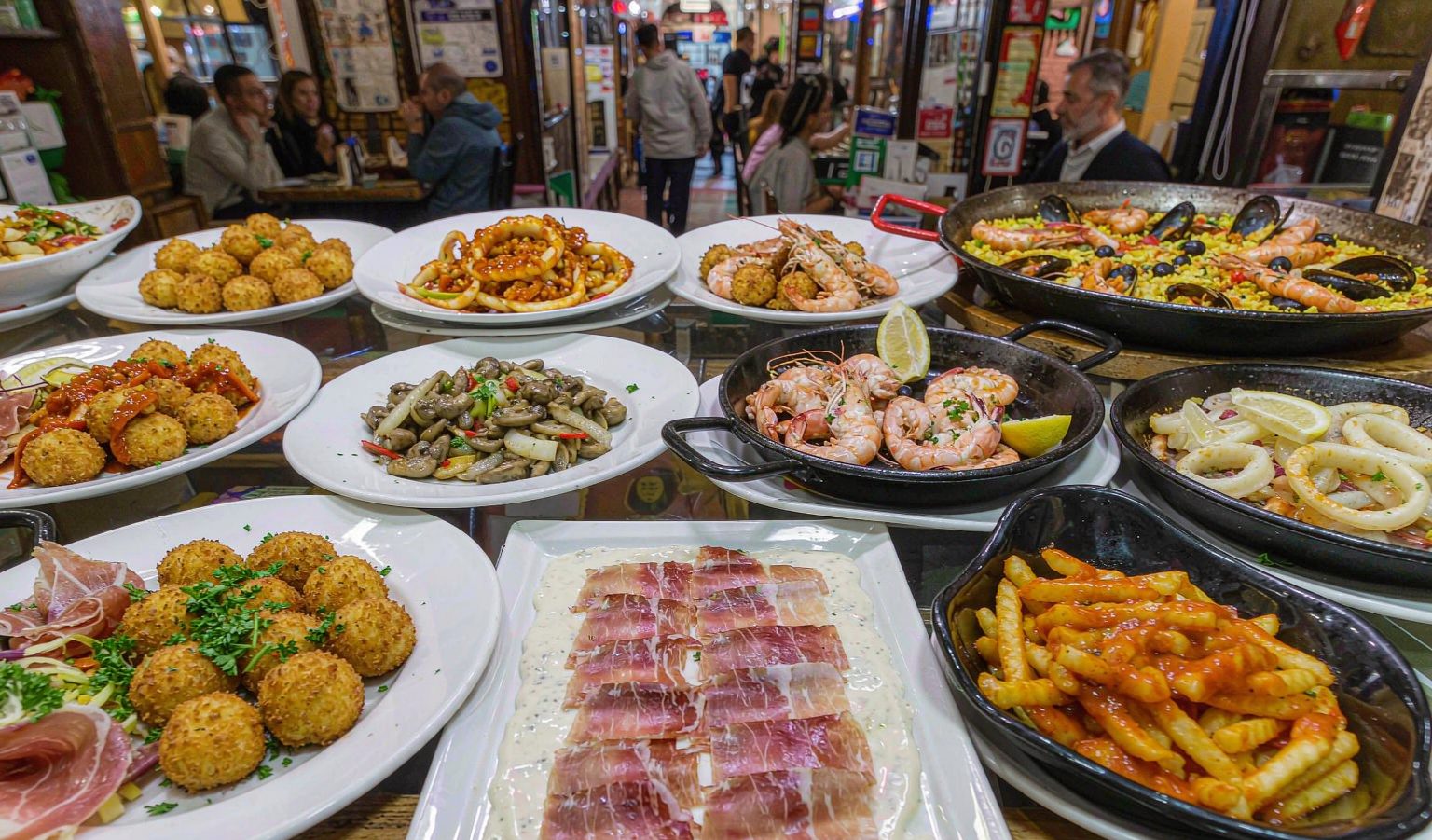
Many markets have counters where you stand and eat fresh oysters, paella, or raclette. Grab bread, cheese, and fruit for a picnic nearby. Sample before buying when vendors offer tastes. Prices are fair and quality high versus restaurants. Watch locals order by pointing and weighing. Carry a bag for purchases. Some halls host evening food courts with communal tables and live music.
Tips & etiquette
Bring reusable bags and small cash for stalls that skip cards. Keep produce handled minimally and ask before touching. Queue politely; let regulars go first at busy counters. Photograph respectfully without blocking trade. Ask about seasonality to learn what tastes best now. Markets close mid-afternoon, so plan early. Respect no-sample rules at premium fish counters and tip none, since prices include service.