What is a route
A food route strings together bakeries, markets, wineries, and cafes along a themed path through a city or region. Some follow cheese trails, others chocolate or wine. Maps mark each stop with tasting notes and opening hours. Routes let you pace yourself across a day or weekend. They suit groups and solo travelers alike, turning eating into structured, map-guided exploration with a clear beginning.
City routes
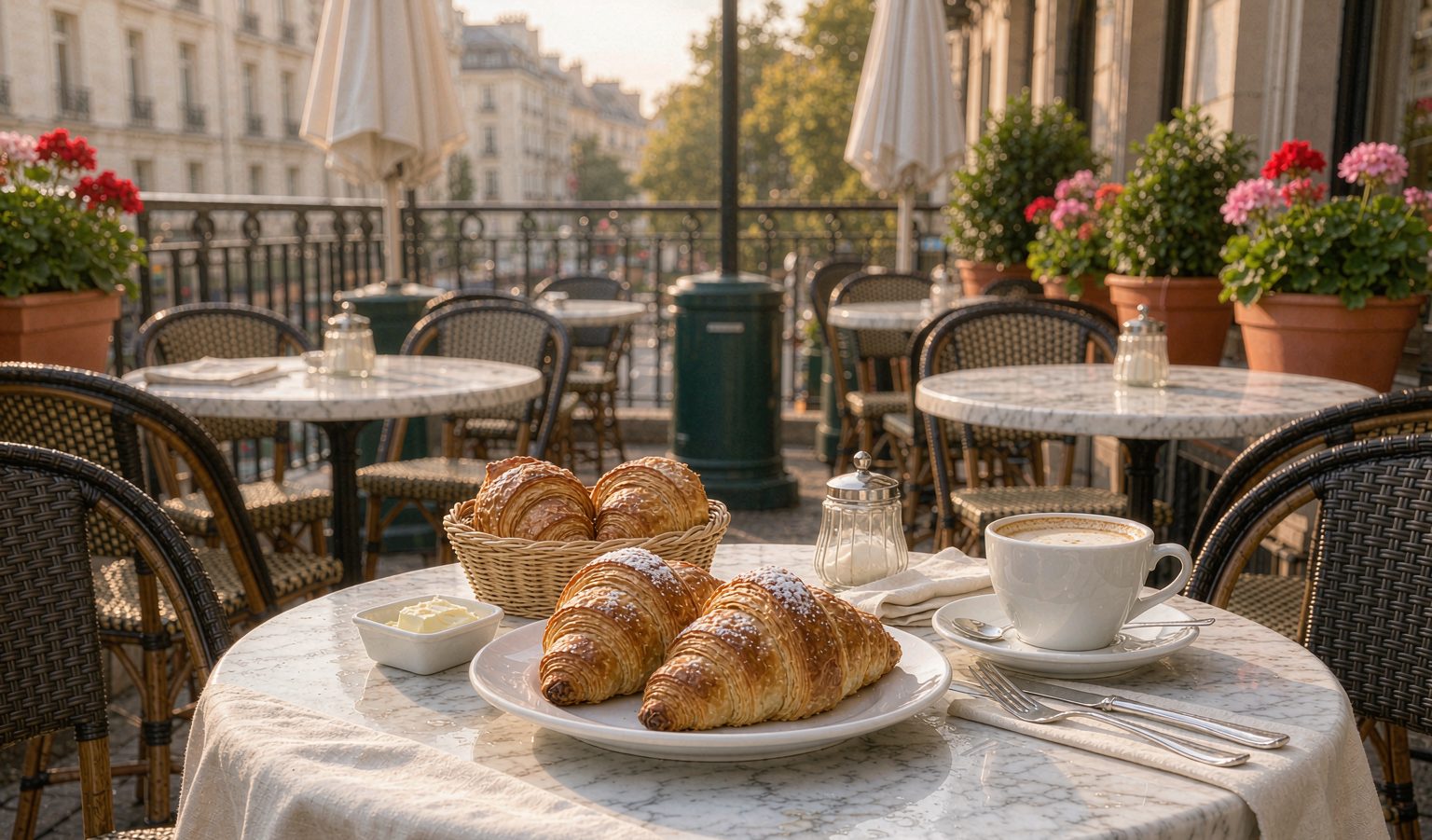
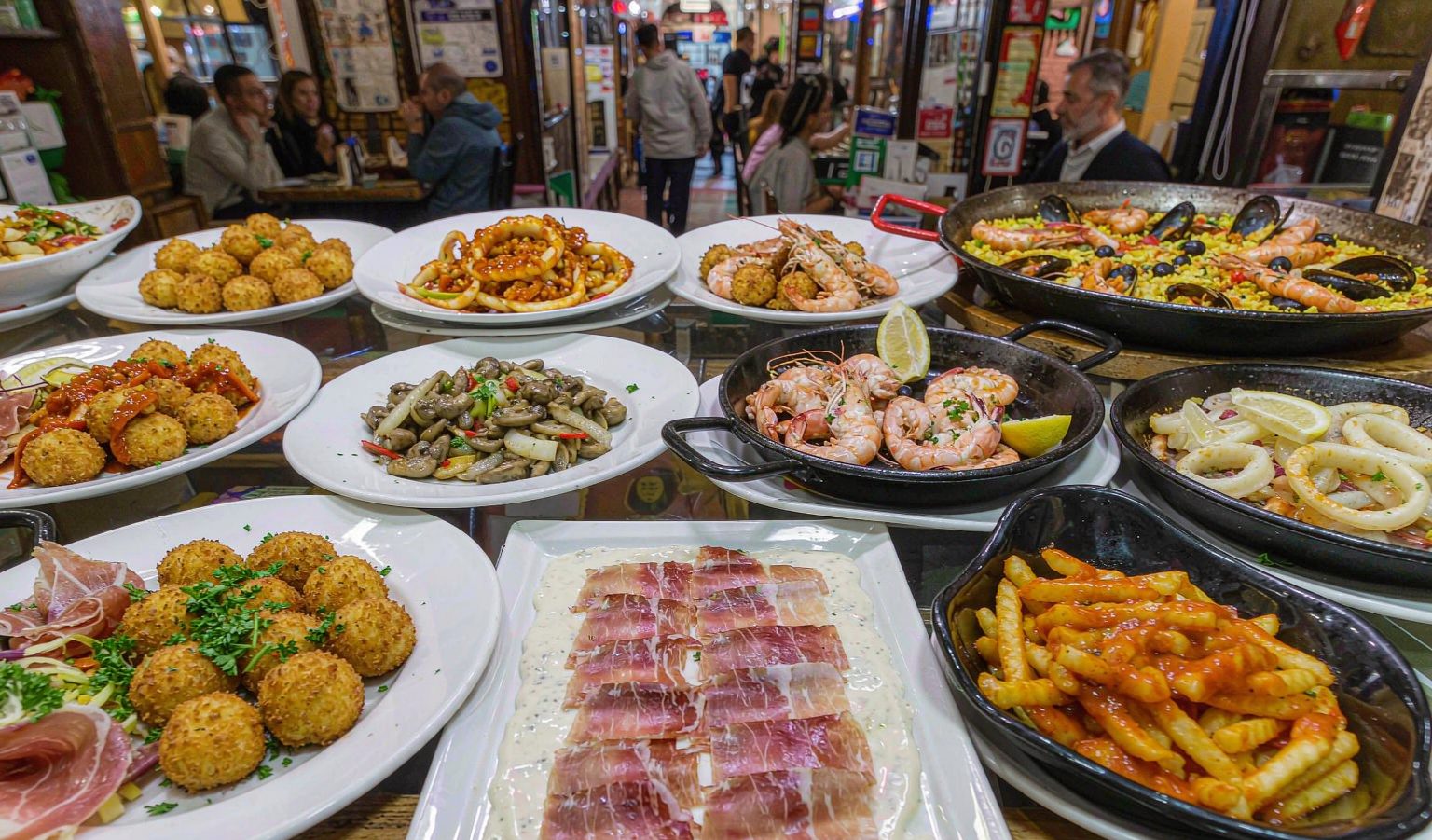
Urban trails weave between historic cafes, street-food corners, and covered markets within walking distance. Follow a river or old quarter to connect pastry shops and wine bars. Self-guided apps suggest orders and timing. Stop counts stay manageable, around four to six, to leave room for spontaneity. Public transit bridges farther points. These routes reveal neighborhood character better than a single restaurant reservation ever could.
Countryside routes
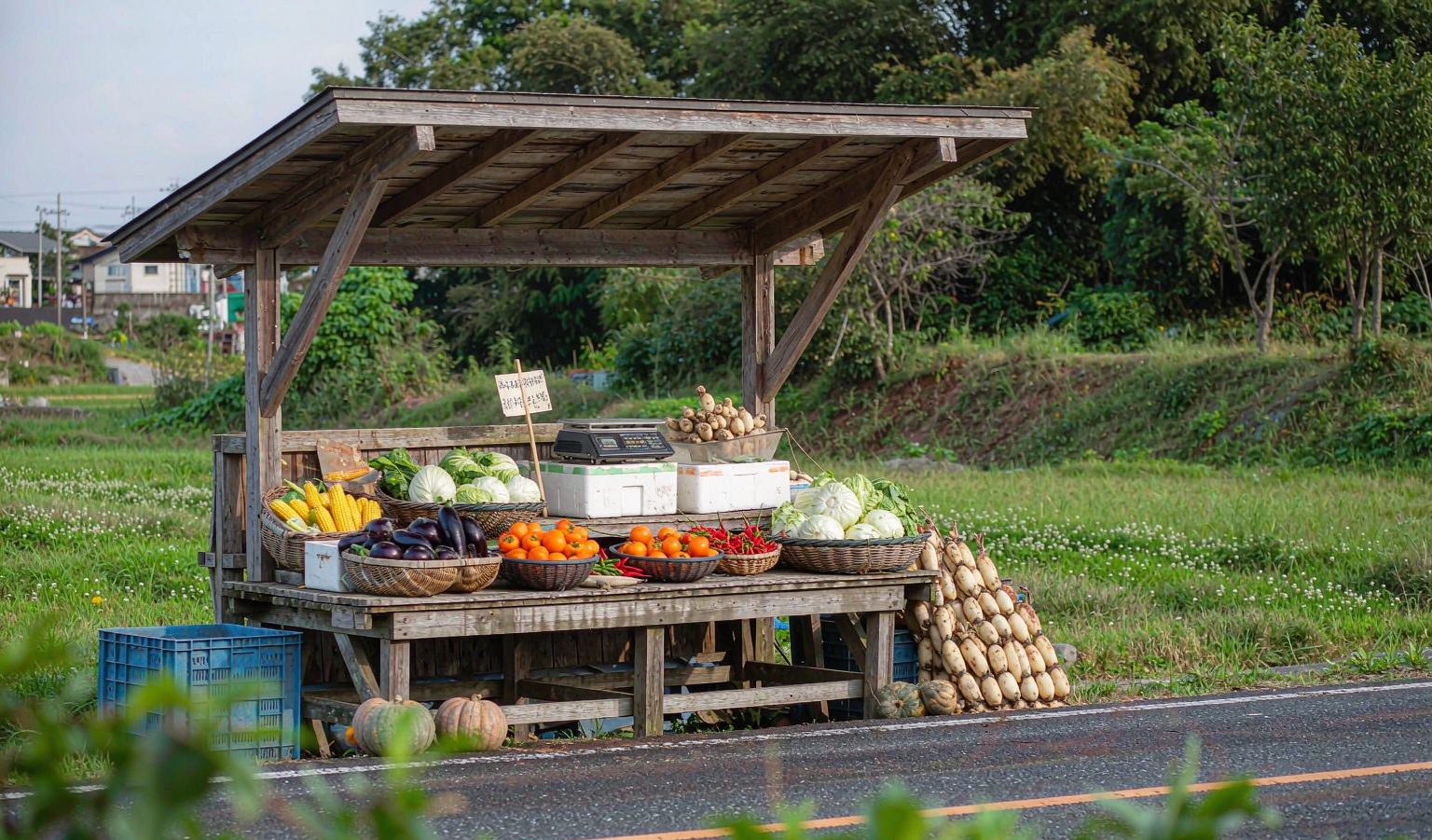
Rural drives link vineyards, orchards, and creameries across scenic valleys with signed stops. Pull over for tastings, farm shops, and picnic viewpoints. Distances need a car or bike, so plan fuel and rest. Cellar doors pour regional wines; roadside stands sell fruit. Booking ahead helps at small dairies. These slower journeys pair landscape with flavor, making the drive itself part of the tasting memory.
Tips & etiquette
Pace tastings and drink water between stops to stay clear. Book working farms ahead since visits are timed. Don't overbuy before the route ends; ship goods home if allowed. Follow marked paths and respect private land. Tip only where customary. Carry a bag for purchases. Tell hosts your route; they often suggest the next stop. End with a relaxed meal to digest.