City overview & best season
New York is a dense, vertical metropolis of neighborhoods, each with its own character and cuisine. Spring and autumn are most pleasant, with mild weather for walking and parks. Summer is hot and crowded; winter is cold but magical with holiday displays. The city is safe and endlessly walkable, though distances are real. A first visit of four or five days covers Manhattan's highlights; return trips explore Brooklyn and Queens. Subway and feet are the way to experience it authentically and affordably.
Must-see sights
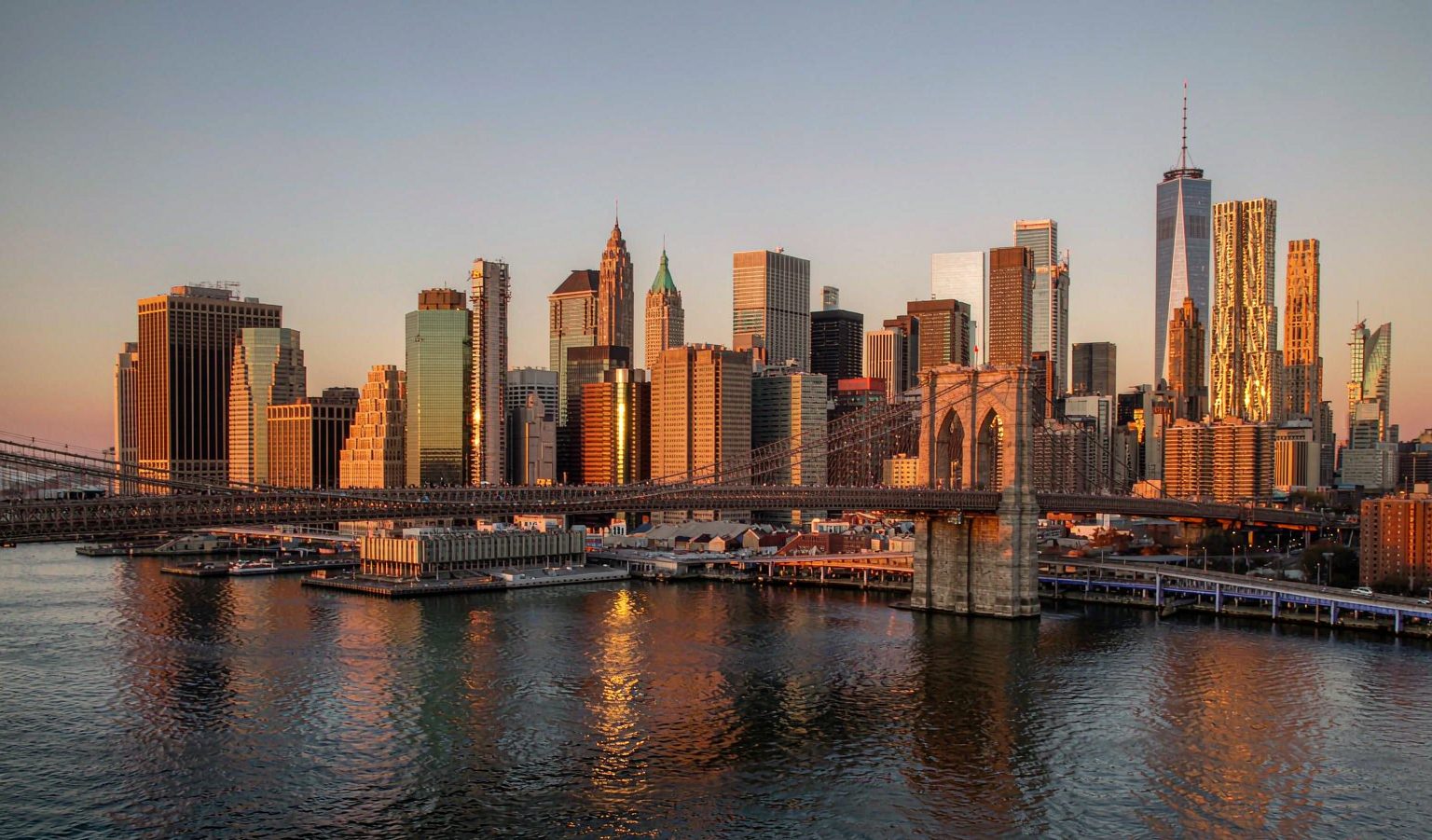
Central Park anchors Manhattan with lakes and museums at its edges. The Metropolitan and Natural History museums are vast and essential. Times Square is a neon spectacle best seen briefly. The Statue of Liberty and Ellis Island require a ferry. The 9/11 Memorial and One World Observatory reflect modern history and views. A Brooklyn Bridge walk connects two boroughs. The Empire State or a rooftop deck frames the skyline. Greenwich Village and SoHo reward aimless wandering far more than any single ticket.
Neighborhoods to explore
Manhattan's Midtown is iconic but touristy; downtown Tribeca and the Village feel human. Harlem offers jazz, gospel, and soul food. The Lower East Side mixes history and hip bars. Brooklyn's Williamsburg is creative with waterfront views; Park Slope is family-friendly. Queens' Astoria and Flushing are the city's best food trips. The Bronx has the botanical garden and a famed baseball stadium. Each neighborhood is a short subway ride apart, so plan days by area rather than crisscrossing.
Local food: what to eat & where
Find a classic deli for a stacked pastrami sandwich on rye with pickles. A pizza slice counter sells thin, foldable cheese slices by the piece. A bagel shop piles cream cheese and smoked salmon onto a chewy roll. A food hall gathers dumplings, tacos, and ramen under one roof. A street cart offers a halal rice plate with chicken and sauce. A neighborhood bakery sells black-and-white cookies. For something grand, a dim-sum parlor in Queens serves carts of small dishes.
Where to stay
Midtown suits first-timers wanting subway access and iconic sights, though it is busy and pricey. The Lower East Side and Greenwich Village offer character and walkable nights. Brooklyn's Williamsburg gives trendy stays with Manhattan views via subway. The Upper West Side is calmer and family-friendly near the park. Budget visitors use hostels in the East Village or rooms in Queens with a longer commute. Book early; New York rooms are small and expensive, especially in autumn.
Getting around
The subway is the fastest, cheapest way across the city, running twenty-four hours on most lines. Buy a contactless fare card or tap your phone at the turnstile. Walking reveals the most between nearby sights. Buses fill gaps aboveground but move slowly in traffic. From the airports, express buses or trains reach the city; taxis are costly. Avoid renting a car; parking is scarce and driving stressful. Citi Bikes work well for short hops in flat areas.
Avoid these mistakes
Do not eat only in Times Square; the food is overpriced and mediocre, so walk to a neighborhood counter. Avoid rushing between boroughs; pick areas per day to save time and fare. Do not ride unlicensed cabs; use yellow taxis or apps. Tourists skip the free Staten Island ferry, a great skyline ride. Finally, avoid underestimating walking and subway distances, and do not visit in summer without water, since heat and crowds exhaust quickly.