City overview & best season
Stockholm spreads across islands linked by bridges, so water defines the rhythm of the city. Late May to August brings warm light and open-air life, while February offers snow and possible aurora trips north. September and October are calm and colorful. The city is clean, safe, and walkable, though distances between districts are real. Carry a light jacket even in summer, since Baltic breezes cool the waterfront. AStockholm Card or transit pass simplifies ferries and museums across the archipelago.
Must-see sights
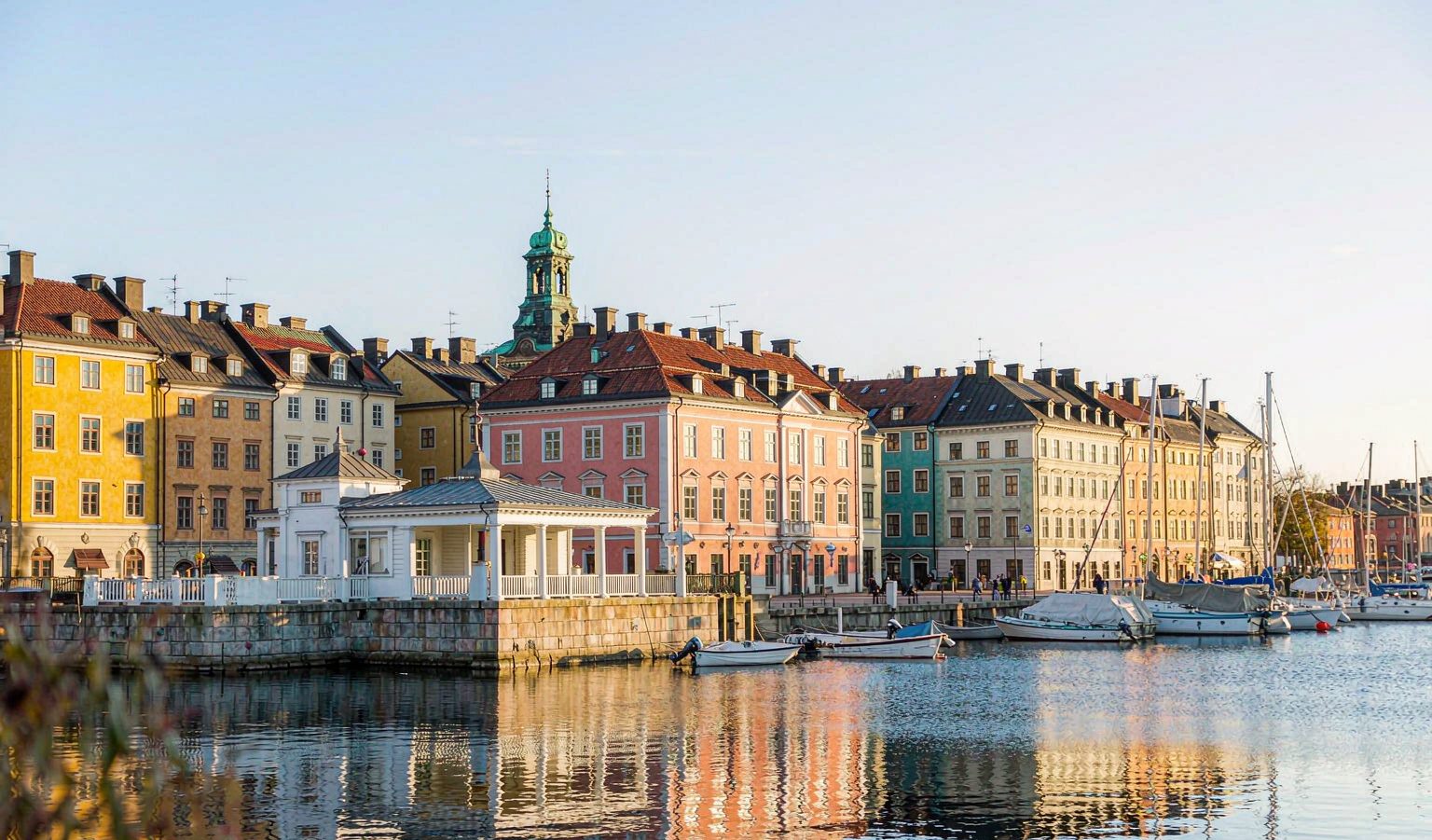
Gamla Stan, the old town, charms with narrow lanes, the royal palace, and the cathedral. The Vasa Museum displays a perfectly preserved seventeenth-century warship. Skansen is an open-air folk park with historic buildings and Nordic animals. Moderna Museet covers contemporary art, while Fotografiska focuses on photography. Take a ferry to Djurgården for green space and museums. City Hall offers tower climbs and the Nobel banquet hall. A harbor boat tour frames the whole archipelago beautifully.
Neighborhoods to explore
Södermalm is the creative quarter, with vintage shops, rooftop bars, and views from its hills. Norrmalm holds the shopping spine and central transit. Östermalm is polished and upscale, known for its food hall. Gamla Stan draws visitors with history and cafes. Vasastan and Kungsholmen offer calm, local living. For a hipster edge, wander Hornstull along the water. Each island feels distinct, so plan to hop by footbridge, metro, or the frequent commuter ferries.
Local food: what to eat & where
Seek out a classic meatball plate with lingonberry and cream at a casual tavern. A neighborhood bakery sells cardamom buns and crispbreads fresh daily. The grand food hall in Östermalm is the spot for herring, smoked salmon, and oysters by the counter. In summer, find a street kiosk selling grilled hot dogs with shrimp salad. For fair prices, a lunch canteen or food court in a department store beats tourist restaurants near the old town.
Where to stay
Norrmalm suits first-timers wanting central transit and major sights on foot. Gamla Stan offers atmospheric, if pricey, rooms among the cobblestones. Södermalm draws younger travelers with boutique hotels and nightlife. Östermalm fits those wanting refinement near the food hall. Budget visitors should look at hostels on Kungsholmen or budget chains near the stadium. Apartments in Vasastan suit families. Book well ahead for summer festivals, when accommodation sells out across the city.
Getting around
Stockholm's metro is famous for its art-filled stations and reaches most districts efficiently. Buses and commuter trains fill the gaps, and the same ticket works across all of them. Frequent ferries connect the islands and Djurgården, doubling as sightseeing. Walking works well within each neighborhood but not between distant ones. From the airport, the express train or bus reaches the center quickly. Avoid driving; bridges, tolls, and parking make it more hassle than help.
Avoid these mistakes
Do not visit Gamla Stan only to eat; its restaurants are often overpriced tourist traps, so dine a few streets away. Avoid underestimating distances between islands and wasting money on taxis. Do not skip the transit app, which clarifies zones and ferry times. Tourists often miss free museum days or the art in metro stations. Finally, avoid summer crowds at Skansen by arriving at opening, and never assume every shop takes cash.