City overview & best season
Budapest straddles the Danube, with hills on the Buda side and a flat, grand boulevard grid on Pest. Late spring and early autumn are ideal, with festivals and comfortable walks. Summer can be hot, while December's Christmas market on Vörösmarty Square is magical. The city is affordable, walkable, and famous for thermal baths. Pack good shoes for long avenues and tiled baths. A three-day visit covers the highlights; add days for the baths, islands, and a Danube bend excursion to nearby historic towns.
Must-see sights
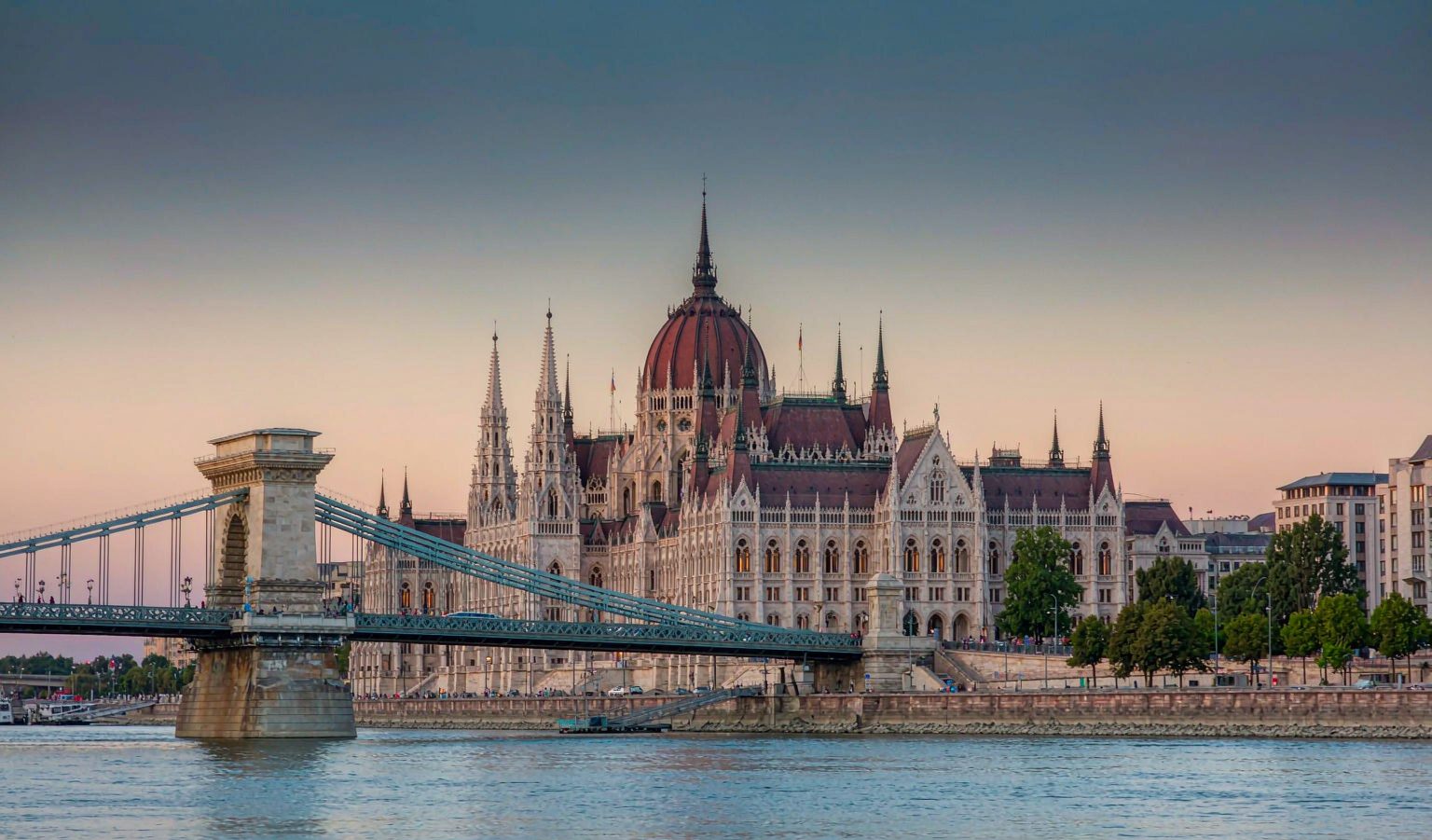
The Parliament building glows across the river and is best viewed from the opposite embankment at sunset. Buda Castle and Fisherman's Bastion crown the hills with panoramas. St. Stephen's Basilica offers dome climbs. The Széchenyi Chain Bridge links the halves elegantly. Soak at a grand thermal spa with outdoor pools. The Great Market Hall sells paprika and street food. A nighttime Danube cruise shows the bridges lit, and the ruined Gamá quarter's shell of a palace adds eerie history.
Neighborhoods to explore
Belváros is the inner Pest core of shopping and the basilica. The Castle District on Buda is historic, quiet, and full of viewpoints. Jewish Quarter (Erzsébetváros) mixes memorials, synagogues, and the famous ruin bars. Újlipótváros is calm and leafy with cafes. District V holds the boulevards and parliament. Margitsziget, the island, is a green escape. Each area links by metro, tram, or foot. Base yourself near the Jewish Quarter for nightlife or the Danube for views and calm.
Local food: what to eat & where
Find a casual bistro for goulash soup and chicken paprikás with nokedli dumplings. A bakery sells chimney cake dusted with walnut or cinnamon. At the Great Market Hall, grab a langos, fried dough with sour cream and cheese. A neighborhood wine bar pours Bull's Blood and crisp whites by the glass. A traditional csárda serves stuffed cabbage and roast duck. For sweets, a patisserie offers strudel and layered cream cake. Lunch specials at local canteens beat riverside tourist menus.
Where to stay
The Jewish Quarter suits nightlife lovers and ruin-bar fans, with apartments and boutique stays. Belváros fits first-timers wanting the basilica and boulevards walkable. The Castle District is romantic but quieter and pricier. Újlipótváros offers calm, local living near the river. Budget visitors use hostels near the stations or guesthouses in the outer districts with good metro links. Book ahead for summer and the Christmas market. Staying near a thermal spa adds a relaxing, very local routine.
Getting around
Budapest's metro is historic and efficient, backed by trams and buses on one ticket system. Tram 2 along the Danube is a moving sightseeing ride. Walking covers the Pest core well, though Buda's hills demand effort. Validate tickets to avoid on-the-spot fines from inspectors. From the airport, a bus plus metro or a shuttle reaches the center. Taxis should be app-based to avoid scams. Bikes and e-scooters work on the flat Pest side along the river.
Avoid these mistakes
Do not use unmarked taxis at the airport or rank; insist on app-based fares to avoid overcharging. Avoid exchanging cash at poor-rate kiosks; use bank ATMs. Do not skip ticket validation on transit, as fines are immediate. Tourists often overpay at riverside restaurants; walk a block inland for better value. Finally, avoid only visiting in midsummer heat without water, and do not miss the thermal baths by assuming they are touristy rather than a genuine local ritual.