City overview & best season
Copenhagen is flat, compact, and built for cycling, with canals and harbors weaving through historic quarters. Late spring to early autumn is best, with long evenings and outdoor dining, while December brings cozy Christmas markets and lights. Avoid the dark, wet depths of January if possible. The city is safe and walkable, though bikes rule the roads. Hygge, the local mood of coziness, shapes how people gather. A city pass covers transit and many museums, saving both money and planning.
Must-see sights
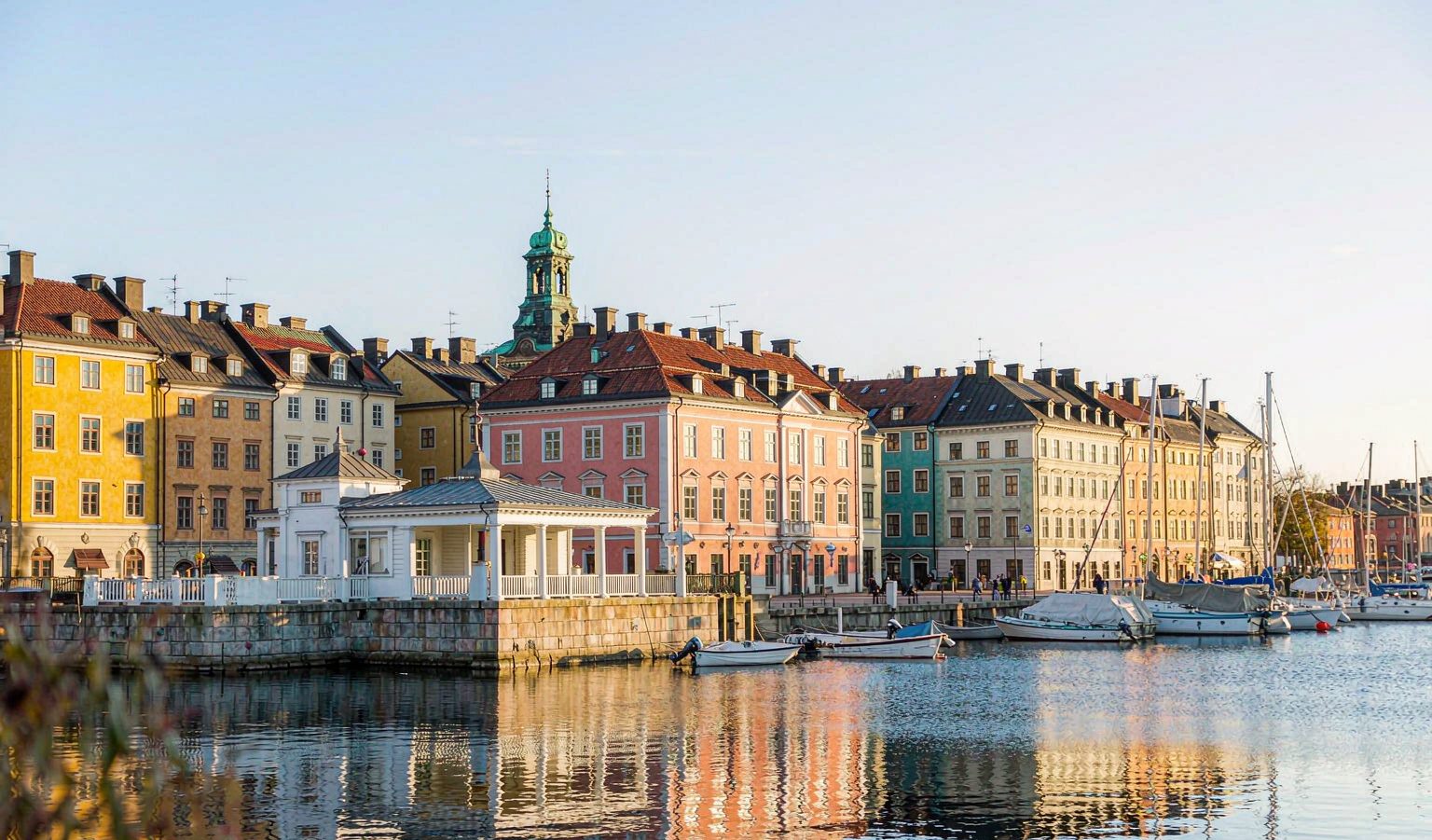
Nyhavn's candy-colored canal houses are the postcard start, best enjoyed from a bench with a pastry. Tivoli Gardens mixes rides, gardens, and concerts in the center. The Little Mermaid statue is small but iconic. Christiansborg and Amalienborg palaces show royal life. The National Museum and the gallery district cover Danish art. Stroll Strøget, one of Europe's longest pedestrian streets. A harbor bath lets you swim in the city center, weather permitting, and the Round Tower offers panoramic rooftops.
Neighborhoods to explore
Indre By is the historic core with shopping and palaces. Nørrebro is the diverse, trendy quarter of street food, parks, and vinyl shops. Vesterbro, once rough, is now full of wine bars and the old meatpacking district's restaurants. Christianshavn balances canals and the freetown of Christiania. Frederiksberg adds green gardens and a zoo. Østerbro is calm and family-friendly. Each area is a short bike ride apart, so plan days by district rather than crisscrossing the city.
Local food: what to eat & where
Find a smørrebrød open-faced sandwich shop for rye bread topped with pickled herring, egg, or roast beef. A bakery case should include flaky Danish pastries and twisted cinnamon buns. A street food hall in the old harbor offers global stalls and local brews. For comfort, a casual bodega serves platters of fried fish with remoulade. A evening wine bar pairs small plates. Lunch counters inside department stores give honest Danish food at fair prices without the tourist markup.
Where to stay
Indre By suits first-timers wanting walkable palaces and harbor access. Nørrebro and Vesterbro draw younger travelers with boutique hotels, bars, and food halls. Østerbro is quiet and good for families near the park. Christianshavn offers canalside calm within cycling distance. Budget visitors can use hostels near the central station or apartments in Frederiksberg. Book early for summer and the Christmas season, when rooms tighten. Staying slightly outside the core and biking in saves considerably.
Getting around
Copenhagen is best on two wheels, with dedicated bike lanes and easy rentals everywhere. The metro and buses are clean, frequent, and covered by one ticket zone in the center. Walking works for short hops between districts. From the airport, a train or metro reaches the city in about fifteen minutes. Avoid driving; parking is limited and cycling is faster. Water buses along the canals are a scenic, useful way to cross the harbor between neighborhoods.
Avoid these mistakes
Do not rent a car downtown; bike lanes and transit make it pointless and stressful. Avoid dining only on the busy Nyhavn strip, where prices are high for average food; walk a block inland. Do not underestimate bike traffic etiquette and ride predictably. Tourists often skip the free Changing of the Guard and pay for lesser tours. Finally, avoid visiting in deep winter without warm gear, and never assume shops open early on Sundays.