City overview & best season
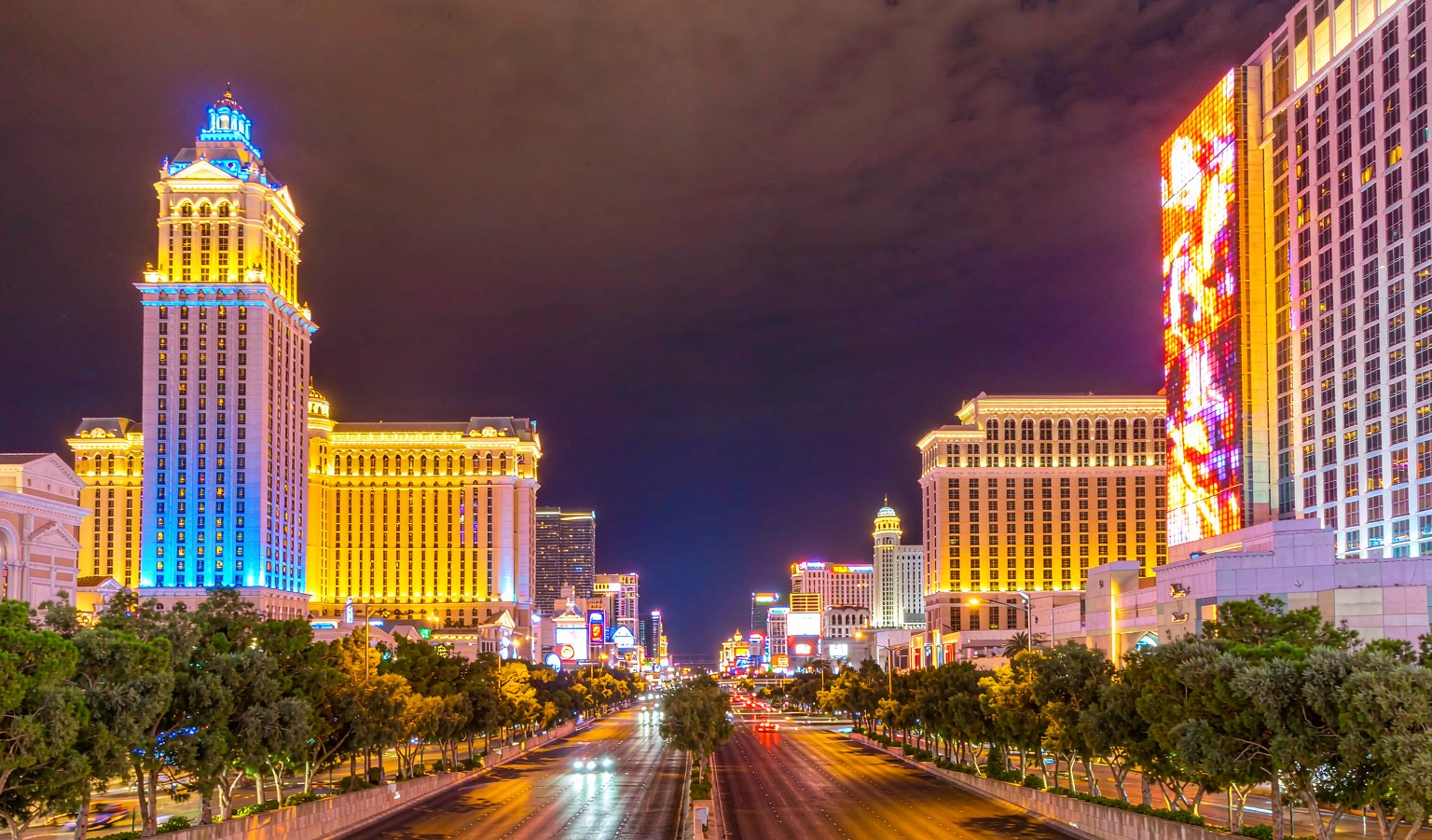
Las Vegas sits in the Mojave Desert, built around casino resorts and nonstop entertainment. Spring and autumn are best, with tolerable heat for pool days and walks. Summer is brutally hot, often over forty degrees, while winters are mild and pleasant. The Strip is the glitzy core; downtown offers vintage charm and lower prices. A three-day visit covers shows and resorts; add a day for desert excursions. Hydrate constantly, as the dry heat dehydrates fast. The city rewards planning around heat, crowds, and showtimes.
Must-see sights
The Strip's themed resorts are spectacles themselves, from fountains to a replica volcano. The Bellagio Conservatory and the Venetian canals are free to wander. Downtown's Fremont Street has a light canopy and retro casinos. A high observation deck or a Ferris wheel gives desert panoramas. The Neon Museum preserves vintage signs. Red Rock Canyon and the nearby lake offer hiking and water. A helicopter or bus trip reaches the Grand Canyon. Evening shows, from circus to concert, define the night.
Neighborhoods to explore
The Strip is the resort corridor of casinos, shopping, and shows. Downtown, especially Fremont East, is grittier, cheaper, and full of vintage character. The Arts District has galleries, murals, and weekend markets. Summerlin sits at the desert edge with trails and calm. Henderson offers suburban ease and lake access. Chinatown, west of the Strip, hides excellent Asian eateries. Each area differs hugely, so plan by purpose. Base on or near the Strip for first visits, then venture downtown and outward.
Local food: what to eat & where
Find a casino buffet for endless variety from carving stations to sushi. A downtown tavern serves a cheap shrimp cocktail and a steak. A neighborhood taco shop off the Strip offers authentic, affordable Mexican plates. An Asian food court west of the center plates noodles and barbecue. A bakery in the Arts District sells croissants and cookies. A brunch spot near downtown piles pancakes and eggs. Buffets and food courts beat Strip restaurants for value, while fine dining hides inside the resort hotels.
Where to stay
The Strip suits first-timers wanting resorts, shows, and nightlife steps away, though rooms cost more. Downtown offers vintage hotels and lower rates with a lively scene. The Arts District fits creative travelers near galleries and eats. Summerlin and Henderson give quiet, suburban stays with pools and trails. Budget visitors use motels just off the Strip or chain hotels with shuttle access. Book midweek for cheaper rates; weekends spike. Resort fees add up, so factor them into any comparison.
Getting around
The Strip is long but walkable between adjacent resorts; a monorail and buses link farther ends. Rideshares is the easiest way across the sprawl, though costs add up. The downtown area is compact on foot. From the airport, a short rideshare or shuttle reaches the Strip. Avoid renting a car unless doing desert day trips, as resort parking now often charges fees. The free tram between some resorts helps; use it to skip the heat.
Avoid these mistakes
Do not visit in midsummer without water and shade; the desert heat is dangerous. Avoid gambling more than a set budget; the house edge is real. Do not eat every meal on the Strip; downtown and off-Strip spots are far cheaper. Tourists overpay for rideshare surge near resorts; walk a block away to lower the fare. Finally, avoid missing desert day trips by staying only indoors, and always check resort fees before booking a room.