City overview & best season
New Orleans sits below sea level on the Mississippi, humid and musical, with a creole cultural blend unlike anywhere else. Spring, especially before summer, brings mild weather and festivals. Autumn is pleasant; summers are hot and storm-prone. Winter is cool and quiet. The French Quarter and Garden District define its look. Three or four days covers the core; add a swamp or plantation day trip. Expect rain and heat, so pack light clothes and a rain shell for sudden downpours.
Must-see sights
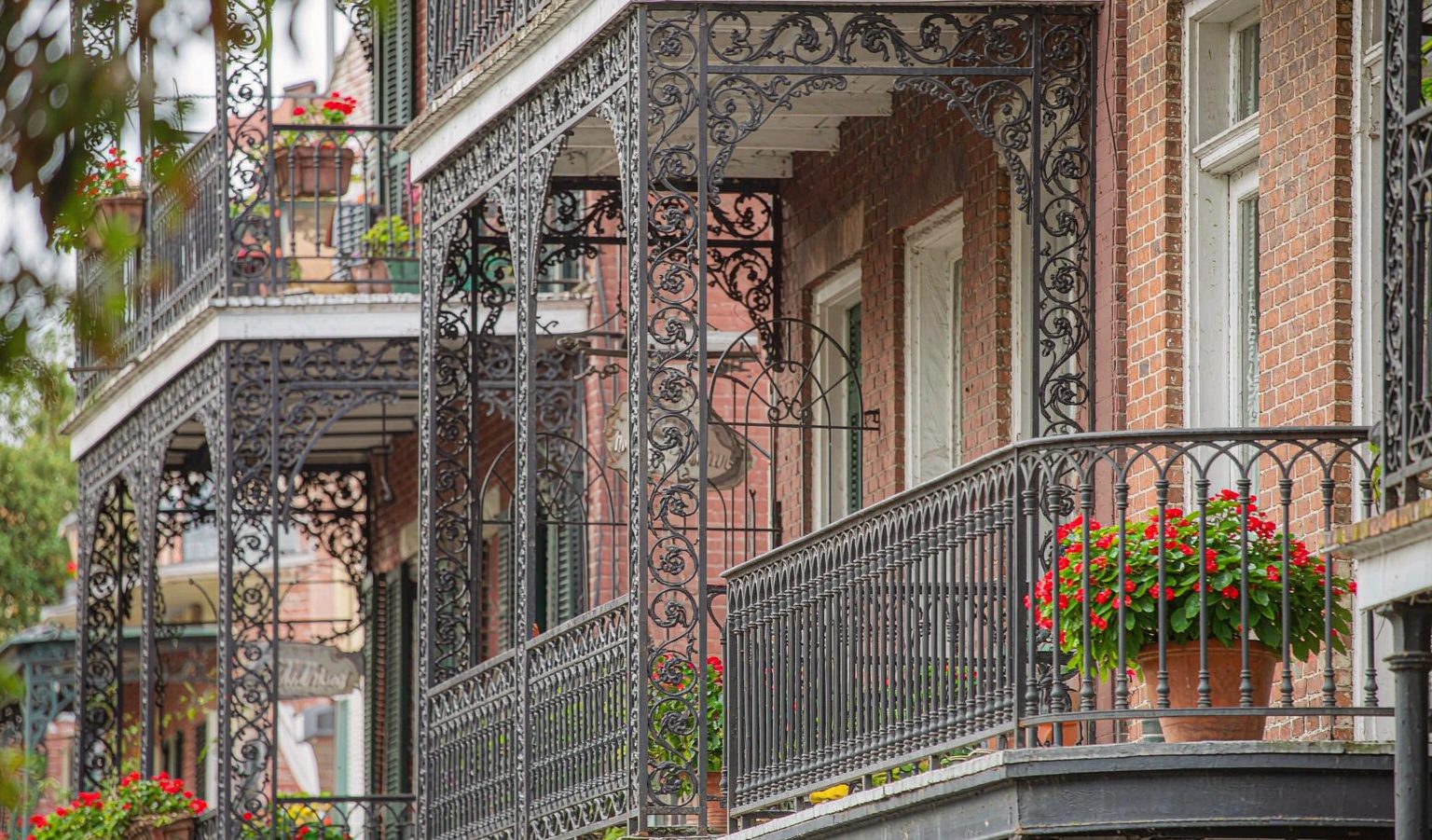
The French Quarter's Bourbon and Royal streets mix music, balconies, and history. Jackson Square and the cathedral anchor the old core. Ride a historic streetcar down St. Charles past mansions. The Garden District shows creole cottages and cemeteries above ground. A riverboat cruise on the Mississippi evokes old trade routes. Preservation Hall-style venues offer intimate jazz. The city's parks and the bayou tours reveal nature. Frenchmen Street is the honest live-music alternative to touristy Bourbon.
Neighborhoods to explore
The French Quarter is the historic, tourist heart of music and food. The Marigny and Bywater are artsy, with colorful shotguns and nightlife. The Garden District is leafy and elegant with cafes. Tremé is historic and tied to jazz roots. Uptown along St. Charles is grand and collegiate. Mid-City holds cemeteries and a famous park. Each area has a distinct feel, so explore by streetcar. Base in the Quarter or Marigny to walk to music and eats easily.
Local food: what to eat & where
Find a Creole kitchen for gumbo, a dark roux seafood stew, and jambalaya rice. A corner spot sells po'boy sandwiches stuffed with fried shrimp or oysters. A Cajun joint plates crawfish étouffée with rice. A beignet cafe serves powdered sugar fritters with chicory coffee. A market stall offers red beans and rice on Monday tradition. A neighborhood bar pairs shrimp remoulade with a cold beer. For something sweet, a shop sells pralines and bread pudding with whiskey sauce.
Where to stay
The French Quarter suits first-timers wanting music and food steps away, though it is loud at night. The Marigny and Bywater offer boutique stays with local character. The Garden District fits quieter, prettier surroundings near streetcars. Uptown is good for families near the park. Budget visitors use hostels in the Marigny or chain hotels near the convention center. Book early for Mardi Gras and spring festivals, when rooms spike. Apartments help given the city's hearty portions and costs.
Getting around
New Orleans' historic streetcars are scenic and cheap, linking the Quarter, Garden District, and Uptown. Walking covers the compact core well, though distances to Uptown are real. Rideshare fills gaps at night when buses thin out. From the airport, a shuttle or rideshare reaches the city in about twenty-five minutes. Avoid renting a car downtown; parking is limited and the streetcar is more fun. Bikes work on flat, quiet streets but watch for potholes.
Avoid these mistakes
Do not visit only Bourbon Street; Frenchmen Street and the Marigny have better, honest music. Avoid summer without water and bug spray; heat and mosquitoes are intense. Do not flash valuables in crowded tourist areas at night. Tourists overpay for staged voodoo shows; seek genuine culture instead. Finally, avoid driving during Mardi Gras parades when streets close, and do not skip the city's above-ground cemeteries, a unique and moving local tradition.