City overview & best season
Oslo sits at the head of a fjord backed by forests, so water and green space frame almost everything. Summer (June to August) brings long daylight and open-air cafes, while December through February offers snowy quiet and Christmas markets. Shoulder months of May and September are calm and cheaper. Pack layers regardless of season, as coastal weather shifts quickly. The city center is walkable, and the extensive ferry network makes nearby islands an easy half-day escape.
Must-see sights
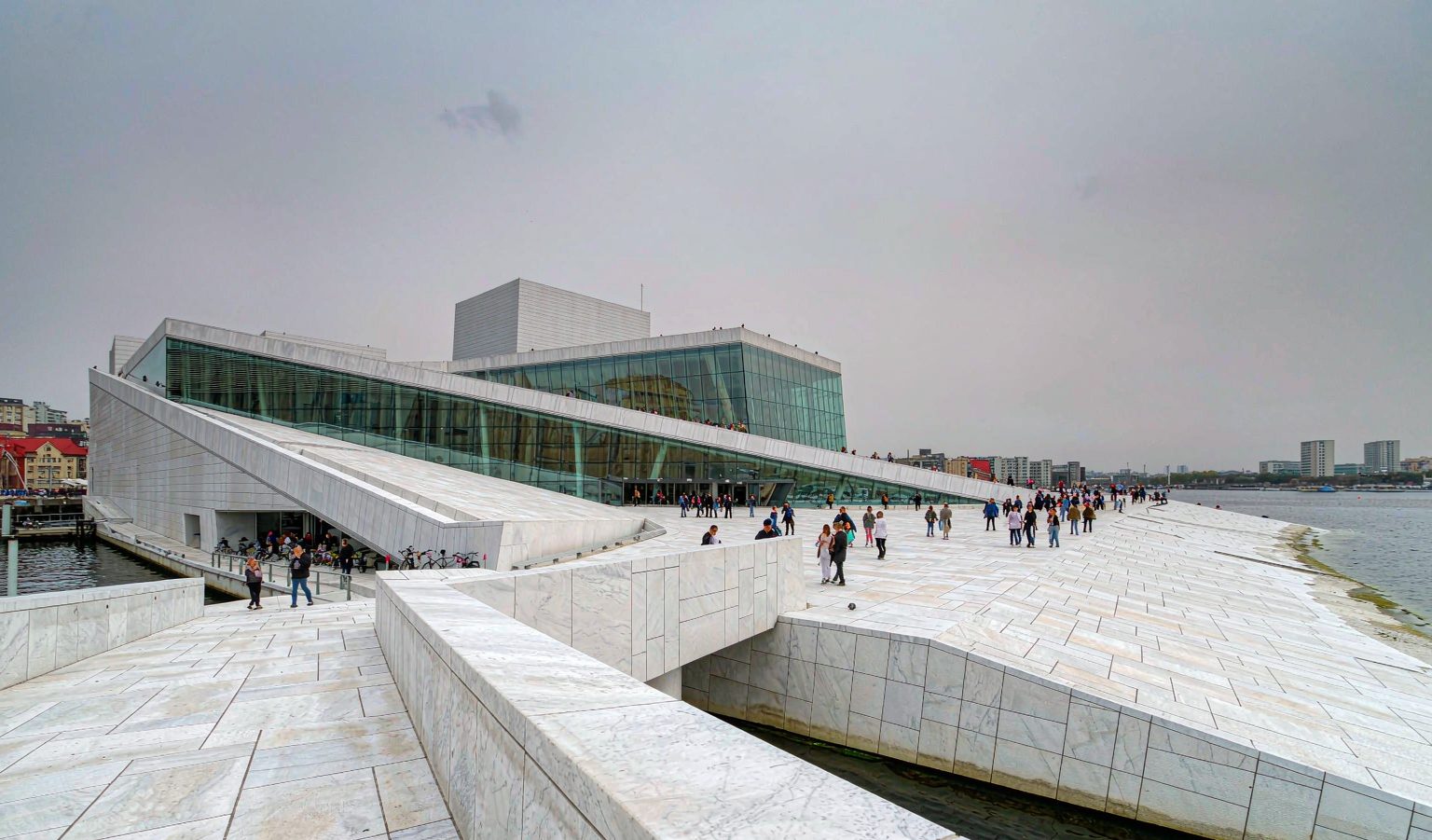
Start at the waterfront Aker Brygge and the Opera House, where you can walk up the slanted roof for harbor views. The Viking Ship Museum and the Folk Museum on Bygdøy showcase Norwegian heritage, reachable by ferry. Vigeland Park displays hundreds of sculptures across green lawns. For sweeping views, ride the Holmenkollen ski-jump funicular. The Munch collection anchors the national art scene. Budget time for the Royal Palace gardens and the Akershus Fortress ramparts overlooking the fjord.
Neighborhoods to explore
Gamle Oslo, the old east end, mixes immigrant kitchens, craft beer, and gritty charm. Grünerløkka is the hipster heart, full of brunch spots, parks, and canal-side strolls. Frogner leans elegant and residential near the galleries. Aker Brygge and Tjuvholmen are polished, waterfront, and great for evening walks. The Sentrum core holds the main shopping streets. For a local feel, ride the metro to Majorstuen or visit the Mathallen food hall in Vulkan.
Local food: what to eat & where
Try king crab, fresh cod, and cured salmon at a waterfront seafood shack or a casual fish counter. Look for a neighborhood bakery selling cardamom buns and cinnamon knots with coffee. A traditional lunch spot serves smørbrød, open-faced rye sandwiches piled with shrimp or cured meat. For something hearty, find a waffle stand with brown-cheese topping. A year-round food hall is the best place to graze across multiple Nordic stalls without committing to one restaurant.
Where to stay
Sentrum suits first-timers who want walkable sights and the central station nearby. Grünerløkka is ideal for younger travelers and nightlife, with small boutique hotels and apartment rentals. Aker Brygge favors those wanting water views and upscale dining within steps. Frogner offers quiet, leafy streets for families. Budget visitors should consider hostels near the east side or rooms around Majorstuen near the metro. Book early in summer, when rooms fill and prices climb.
Getting around
Oslo's metro, trams, buses, and ferries share one ticket system, so a single pass covers almost everything. Buy a rechargeable travel card or use the transit app to avoid paper fuss. The center is compact enough to walk, and rental bikes work well in summer. Ferries to Bygdøy and the islands are scenic and practical. From the airport, the express train reaches the center in about twenty minutes, far faster than a taxi.
Avoid these mistakes
Do not assume Oslo is cheap; eating out and taxis add up fast, so mix grocery lunches with one nice meal. Avoid renting a car for the center, where parking is scarce and pricey. Do not skip the weather forecast and arrive without a rain shell. Tourists often miss the ferries, which are the cheapest sightseeing in town. Finally, avoid only visiting in deep winter darkness without planning indoor museums to balance short days.