City overview & best season
Reykjavik is the world's northernmost capital, small enough to cross on foot yet packed with culture. Winter (September to March) is prime for the aurora, with long dark nights and snow-dusted scenery, though days are short. Summer brings the midnight sun and accessible highlands. Spring and autumn balance light and fewer crowds. Dress in windproof layers year-round, as weather swings hourly. Use the city as a base for day trips to geothermal valleys, waterfalls, and black-sand coasts, then return for cozy cafes.
Must-see sights
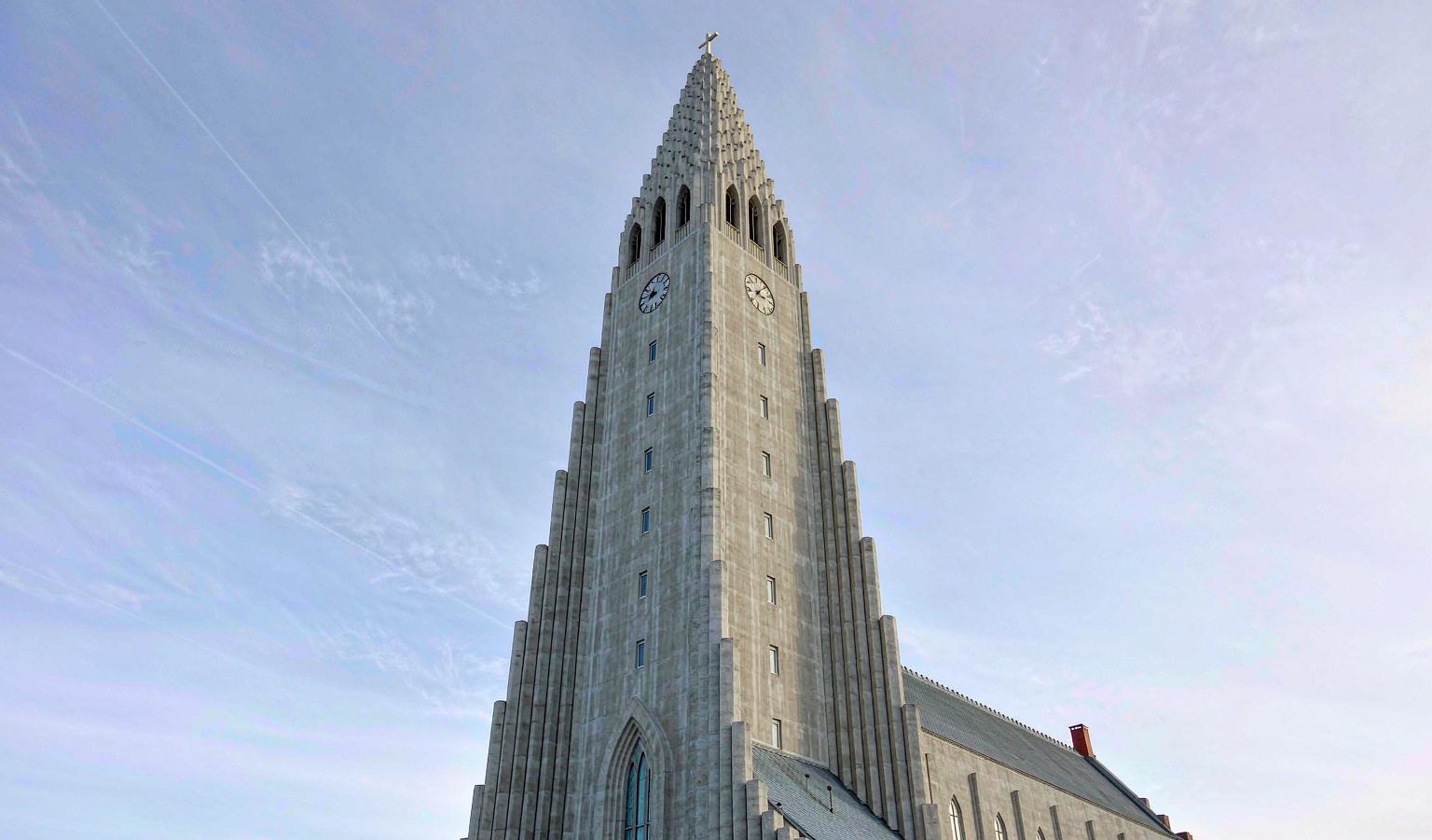
Hallgrímskirkja church towers over the city with sweeping views from its top. The harbor Old Harbour has museums and whale-watching boats. The National Museum traces Viking settlement, and the sculpture beach at Sólfar is a favorite photo stop. Perlan wraps a glacier exhibit and observation deck in a glass dome. Street art and colorful corrugated houses define the lanes. Outside town, the Golden Circle and Blue Lagoon-style geothermal spas are essential. Join an evening northern-lights tour when skies are clear.
Neighborhoods to explore
The 101 postal code is the compact downtown of bars, cafes, and shops. The Old Harbour mixes maritime history with food stalls and tour operators. Laugardalur, the geothermal valley, has pools and a botanical garden east of center. Vesturbær is residential with a beloved local pool. Grandi is a repurposed waterfront of warehouses turned eateries. Most visitors stay central and walk, but the bus reaches farther districts. Reykjavik's scale means you can sample several areas in a single relaxed afternoon stroll.
Local food: what to eat & where
Try a lamb soup or a plokkfiskur fish stew at a casual bistro after a cold day. A bakery sells kleinur twists and sticky cinnamon buns with coffee. Find a hot-dog stand for the iconic lamb-and-pork sausage with crispy onions and remoulade. A seafood counter offers fresh cod, arctic char, and scallops. For something adventurous, a tasting spot serves smoked puffin or fermented shark with a shot. A year-round market hall gathers local producers under one roof for easy grazing.
Where to stay
Downtown 101 suits first-timers who want bars, restaurants, and sights within steps. The Old Harbour area is great for tour departures and waterfront rooms. Laugardalur fits families wanting pools and quiet. Grandi offers trendy, converted-warehouse stays near food halls. Budget travelers use hostels near the bus terminal or guesthouses a short walk out. Book far ahead in winter aurora season and summer, when the city fills. Apartments help if you plan to cook given restaurant prices.
Getting around
Reykjavik's center is walkable, but a public bus network covers farther districts and the campsites. Many visitors rent a car for day trips to waterfalls and geothermal fields, which is practical given sparse rural transit. The airport bus connects the city to Keflavík reliably. In winter, check road conditions before driving and rent a fitted vehicle. Taxis are pricey; walking or the bus suffices downtown. Guided minibus tours are a smart, safe choice for aurora and glacier excursions.
Avoid these mistakes
Do not expect the aurora on command; it needs clear, dark skies, so book several winter nights rather than one. Avoid eating every meal at tourist-center restaurants, where prices are steep. Do not drive unfamiliar mountain roads in winter without preparation. Tourists often skip the local geothermal pools, missing cheap, authentic relaxation. Finally, avoid assuming shops open on Sundays and carry cash backup, since some remote tours prefer cards but rural spots may not.