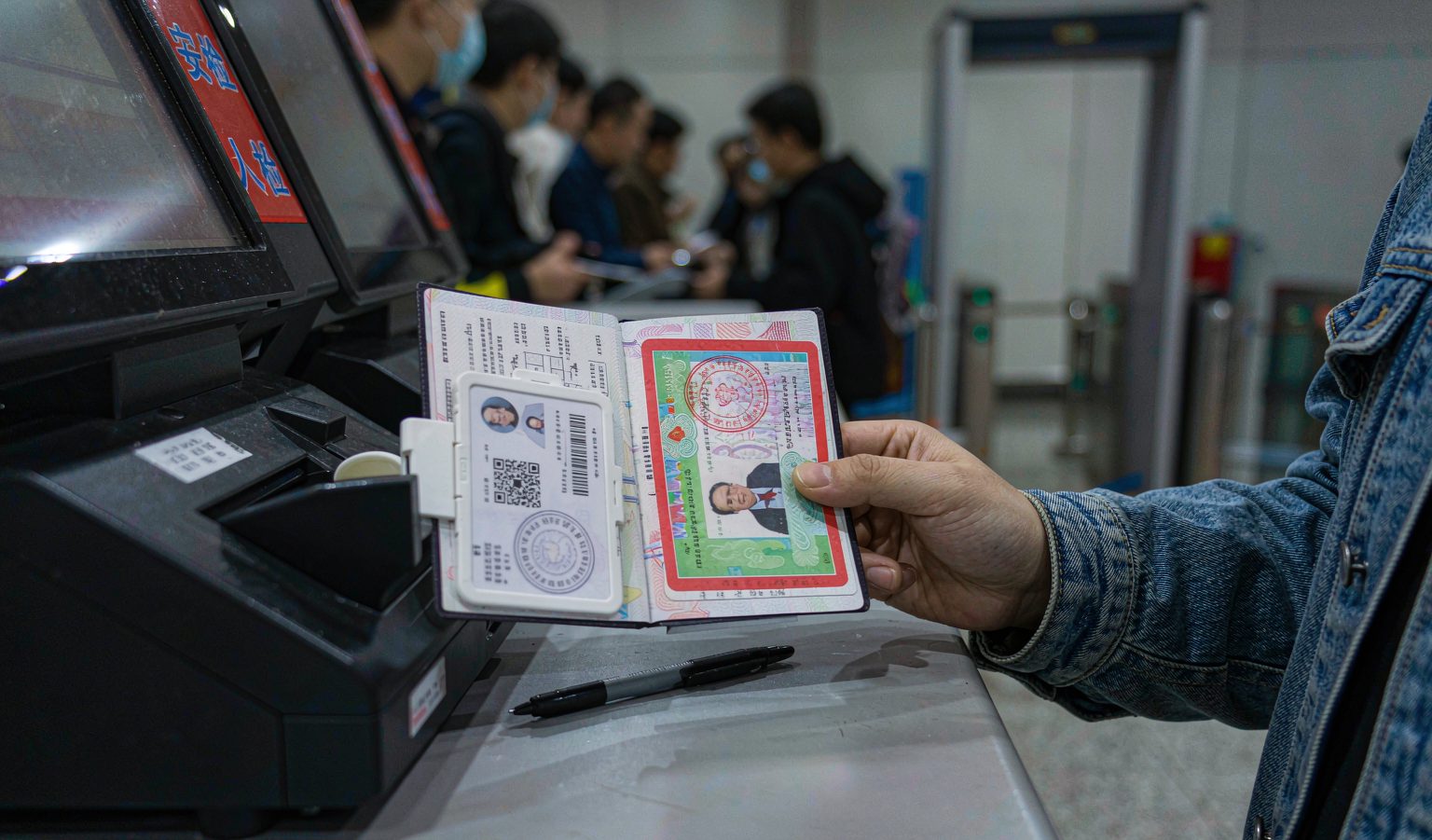
Who needs it
Most visitors from outside Europe must obtain a Schengen visa before entering the 27-country area. Citizens of the United States, Canada, Australia, and many other nations can travel visa-free for short stays of up to 90 days. Check the official list for your nationality early, because rules change. If your passport allows visa-free entry, you still need a valid passport with at least three months' remaining validity beyond your departure date.
What to prepare
Start your application at least four to six weeks before departure. You will need a completed application form, a recent passport photo, proof of accommodation such as hotel bookings, a round-trip flight reservation, and a detailed day-by-day itinerary. Bank statements from the last three months show you can fund the trip. Apply through the consulate of the country where you will spend the most time, or your first point of entry if stays are equal.
Insurance requirement
Schengen visa applicants must hold travel medical insurance with a minimum coverage of 30,000 euros for emergency treatment and repatriation. The policy must be valid across all member states and cover the entire duration of your stay, plus a buffer of a few extra days. Purchase from a recognized provider and carry both a printed copy and a digital version. Many applicants are refused simply because their certificate does not meet the mandatory coverage threshold.
Common mistakes
The most frequent errors include applying too late, submitting mismatched travel dates, and booking hotels that are later cancelled. Consulates also reject blurry passport photos and bank statements that look edited or incomplete. Never present a forged invitation letter, as this leads to an immediate ban. Double-check that your itinerary, insurance dates, and flight reservations all align perfectly before submitting your file at the appointment.