Choosing connectivity
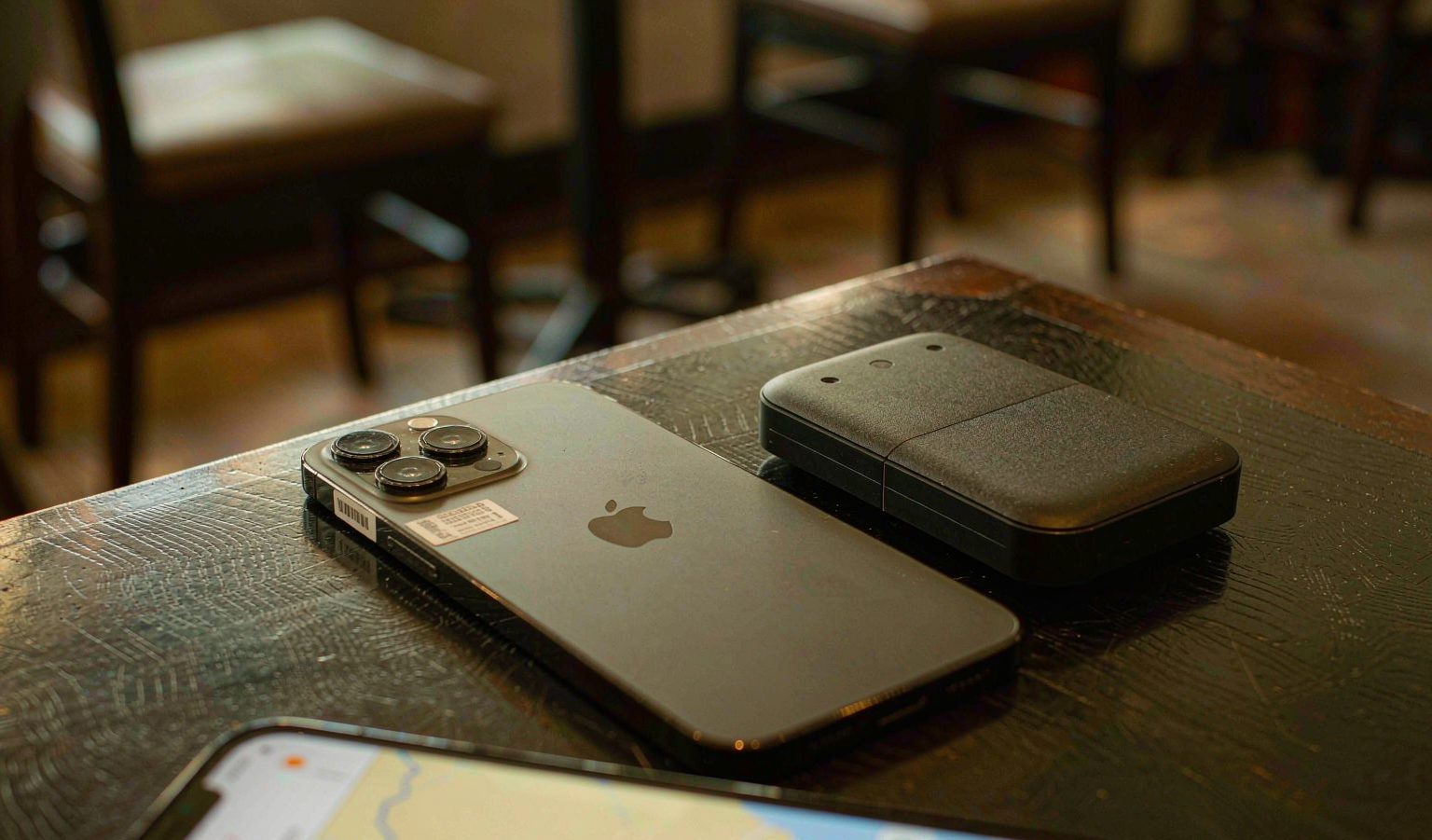
Most travelers need data for maps, translation, and booking apps, so plan connectivity before you fly. Options include a local SIM, an eSIM installed before departure, a roaming plan from your home provider, or a pocket WiFi device. eSIMs are fastest because they activate instantly on arrival with no shop visit. Compare total trip data needs against cost, because heavy map and video use drains allowance quickly and may push you toward an unlimited option.
Buying a local SIM
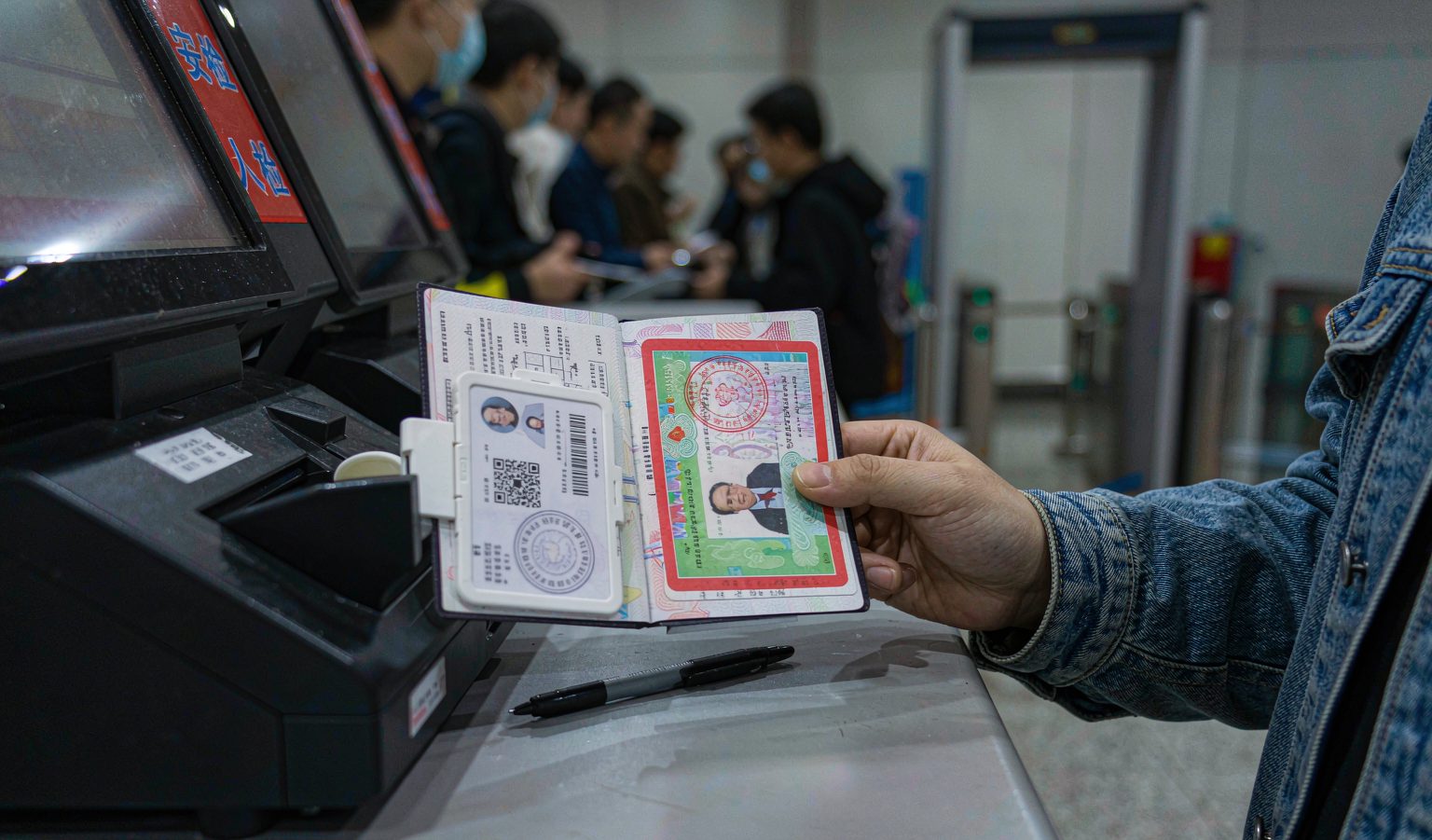
On arrival, visit a carrier shop at the airport or in the city center with your passport for identification. Staff can install the card and configure settings, though many phones now support eSIM profiles bought online. Avoid street vendors selling unregistered cards that may not work outside the region. Check that your phone is unlocked before departure, since a locked device cannot accept a foreign SIM. Prepaid plans with generous data are usually the best value for a short visit.
Using public WiFi
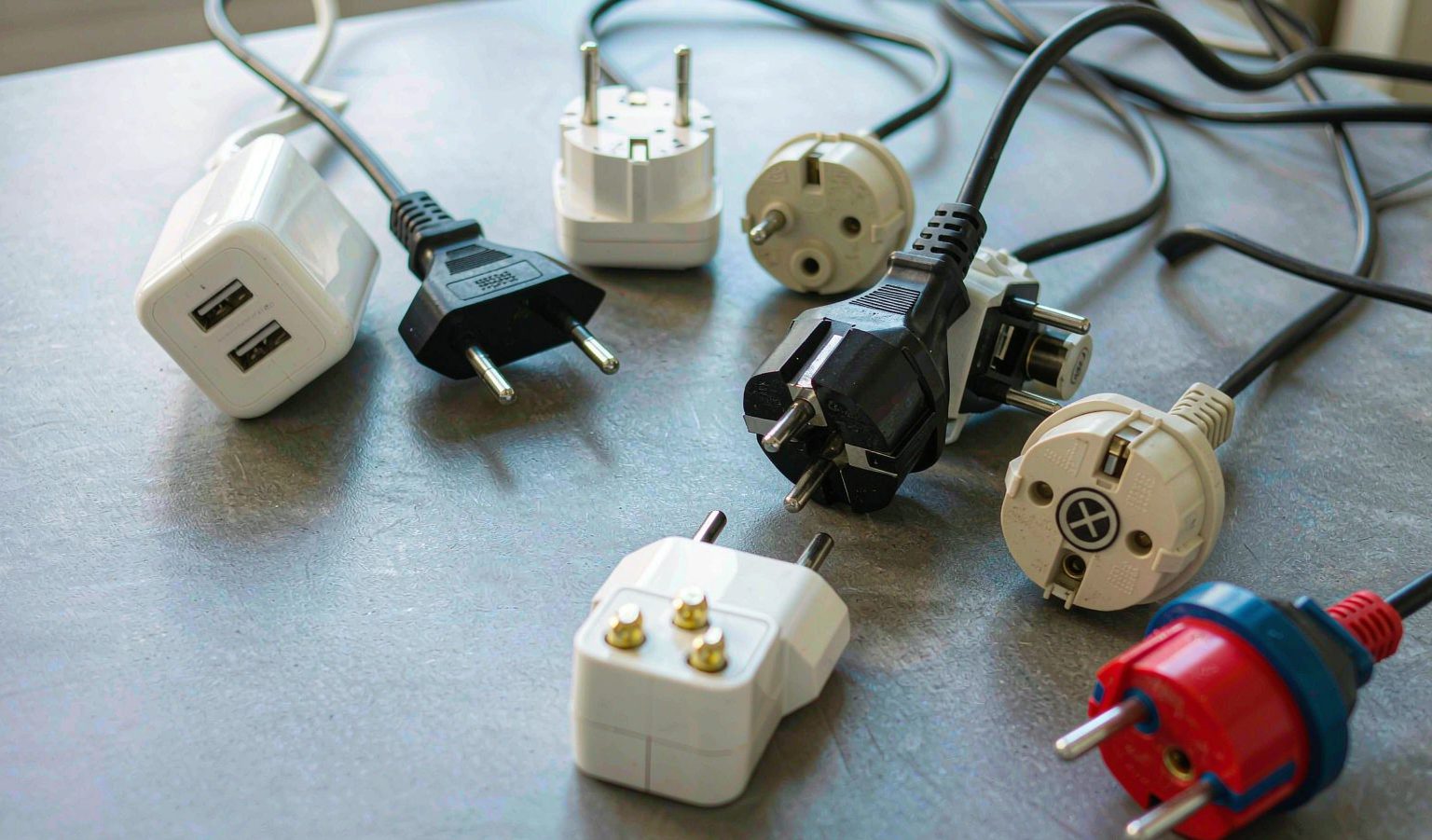
Free public networks exist in stations, cafes, and squares, but they are often unencrypted and risky for banking. Use a virtual private network app to shield your activity on any open connection. Download offline maps before you rely on them, because signal drops in tunnels and remote areas. Keep your phone's automatic updates off while roaming to avoid surprise data charges. A fully charged power bank ensures you stay reachable when outlets are unavailable during a long travel day.
Managing data use
Travelers often burn through data by streaming video or leaving cloud backups running in the background. Switch apps to offline or low-data mode and disable automatic photo uploads before your trip. Monitor usage in phone settings so you are not cut off mid-journey. Remember that a pocket WiFi unit needs charging and a backup battery to last a full day of sightseeing. Buying too small a plan forces costly top-ups, so estimate generously when choosing your allowance at purchase.