City overview & best season
Bordeaux enjoys an oceanic climate with mild winters and warm summers, best visited from May to October. The city center is a UNESCO site of 18th-century elegance along the Garonne. Wine defines the region, but the capital itself has revived beautifully with tram lines, pedestrian quays, and water mirrors. Allow two to three days. The surrounding vineyards—Médoc, Saint-Émilion—are easy day trips. Spring and autumn balance good weather with lighter crowds and open cellars.
Must-see sights
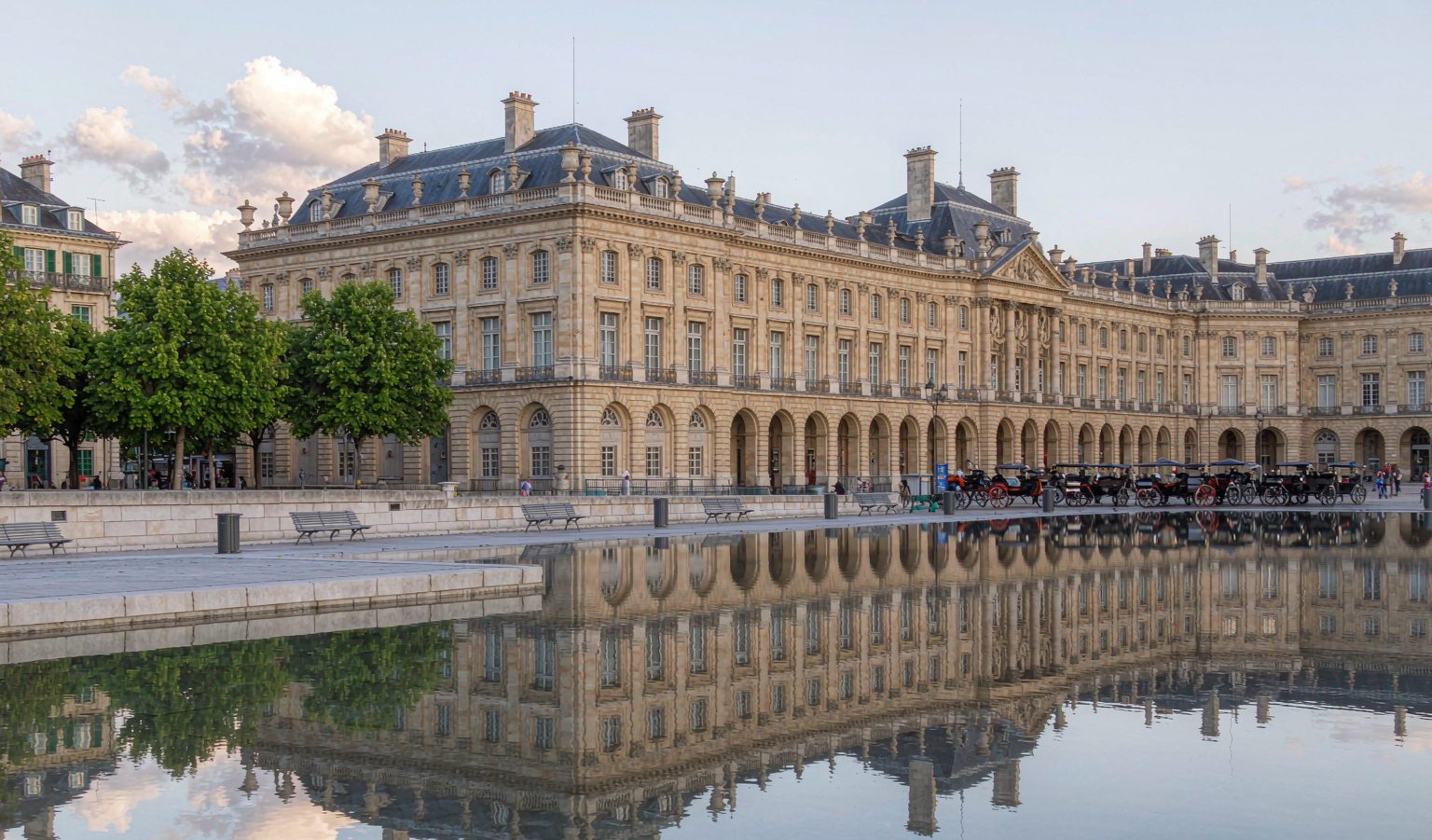
Place de la Bourse and its reflecting Miroir d'Eau are the iconic photo spot. La Cité du Vin is an interactive wine museum worth a half day. The Gothic Saint-André cathedral and nearby Pey-Berland tower offer climbs and views. The Musée d'Aquitaine covers regional history. Stroll the pedestrian rue Sainte-Catherine for shopping. Across the river, the Darwin eco-complex draws a young crowd. Book La Cité du Vin tickets online to skip the entrance line in summer.
Neighborhoods to explore
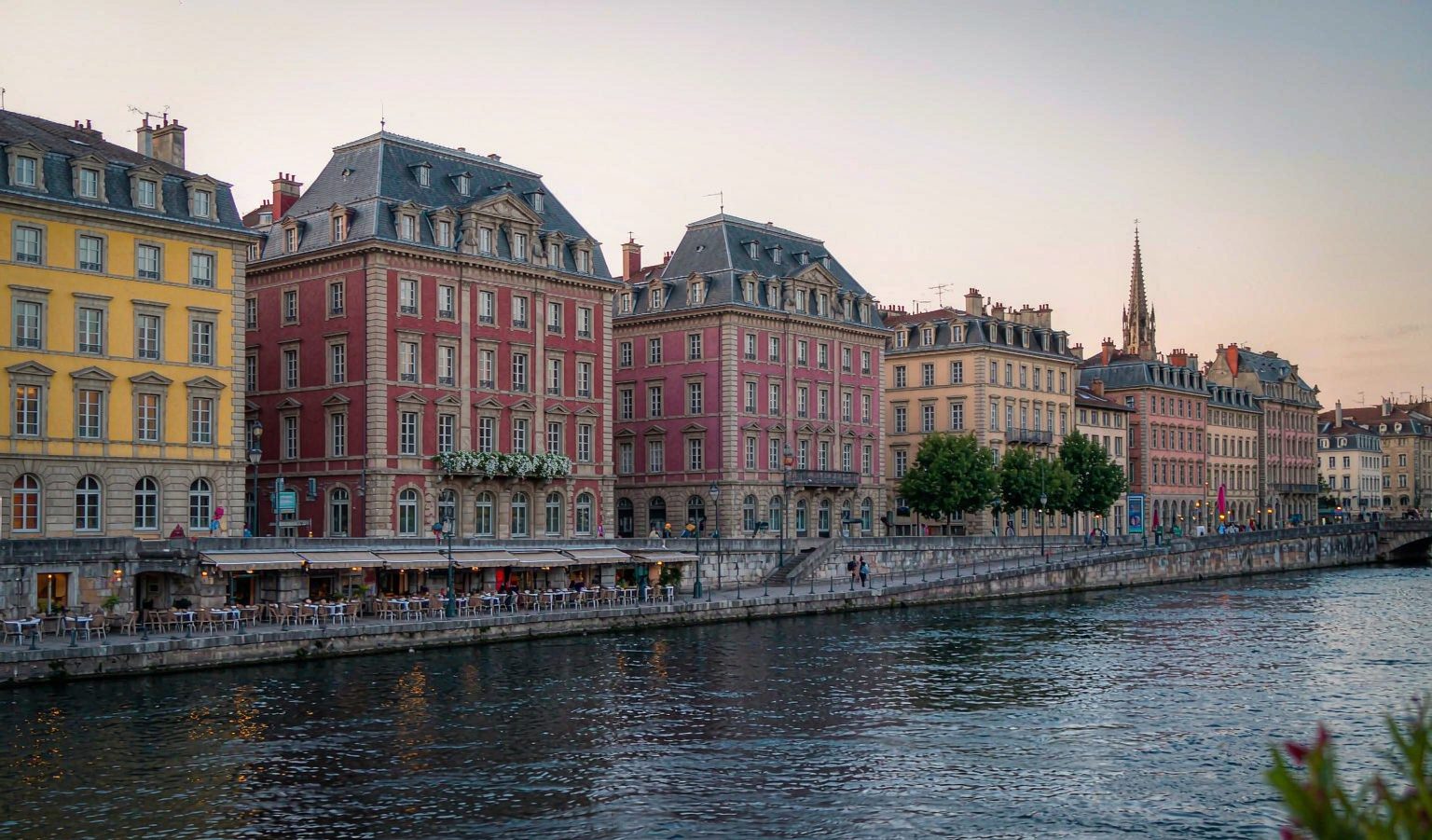
The Chartrons district mixes wine merchants' mansions, antique shops, and brunch cafés along the quay. Saint-Pierre and Saint-Paul form the historic heart with stone squares and bars. The Capucins market area is lively and local. Bacalan by the wine museum feels creative and modern. The right bank's Bastide has parks and calmer streets. Each area is walkable or a short tram ride. Stay near the center to reach sights without long commutes across the Garonne.
Local food: what to eat & where
Try entrecôte bordelaise with a red-wine sauce and cèpe mushrooms in autumn at a neighborhood brasserie. Oysters from the nearby Arcachon basin appear at the market hall and seafood counters. A bakery sells canelés, the city's caramelized rum cakes, fresh daily. Duck confit and foie gras feature on many menus. Wine bars pour local Margaux and Pomerol by the glass. Picnic with bread, cheese, and grapes from the covered market for a riverside lunch.
Where to stay
The city center around Place Gambetta and the Chartrons offers elegant, walkable bases with cafés and trams. Saint-Pierre suits visitors wanting historic squares and nightlife steps away. The Chartrons appeals to foodies and families after a quieter quay. Bacalan works for modern stays near the wine museum. Avoid distant suburbs for short trips. Choose lodging within a short walk of a tram line—the network is efficient and keeps you off busy roads and far-flung parking.
Getting around
Bordeaux's tram network—three lines—is clean and covers the center well; buy tickets or passes at stops. The city is flat and very walkable, especially along the pedestrian quays. V3 bike-share works for confident riders. Buses fill gaps the tram misses. River shuttles cross to the right bank in season. Driving is unnecessary downtown and parking is limited; use park-and-ride lots on the edge. Keep tram tickets until the end of the ride for inspections.
Avoid these mistakes
Don't rent a car to explore the city—trams and walking suffice, and parking is scarce. Avoid visiting vineyards without appointments; many châteaux require bookings. Don't skip the right bank, which has parks and views. Beware summer heat with little shade on the quays—carry water. Don't assume all canelés taste the same; seek fresh-baked. Watch for tram doors closing quickly. Avoid the Miroir d'Eau when it is drained for cleaning, usually on mornings.