City overview & best season
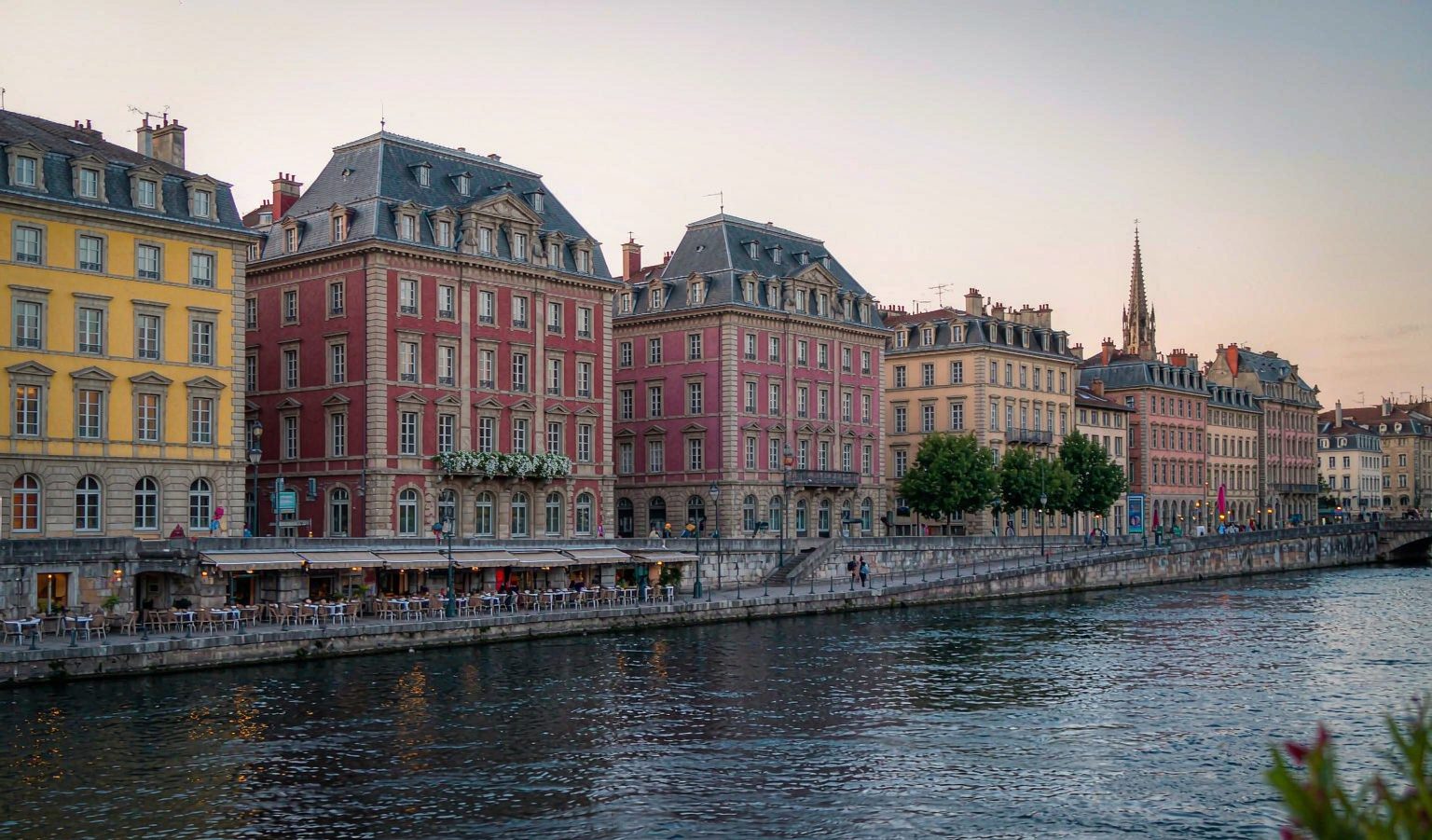
Paris shines in late spring (May–June) and early autumn (September), when crowds thin and light is soft. Winters are cold but festive with holiday markets. Summer brings long days yet heavy tourist numbers at major sites. Base yourself near the river for walkable days. The city rewards slow wandering more than checklist rushing—allow time for cafés, galleries, and riverside strolls along the Seine. Shoulder seasons offer the best balance of price, weather, and availability.
Must-see sights
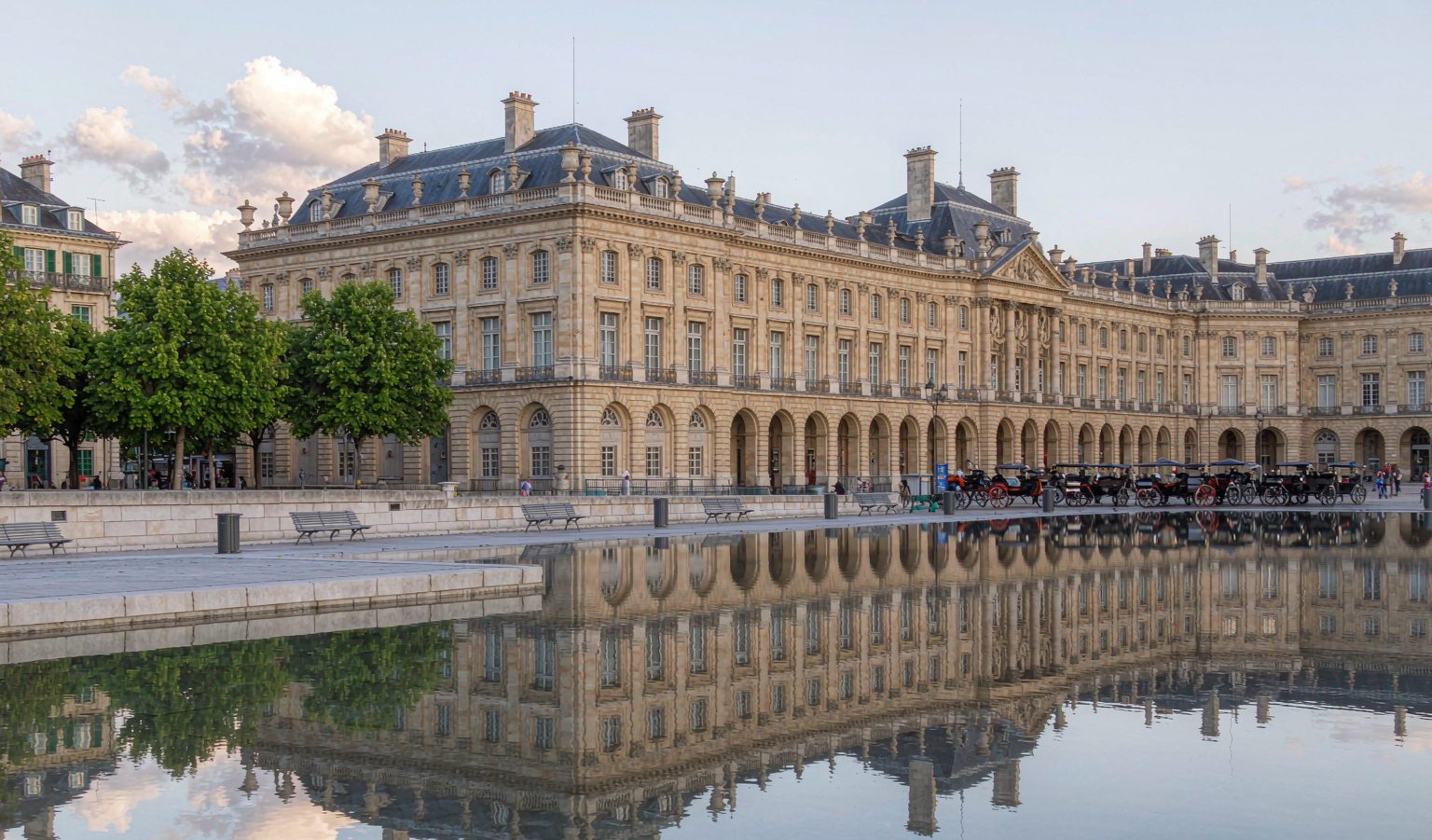
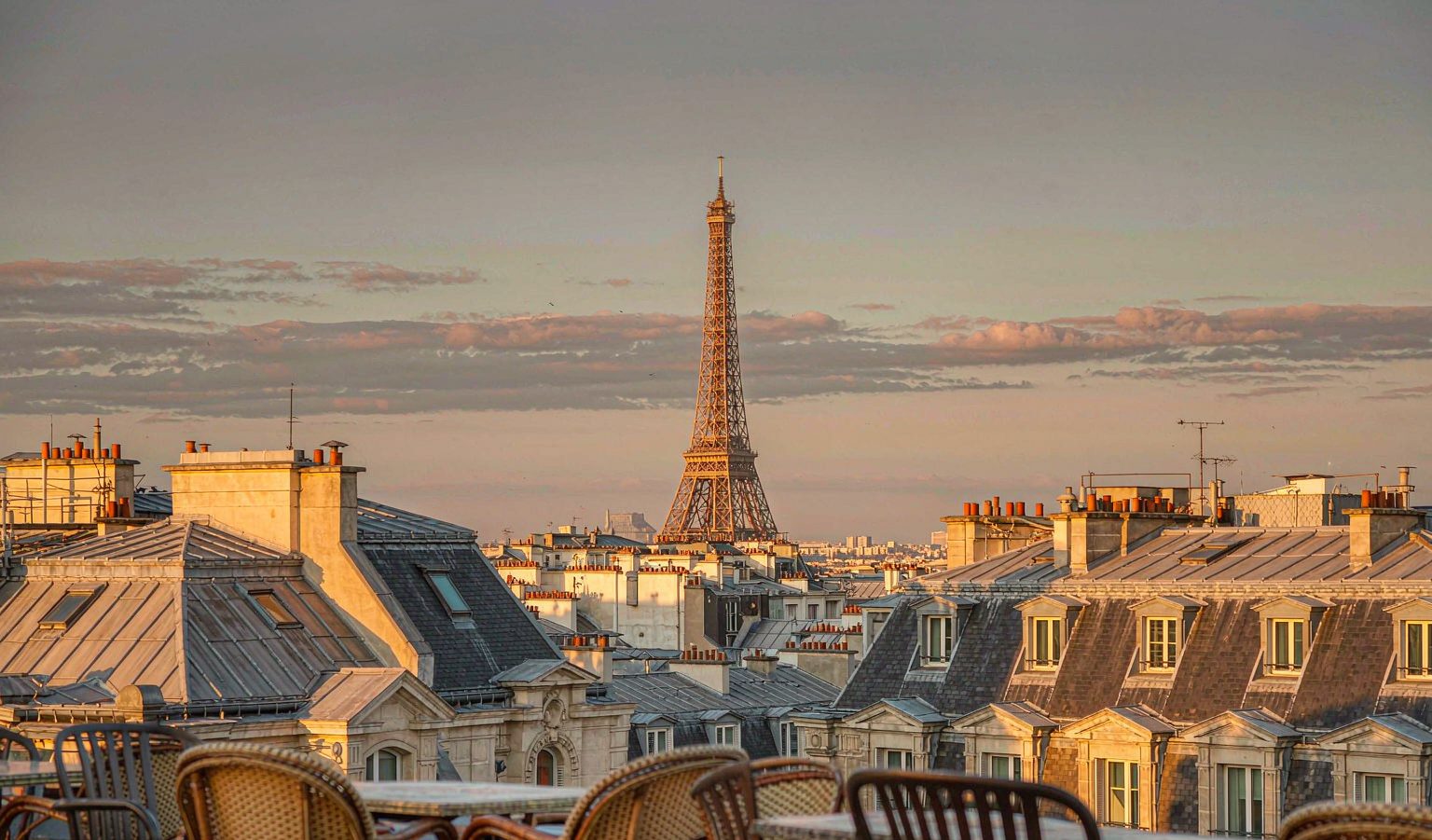
The Eiffel Tower, Notre-Dame's exterior, the Louvoire, and Musée d'Orsay anchor most trips, but book timed entries to skip lines. Sacré-Cœur crowns Montmartre with wide city views. Stroll the Champs-Élysées toward the Arc de Triomphe, then wander the Latin Quarter's lanes. The Centre Pompidou draws modern-art fans. Arrive early at popular museums and reserve ahead for the Louvre. Free entry to national museums is offered on the first Sunday of certain months.
Neighborhoods to explore
Le Marais blends historic mansions, gay-friendly bars, and boutique shopping around Place des Vosges. The Latin Quarter feels studenty with bookshops and lively cafés. Montmartre retains village charm uphill from the city. Saint-Germain-des-Prés is elegant for literary cafés and galleries. Canal Saint-Martin draws a younger crowd with picnics along the water. Belleville offers multicultural eats and street art. Each arrondissement has its own rhythm, so explore on foot.
Local food: what to eat & where
Try buttery croissants and pain au chocolat from a neighborhood bakery, and a jambon-beurre sandwich from a café for lunch. Savory crêpes and galettes appear at casual crêperies, while brasseries serve steak frites and onion soup. At a market hall, sample cheese, charcuterie, and fresh fruit. Wine bars pour regional bottles by the glass. End with a macaron or éclair from a pâtisserie. Picnic supplies—baguette, cheese, wine—are easy to gather for a Seine-side meal.
Where to stay
The Le Marais and Latin Quarter put you amid cafés and metro lines, ideal for first-timers. Saint-Germain-des-Prés suits travelers wanting elegance and walkable museums. The 1st and 7th arrondissements are central but pricier; the 11th and 12th offer better value with local life. Families may prefer the 15th or 16th for calmer streets. Stay near a métro station. Avoid far-flung suburbs unless your budget demands it, as commutes eat into sightseeing time.
Getting around
The métro and RER trains cover the city and suburbs efficiently; buy a rechargeable Navigo Easy card or single tickets. Walking is often fastest between central sights. Vélib bike-share works for confident riders along designated lanes. Buses give scenic above-ground routes. Taxis and ride apps help late at night. Avoid driving—narrow streets, limited parking, and congestion charges frustrate visitors. Validate tickets and watch for fare inspectors on board.
Avoid these mistakes
Don't eat at sidewalk cafés steps from the major monuments—prices rise and quality drops. Ignore street vendors selling trinkets near the Eiffel Tower and beware petition scams targeting tourists. Avoid visiting the Louvre only on free Sundays when it is packed. Don't ride unlicensed taxi offers at the airport; use official ranks. Skip peak summer if you hate crowds. Learn a few French pleasantries; rudeness to staff rarely helps. Watch pickpockets on crowded métro lines.