City overview & best season
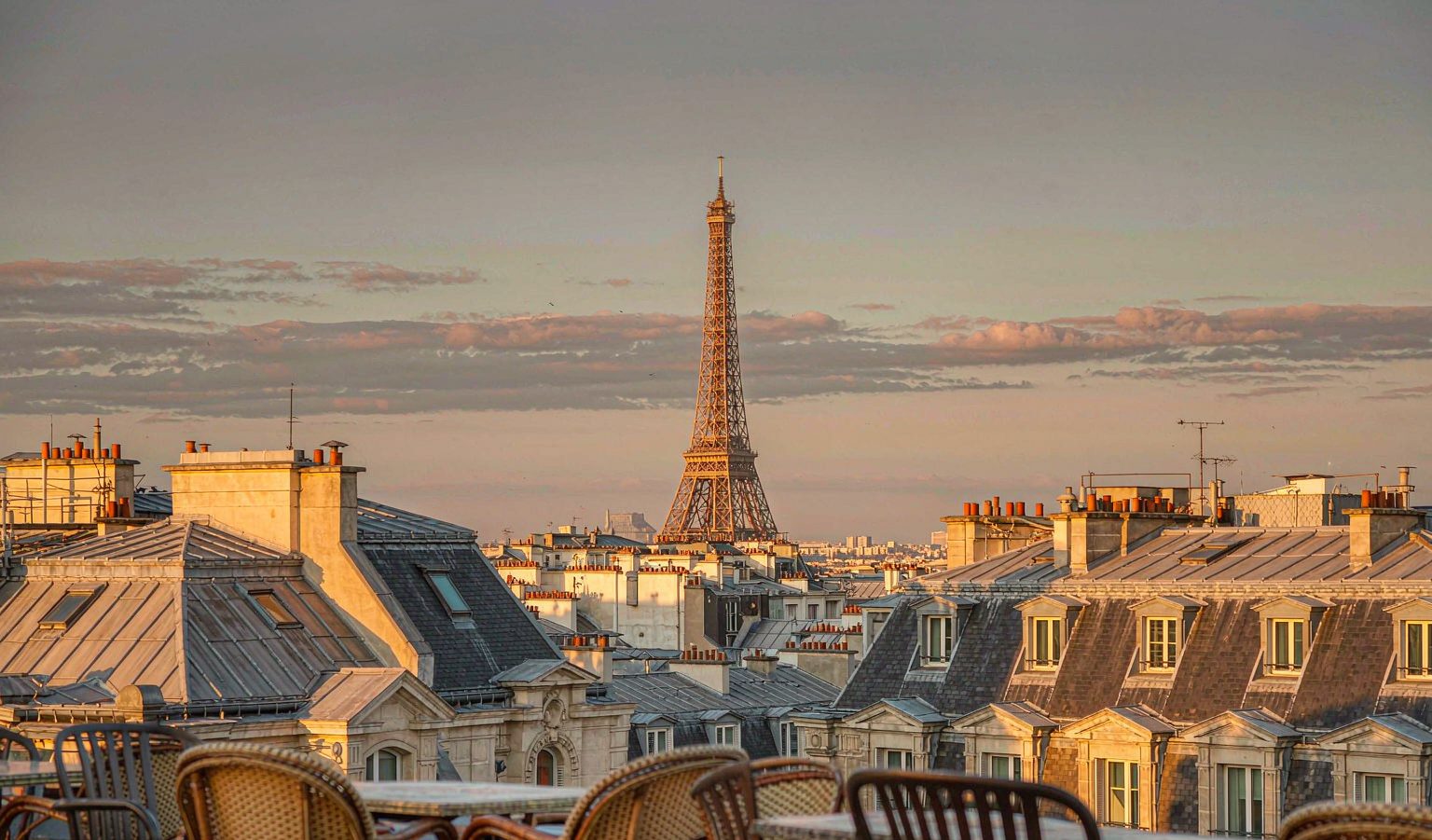
Lyon sits where the Rhône and Saône rivers meet, with a temperate climate best in spring and early autumn. Summers can be warm; winters are grey but mild. The city is France's gastronomy capital, layered with Roman ruins, Renaissance architecture, and hidden passageways called traboules. Allow three days to enjoy both banks. The Festival of Lights in December is spectacular but crowded. Public spaces are walkable, and the hills of Fourvière offer sweeping views over the rooftops.
Must-see sights
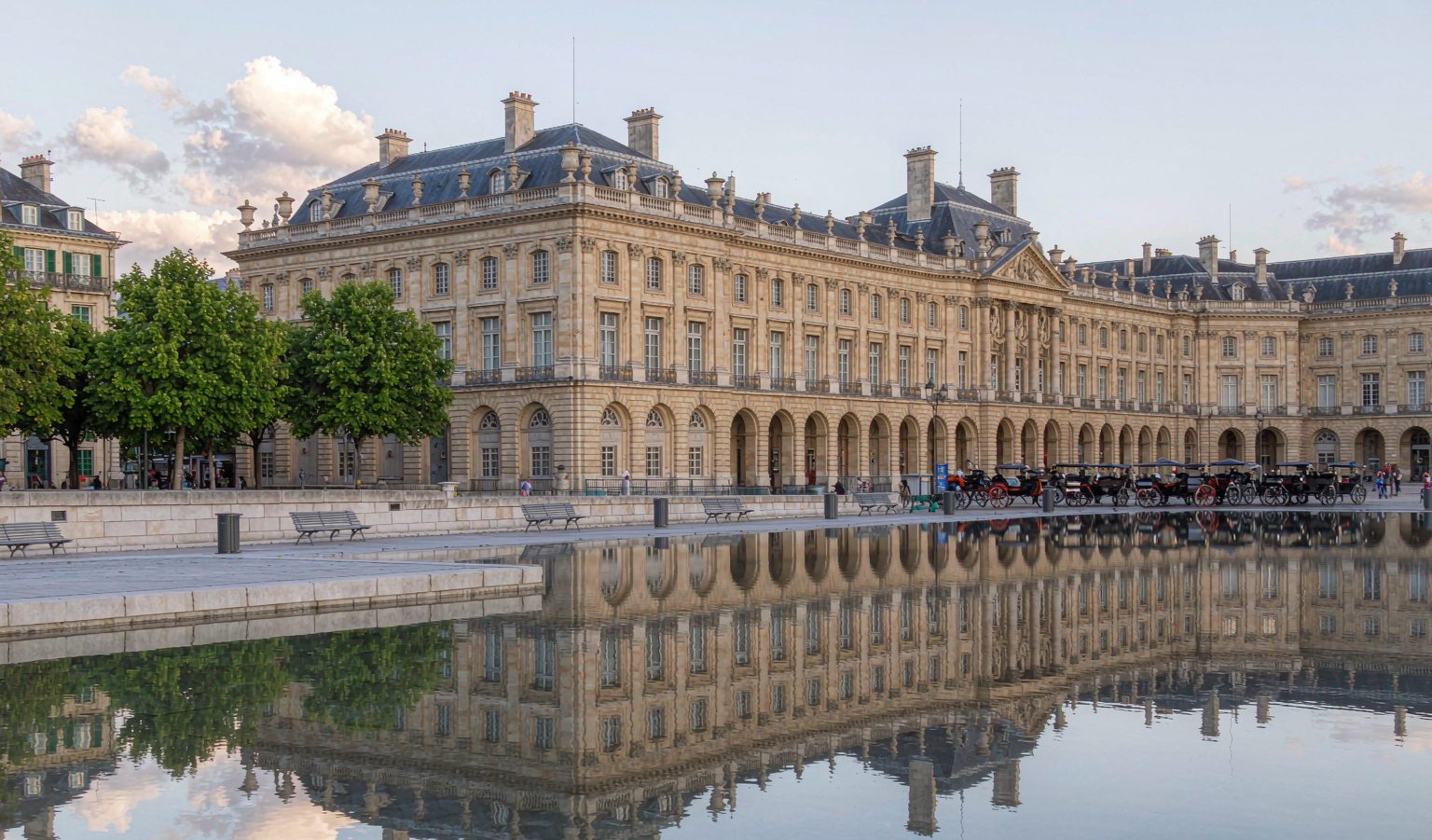
Basilique Notre-Dame de Fourvière tops the hill with panoramic terraces. Vieux Lyon's Renaissance buildings and secret traboules are walkable and atmospheric. The Roman amphitheatre at Fourvière holds summer performances. Place Bellecour is Europe's largest pedestrian square. The Musée des Confluences explores science and culture in a striking building. Food lovers should tour the indoor market hall. Book museum entries ahead in summer, and ride the funicular to Fourvière to avoid the steep climb on foot.
Neighborhoods to explore
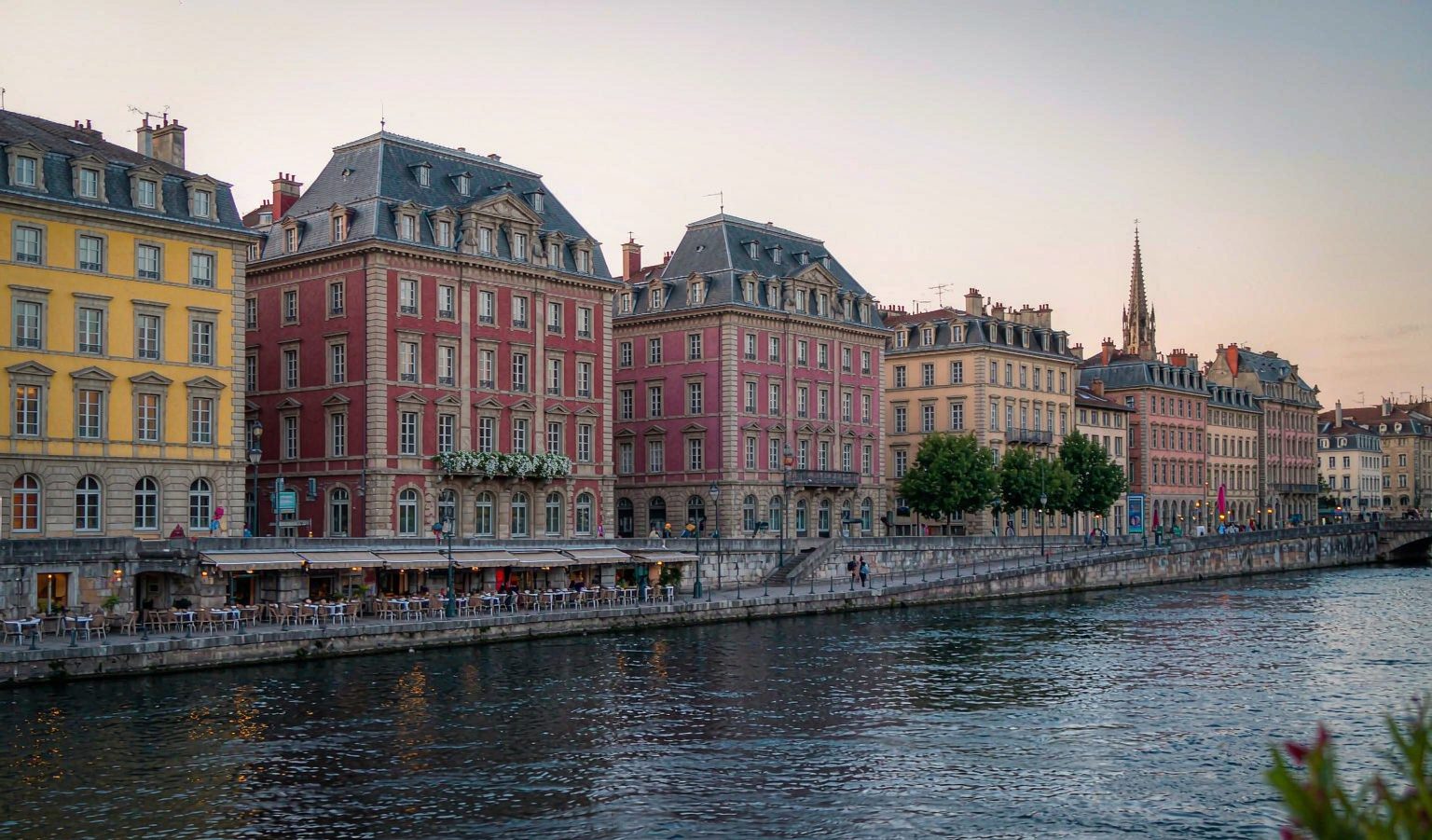
Vieux Lyon charms with cobbled lanes, traboules, and riverside dining. The Presqu'île between the two rivers holds department stores, cafés, and the Opera. Croix-Rousse was a silk-weavers' hill with murals and a bohemian feel. The Part-Dieu district centers on the main station and shopping. Confluences mixes modern architecture at the rivers' meeting point. Each quarter rewards slow walking. Stay central to reach sights by foot or short metro ride rather than long suburban commutes.
Local food: what to eat & where
Lyon invented dishes like quenelles de brochet (pike dumplings), salad lyonnaise, and hearty beef bourguignon, best at a traditional bouchon. Sample andouillette and coq au vin too. A bakery sells brioche, praline tart, and fresh bread daily. The indoor market hall offers cheese, charcuterie, and oysters by the piece. Wine bars pour Beaujolais and Côtes du Rhône by the glass. Finish with a praline-filled sweet or a café crème at a corner café.
Where to stay
The Presqu'île keeps you between sights, shops, and metro lines—ideal for first visits. Vieux Lyon suits romantics wanting cobbled lanes and river views. Croix-Rousse appeals to travelers after a creative, local atmosphere at lower prices. Part-Dieu works for train connections and modern hotels. Confluences is newer and quieter. Avoid peripheral suburbs for short trips. Choose a spot within walking distance of a metro or tram stop to simplify daily exploring across the two rivers.
Getting around
Lyon's metro, tram, and bus network is run by TCL; buy tickets or a day pass at machines. The four funicular lines climb to Fourvière and Croix-Rousse hills. Walking connects most central sights, especially across the Presqu'île. Vélo'v bike-share suits confident riders. Boats cross the rivers at a few points. Driving downtown is discouraged due to limited parking and pedestrian zones. Validate transit tickets and keep them handy for inspections during your ride.
Avoid these mistakes
Don't assume every restaurant labeled bouchon is traditional—some are tourist traps; seek spots filled with locals. Avoid the hills on foot in heat; take the funicular. Don't visit the market hall late—stalls close by early afternoon. Beware overpriced menus near the main square at peak hours. Skip driving into the pedestrian Presqu'île. Don't overlook the traboules' opening hours. Watch for pickpockets around the busy Part-Dieu station and crowded festival nights in December.