Who should rent
Renting makes sense for rural regions, coastal drives, and multi-stop road trips where trains are sparse. City visitors usually skip cars because parking is scarce and transit is excellent. Drivers from outside Europe need a valid home license, and many countries require an international driving permit translating it into several languages. Check the minimum age, often twenty-one or twenty-five, and young-driver surcharges. Book ahead for peak summer, because popular pickup locations sell out and walk-up rates climb steeply without a reservation.
Documents needed
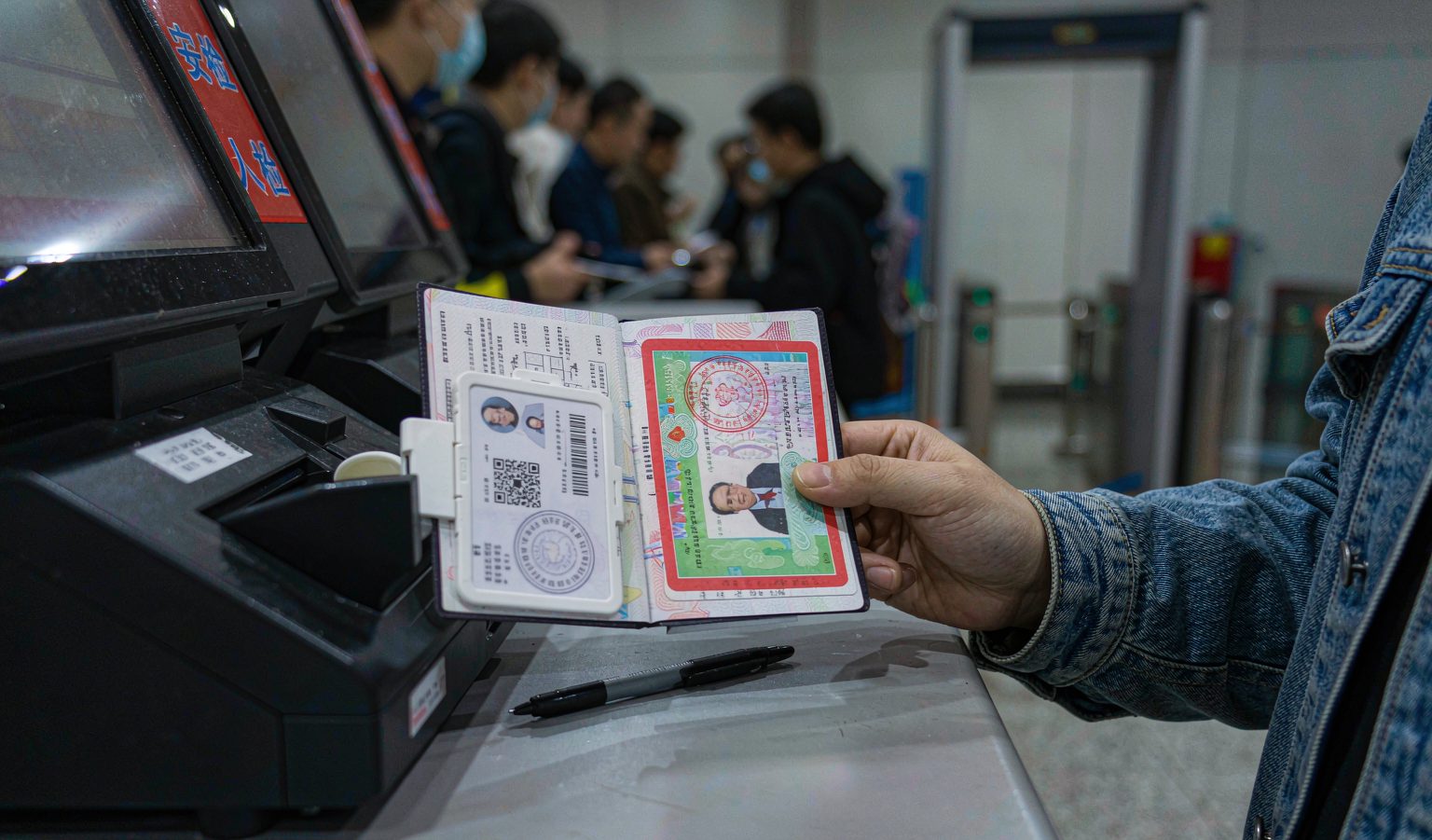
Bring your passport, home driver's license, and an international driving permit if required by the country. A credit card in the main driver's name is mandatory for the security deposit, since debit cards are often refused. Print or save the rental voucher and confirm the exact pickup address, because airport desks sit in separate terminals. Photograph the car thoroughly at collection, noting every scratch, to avoid disputes later. Review the fuel policy and mileage limits before signing so no surprise charges appear at drop-off.
Insurance options
Rental agreements offer collision damage waivers, theft protection, and third-party liability as optional or bundled coverage. Your personal auto policy from home may not extend abroad, so verify before relying on it. A travel credit card sometimes includes rental protection when you pay the full bill with it. Still, excess amounts can be high, so consider standalone excess cover bought independently for far less. Decline duplicate cover you already hold, but never drive without at least the legally required minimum third-party liability.
Driving rules
Manual transmissions dominate European fleets, so request automatic early if you cannot drive stick. Drive on the right across the continent, except the United Kingdom and Ireland where you keep left. Many city centers enforce low-emission or restricted zones with cameras issuing fines to foreign plates weeks later. Always carry a warning triangle and reflective vest where required. Running tolls or ignoring parking rules leads to surprise charges, so study local signage and keep small change for unmanned barriers on rural roads.