Your options
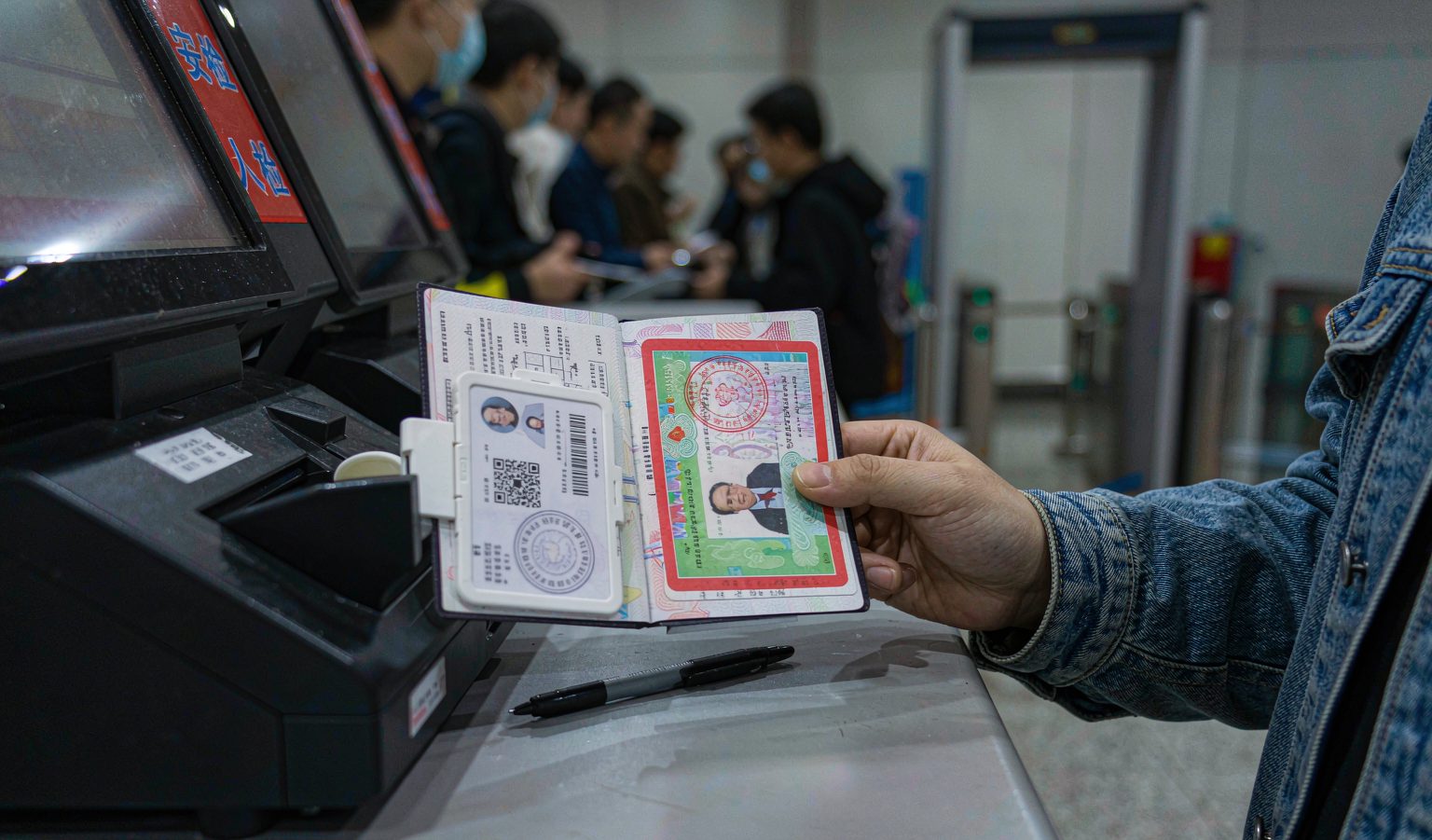
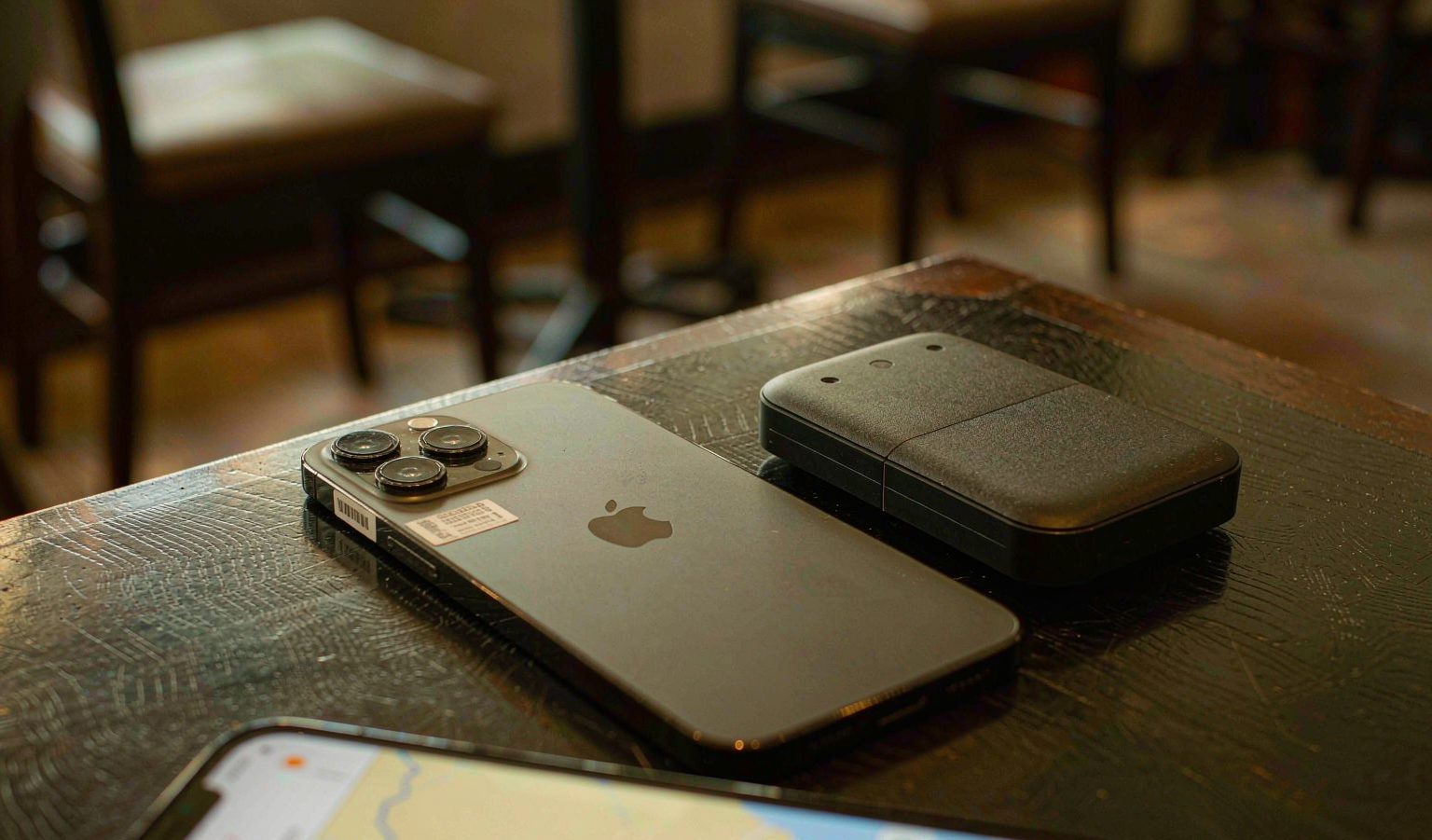
An eSIM loads a data plan onto a recent phone before you fly, avoiding the search for a shop on arrival. A local SIM is cheap at airports and kiosks but needs a spare slot and ID. Roaming from home is easiest but can be costly; check your plan's rate. Pocket wifi rents a hotspot for a group. Match the option to trip length and how much you rely on maps daily.
Before you land
Confirm your phone is unlocked and eSIM-compatible. Buy and install the eSIM profile at home on wifi, then activate on arrival. Note the data allowance and any throttle after a cap. Save offline maps and key reservations to the device in case signal drops. Tell your bank you are traveling so cards are not blocked mid-trip.
Using it well
Download translation packs and city maps for offline use. Use wifi for big downloads and saving the plan for navigation. Keep roaming data off for the home SIM to avoid charges, using the travel eSIM or local SIM instead. A power bank keeps you online through long days. Public networks are fine for browsing but avoid banking on open wifi without a basic protection app.