Cash versus cards
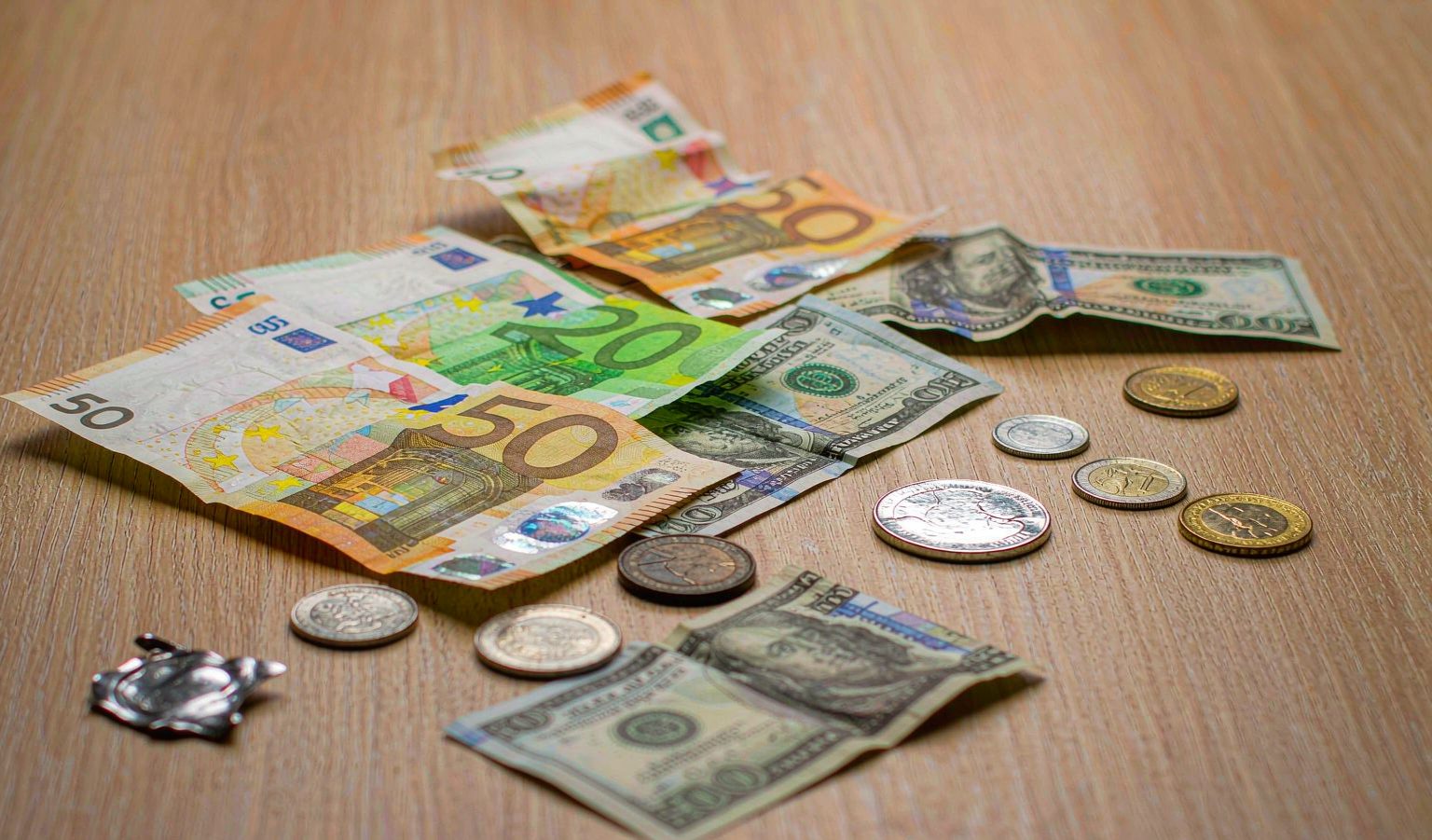
Cards are widely accepted across most of Europe, but you should still carry some cash for small shops, markets, and rural cafes. The euro is used by twenty countries, though several nations keep their own currencies such as the British pound or Swiss franc. Inform your bank of travel plans to avoid a frozen card. Prefer paying in the local currency when given the choice, because dynamic conversion at the terminal often adds a costly markup to your bill.
Best cards to bring
A contactless debit or credit card with no foreign transaction fee is the smartest tool for daily spending. Carry a backup card on a separate person in case one is lost or swallowed by a machine. Avoid airport currency kiosks, which charge poor rates and high commissions. Withdraw local cash from a bank-owned ATM inside a city rather than at tourist hotspots. Always decline the ATM's offered conversion and let your home bank handle the exchange rate instead.
Budgeting tips
Plan a daily budget by researching typical meal, transport, and attraction costs for each city on your route. Northern and western countries generally cost more than southern or eastern ones, so adjust expectations accordingly. Track spending with a simple notes app to avoid surprises at the end of the trip. Keep a small emergency fund in cash for situations where cards fail, such as a broken reader on a train or a closed rural shop.
Tipping etiquette
Tipping customs vary widely across the continent and are rarely as high as in North America. In many countries a small rounding-up or five to ten percent is appreciated but not expected, since service is often included. Research the local norm before dining out to avoid awkward moments. Never tip on a card machine that already adds a service charge. Keep coins handy, because rounding the bill is the most common and polite way to show appreciation for good service.