City overview & best season
Berlin is Germany's capital, a sprawling, flat city of wide avenues, parks, and gritty-creative districts. Late spring and early autumn are mild and full of open-air life; December's markets warm the cold. Summers are festival-heavy. The city is huge, so pick a base and use transit. Layers of history, from Prussian grandeur to Cold War division, sit side by side with street art and a famous nightlife scene.
Must-see sights
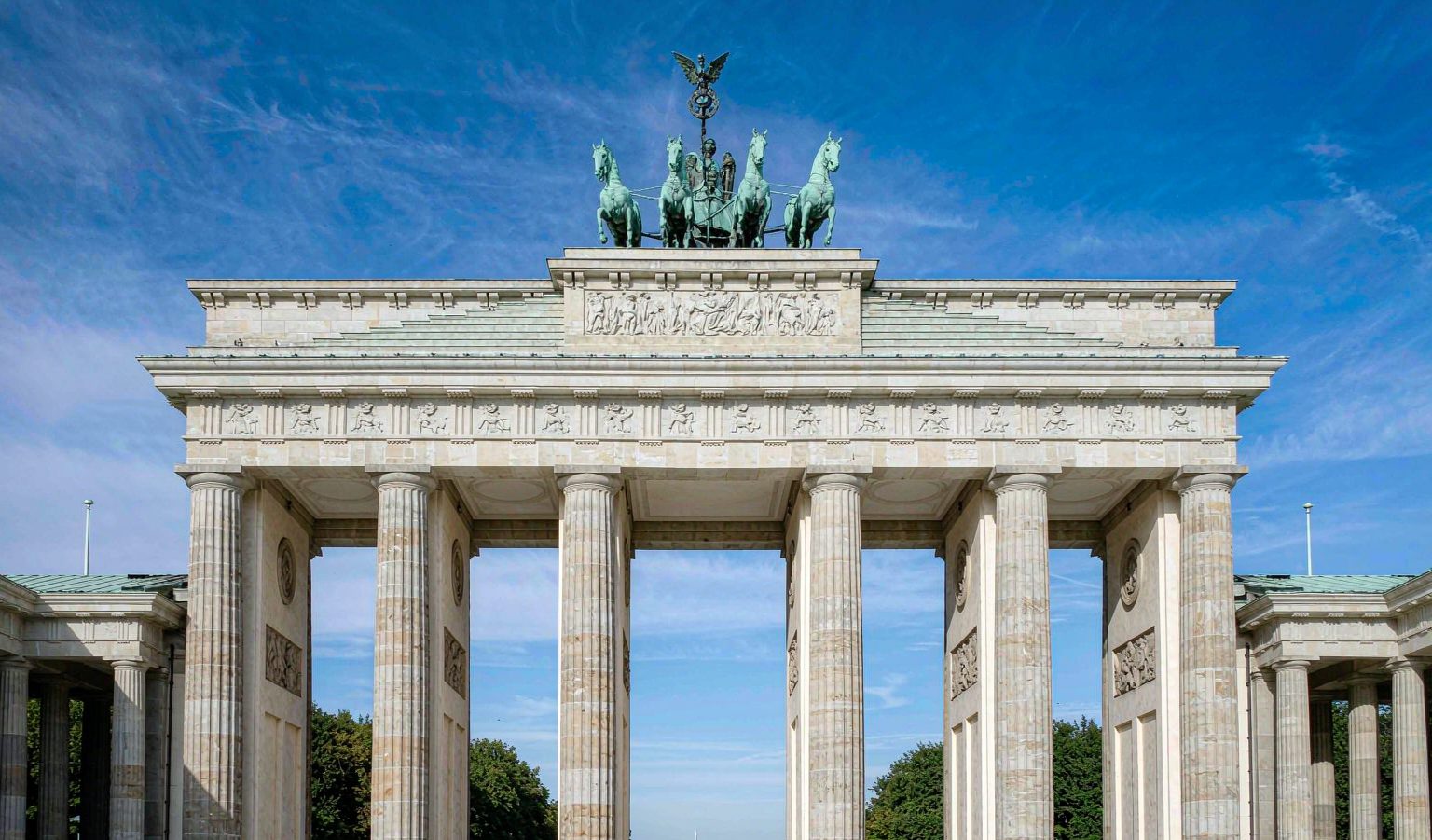
See the Brandenburg Gate and the Reichstag dome (book ahead). Walk the Berlin Wall Memorial and East Side Gallery murals. Visit the Holocaust Memorial and Checkpoint Charlie. Museum Island holds world-class collections, including the Pergamon. The TV tower gives panoramas. Tiergarten park offers green calm. The Jewish Museum and the DDR Museum add depth. A river cruise orients first-timers along the Spree past major landmarks.
Neighborhoods to explore
Mitte is the historic core with museums and squares. Kreuzberg and Neukolln pulse with immigrant food, bars, and street art. Prenzlauer Berg is leafy with cafes and young families. Friedrichshain has the East Side Gallery and nightlife. Charlottenburg offers elegant shopping and a palace. Schoneberg is calm and LGBTQ-friendly. For local life, Wedding mixes markets and budget eateries away from the central tourist trail and crowds.
Local food: what to eat & where
Eat currywurst with fries at a street stand, a Berlin classic. Try a doner kebab from a corner shop, a city staple. A beer garden serves schnitzel and pork knuckle; a bakery sells pretzels and cheesecake. The Markthalle and neighborhood food halls gather global stalls. Sample Eisbein pork knuckle at a traditional restaurant. A cafe pours flat white alongside apfelstrudel. Vietnamese and Turkish eateries reflect the city's diverse, affordable food scene.
Where to stay
Stay in Mitte for sights and transit, best for first-timers but pricier. Kreuzberg and Neukolln suit budget and nightlife travelers wanting food and edge. Prenzlauer Berg works for families and cafes. Friedrichshain offers clubs and riverside parks. Charlottenburg is quieter and upscale. Budget visitors find hostels across the east. Book ahead for summer and major events; the city is large, so choose a base near your interests.
Getting around
Berlin's U-Bahn, S-Bahn, trams, and buses run by BVG and integrate across zones; buy single or day tickets and validate them. The city is flat and bike-friendly with rental schemes. The center spreads out, so transit is essential for covering distance. The airport connects by express train in about 30 minutes. Bikes share wide lanes. Validate tickets at platforms, as roving inspectors fine the unprepared heavily.
Avoid these mistakes
Don't underestimate the city's size; cluster sights by district to save transit time. Avoid hanging out at Checkpoint Charlie, which is mostly a tourist facade; the Wall Memorial is better. Don't skip validating tickets, as inspections are frequent and fines steep. Avoid relying on cars; parking is scarce and transit is faster. Don't photograph people at the memorials insensitively. Beware fake charity and petition scams near busy squares.