City overview & best season
Brussels is Belgium's bilingual capital, a flat city of Art Nouveau houses, grand squares, and leafy parks. Spring (April-June) and early autumn are mild and pleasant; December's winter market lights the central square. Summers are warm with open-air events. The historic core is walkable, though the city sprawls into distinct districts. Expect a mix of Flemish and French influences in food, signage, and daily life across neighborhoods.
Must-see sights
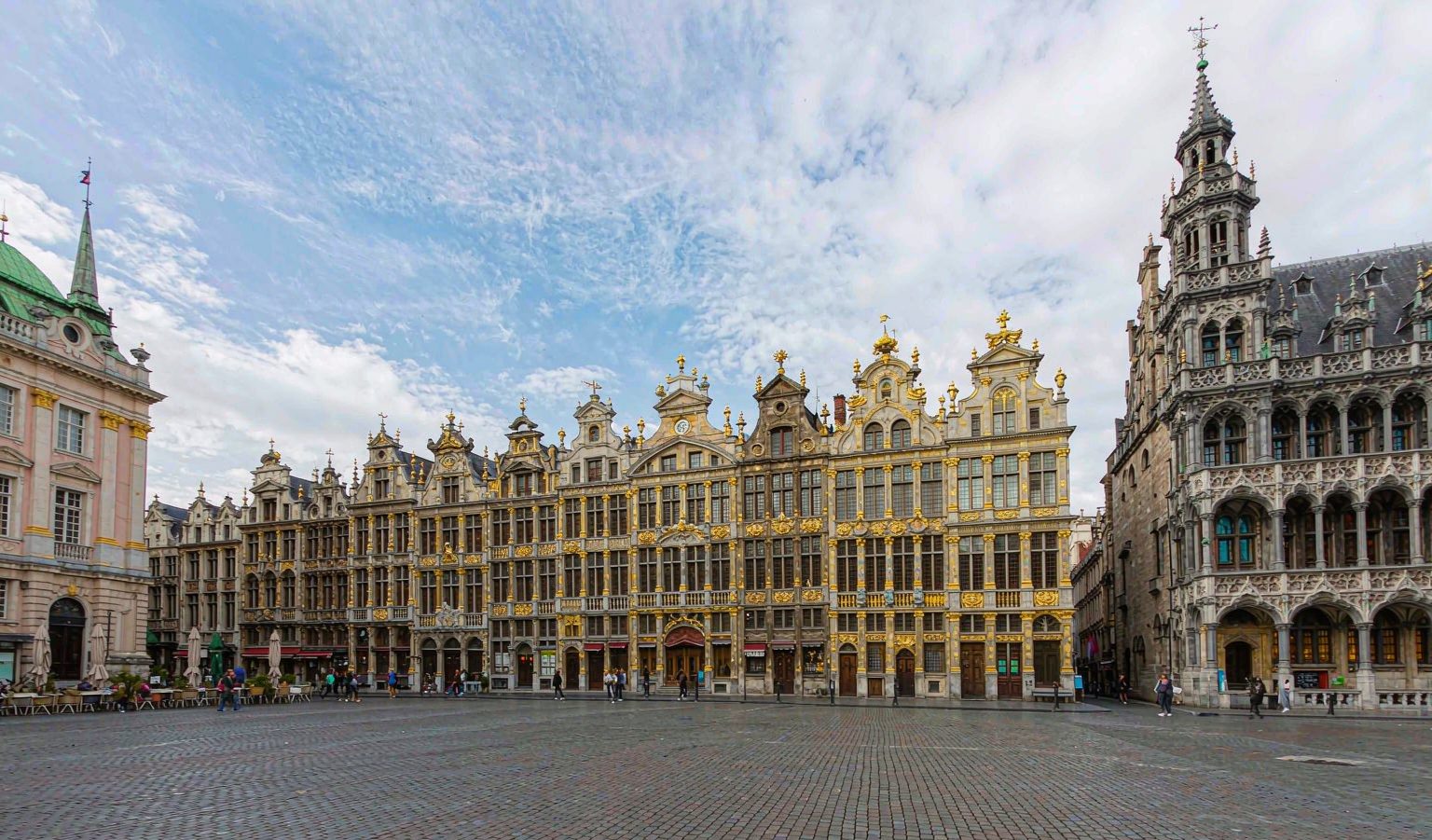
Marvel at the Grand Place, a UNESCO square of gilded guild houses. See the tiny Manneken Pis statue and the nearby comic-strip mural trail. Tour the Atomium, a 1958 expo relic, and the adjacent mini-Europe park. The Royal Palace and Mont des Arts offer gardens and museums. The Magritte Museum holds surrealist art. Wander the Sablon for antiques and chocolate shops, and the EU quarter for modern architecture and parks.
Neighborhoods to explore
The historic center around the Grand Place is dense with squares and lanes. The Marolles has flea markets and working-class cafes. Ixelles and Saint-Gilles blend Art Nouveau homes, bars, and diverse eateries. The Sablon is elegant with chocolate and antique shops. The EU quarter is green and institutional. For nights out, the Dansaert area draws a young crowd. The canal-side Molenbeek has a growing food and art scene worth exploring.
Local food: what to eat & where
Eat moules-frites (mussels and fries) at a brasserie, and Belgian waffles from a street stall, either the Brussels or Liege style. A friterie serves fries with mayo and sauces. Try carbonnade flamande beef stew at a tavern, and pairs it with Trappist beer from a beer cafe. A chocolate shop offers pralines and truffles. A bakery sells speculoos cookies. End with a gueuze lambic sour beer at a traditional cafe.
Where to stay
Stay near the Grand Place for first-time convenience and walkable sights, though it is touristy. Saint-Gilles and Ixelles suit travelers wanting cafes, Art Nouveau, and better value. The Sablon area is quiet and upscale for couples. The EU quarter works for business and green space. Budget visitors find hostels near the midi station, a major rail hub. Book ahead in spring and autumn, when conferences and events fill rooms.
Getting around
Brussels has a combined metro, tram, and bus network run by STIB; buy single or day tickets and validate them. The city center is walkable, but trams speed longer hops. The midi station links high-speed trains to Paris, Amsterdam, and Cologne. The airport reaches the center by train in about 20 minutes. Bikes and shared scooters work on flat streets. Watch for pickpockets on crowded metro lines and at stations.
Avoid these mistakes
Don't eat at the restaurants ringing the Grand Place; walk a block for fair prices and better food. Avoid the midi station area late at night, as it attracts thieves. Don't skip validating transit tickets, as checks are frequent. Avoid assuming everyone speaks one language; French and Flemish both apply. Don't visit museums on Monday when many close. Beware fake charity petition scams targeting tourists near the square.