City overview & best season
Florence has a humid continental climate: hot summers, cool winters, and blossoming springs. April–May and September–October are best for art and walking. July–August can be sweltering and crowded. The Renaissance birthplace centers on the Arno and its iconic bridges. Allow three days for Uffizi, Duomo, and wandering. Spring brings festivals; autumn offers wine-country day trips. Carry water and use shade; many masterpieces sit in churches and galleries needing timed, pre-booked entry slots.
Must-see sights
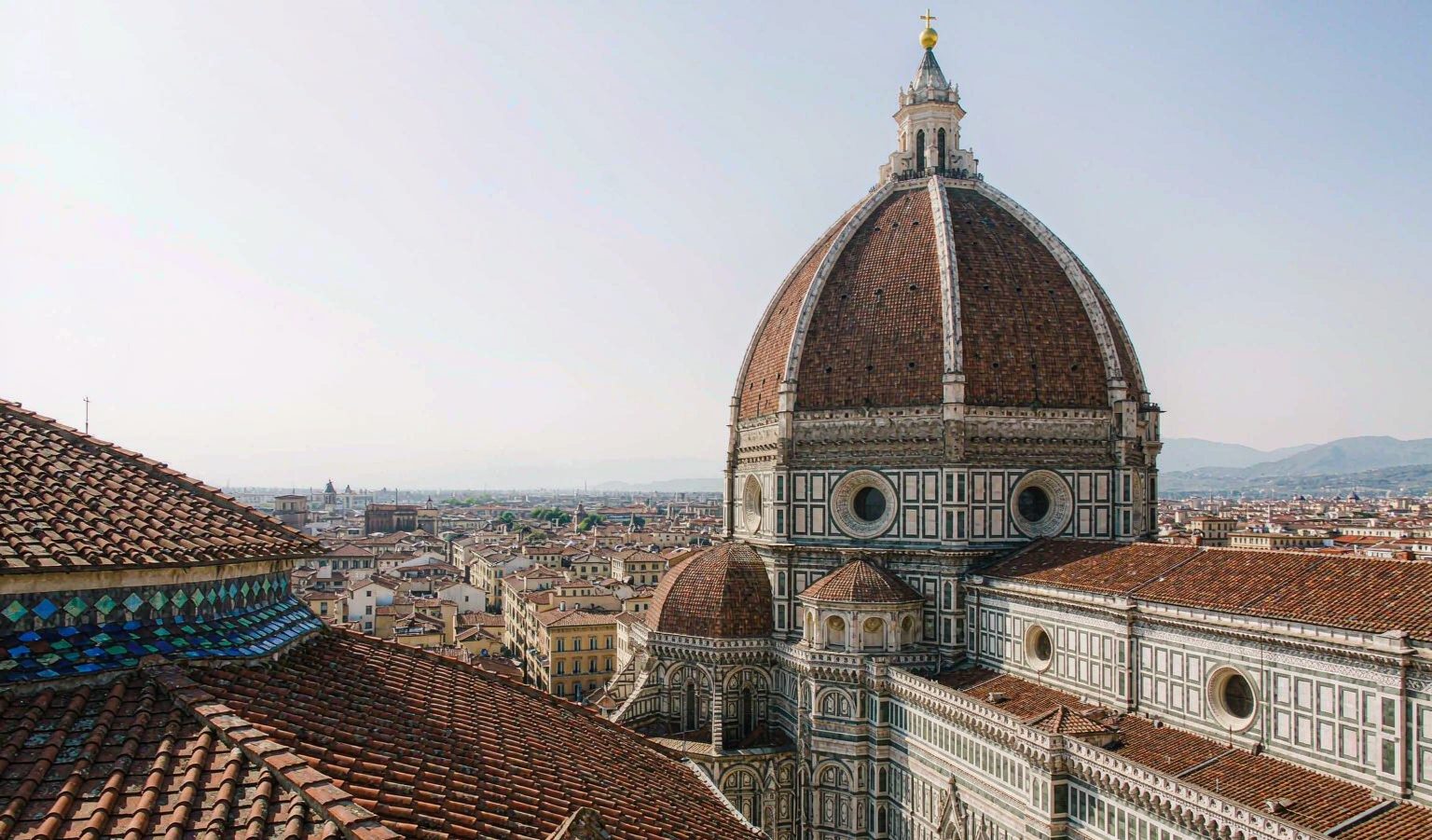
The Duomo's dome and Giotto's bell tower dominate the skyline; climb for views. The Uffizi and Accademia (Michelangelo's David) need timed tickets—book ahead. Ponte Vecchio bridges the Arno with jewelers' shops. The Pitti Palace and Boboli Gardens span art and green space. Piazza della Signoria holds open-air sculpture. San Miniato al Monte offers hilltop calm. Arrive at galleries when they open to beat crowds. A Firenze Card can speed entry but costs more than single tickets for light visitors.
Neighborhoods to explore
The Duomo and San Lorenzo area centers on markets and the cathedral. Oltrarno across the river is artisan-filled, with workshops and quieter trattorias. Santa Maria Novella near the station is convenient and central. Santo Spirito blends local life and nightlife. San Niccolò sits below the hills with charm. The hills of Fiesole make a calm day trip. Stay central to walk everywhere. Peripheral zones add bus rides; the historic core is compact and best explored on foot between meals.
Local food: what to eat & where
Try bistecca alla fiorentina, a thick grilled steak, at a traditional trattoria. Ribollita soup, pappa al pomodoro, and crostini with liver come from local kitchens. A bakery sells schiacciata flatbread and cantucci almond biscuits. Markets overflow with pecorino, prosciutto, and produce. Wine bars pour Chianti by the glass. Lampredotto sandwiches come from a street cart near the market. Finish with gelato from a gelateria. Picnic with bread, cheese, and figs bought from the central food hall.
Where to stay
The San Lorenzo and Duomo zone puts you steps from markets and sights—busy but central. Oltrarno suits travelers wanting artisans, quieter streets, and local dining. Santa Maria Novella is convenient near the station and tram. Santo Spirito draws a younger, nightlife-friendly crowd. Fiesole offers a hill escape with views. Avoid distant suburbs for short stays. Choose lodging within walking distance of the center and a market, so museums and meals stay an easy stroll apart.
Getting around
Florence's center is compact and best on foot; most sights sit within a 20-minute walk. Buses and a new tram link the station and outskirts. Taxis help with luggage or late returns. Avoid driving into the restricted ZTL zone—cameras fine intruders. Bikes are awkward in traffic and on narrow lanes. The hills of Fiesole need a bus or taxi. Buy bus tickets at machines or newsstands and validate. Walking remains the fastest, most scenic way to explore the historic core.
Avoid these mistakes
Don't visit the Uffizi or Accademia without timed tickets—same-day entry is rare in peak season. Avoid the crowded main piazza restaurants with picture menus; seek side-street trattorias. Don't drive into the ZTL restricted center; fines follow by mail. Beware knock-off goods sellers near the Duomo. Skip August heat if possible. Don't overbook museums back-to-back; fatigue sets in. Watch pickpockets on crowded bridges and buses, especially around the station area.