City overview & best season
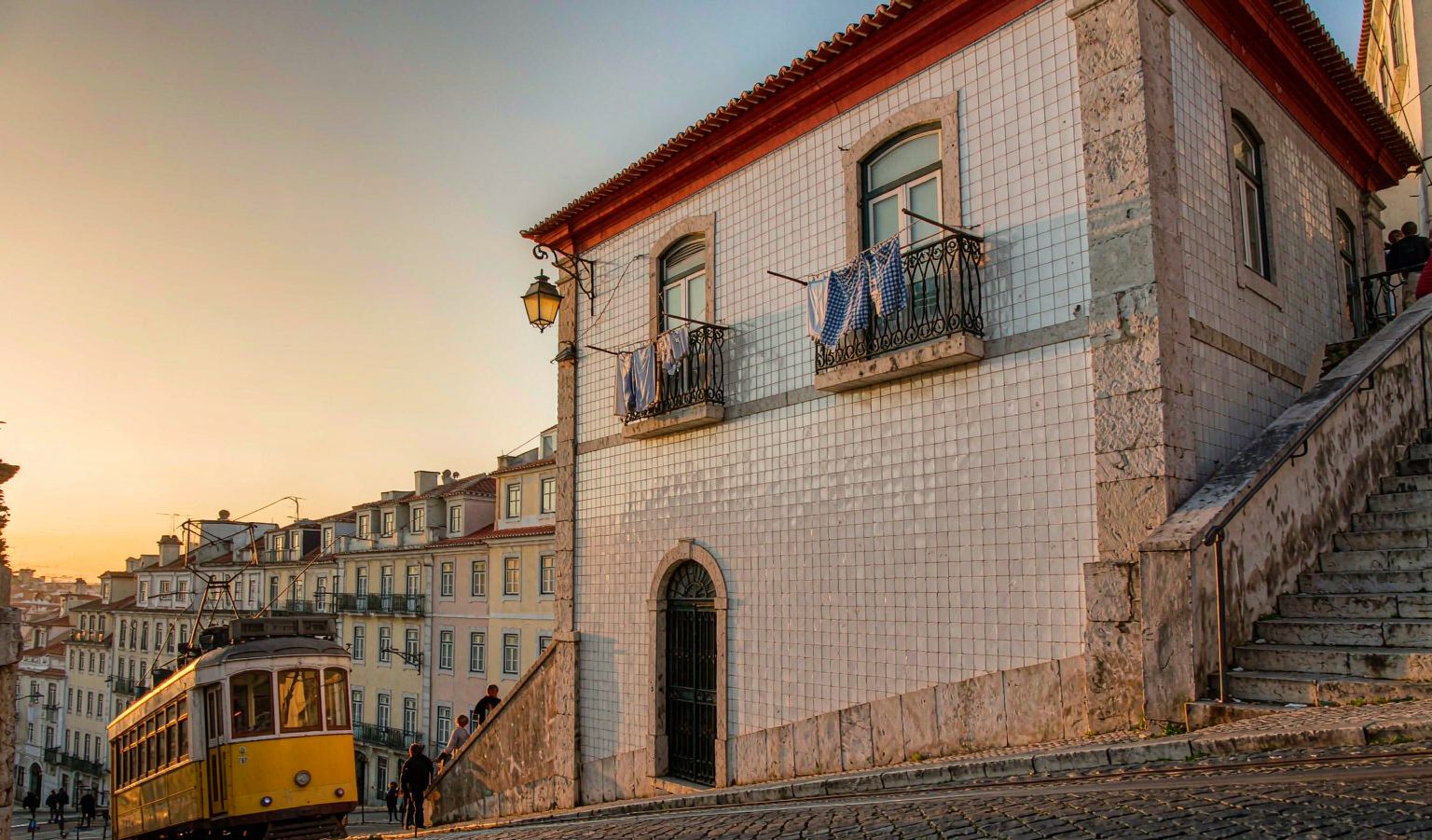
Lisbon has a Mediterranean climate with mild, wet winters and hot, dry summers. April–June and September–October are ideal—sunny and less crowded. July–August is warm and busy. The city tumbles down seven hills to the Tagus, rich in azulejos, fado, and custard tarts. Allow three days. Spring brings blossoms; autumn golden light. Wear good shoes for steep lanes and cobbles, and use the iconic trams and funiculars to save legs while exploring viewpoints over the river and rooftops.
Must-see sights
The Belém Tower and Jerónimos Monastery anchor the riverside—book monastery tickets ahead in summer. São Jorge Castle crowns the hill with views. The Alfama and Mouraria lanes hide fado and azulejos. Praça do Comércio opens to the Tagus. The Calouste Gulbenkian museum holds a fine collection. Ride Tram 28 through historic quarters. Arrive at Belém early to beat crowds. A combined ticket can cover monastery and nearby sites, though the tram ride itself is the classic, scenic way to orient.
Neighborhoods to explore
Alfama is the oldest, mazelike quarter with fado and viewpoints. Bairro Alto blends bars, nightlife, and tiled lanes. Chiado is elegant with cafés and shops. Baixa is the gridded downtown by the river. Príncipe Real is leafy with boutiques and a market. Belém sits west with monuments. Each area has a mood. Stay central to walk or tram to sights. Peripheral zones add commute; the core is hilly but compact, best on foot between elevators, miradouros, and evening fado.
Local food: what to eat & where
Try pastéis de nata, custard tarts, from a bakery with cinnamon dust. Bacalhau à brás and grilled sardines appear at traditional tascas. A market sells cheese, olives, and produce. The Time Out market offers many counters under one roof. Wine bars pour vinho verde and port by the glass. Bifanas, pork sandwiches, come from a counter. Finish with queijadas or a ginjinha cherry liqueur. Gather bread, cheese, and fruit for a picnic at a miradouro viewpoint over the Tagus at sunset.
Where to stay
Baixa and Chiado put you central near the river, tram, and dining. Alfama suits romantics wanting fado and viewpoints, though hilly. Bairro Alto is nightlife-heavy and noisy. Príncipe Real offers leafy, boutique stays. Belém works for monument visits but is far from nightlife. Avoid distant suburbs for short trips. Choose lodging near a tram or metro stop to handle the hills; central bases keep evening returns easy and put miradouros, tascas, and fado within a short walk.
Getting around
Lisbon's trams, funiculars, metro, and buses cover the hills; buy a Viva Viagem card and recharge it. Tram 28 is scenic but pickpocket-prone—watch bags. The center is walkable but steep; use elevators like Santa Justa. Taxis and ride apps help late or with luggage. Avoid driving—narrow lanes, hills, and restricted zones penalize visitors. Trains from Cais do Sodré reach Cascais and Sintra. Keep transit tickets until the end of the ride for inspection checks.
Avoid these mistakes
Don't ride Tram 28 without watching for pickpockets—crowds attract thieves. Avoid the priciest riverside terraces with tourist menus; seek tascas in back lanes. Beware fake charity petition scams near the cathedral. Don't visit Belém monuments at midday in summer—heat and queues. Avoid driving the hills and narrow Alfama. Don't skip Sintra as a day trip if time allows. Watch uneven cobbles—wear sturdy shoes. Secure bags on crowded trams and at busy miradouros viewpoints.