City overview & best season
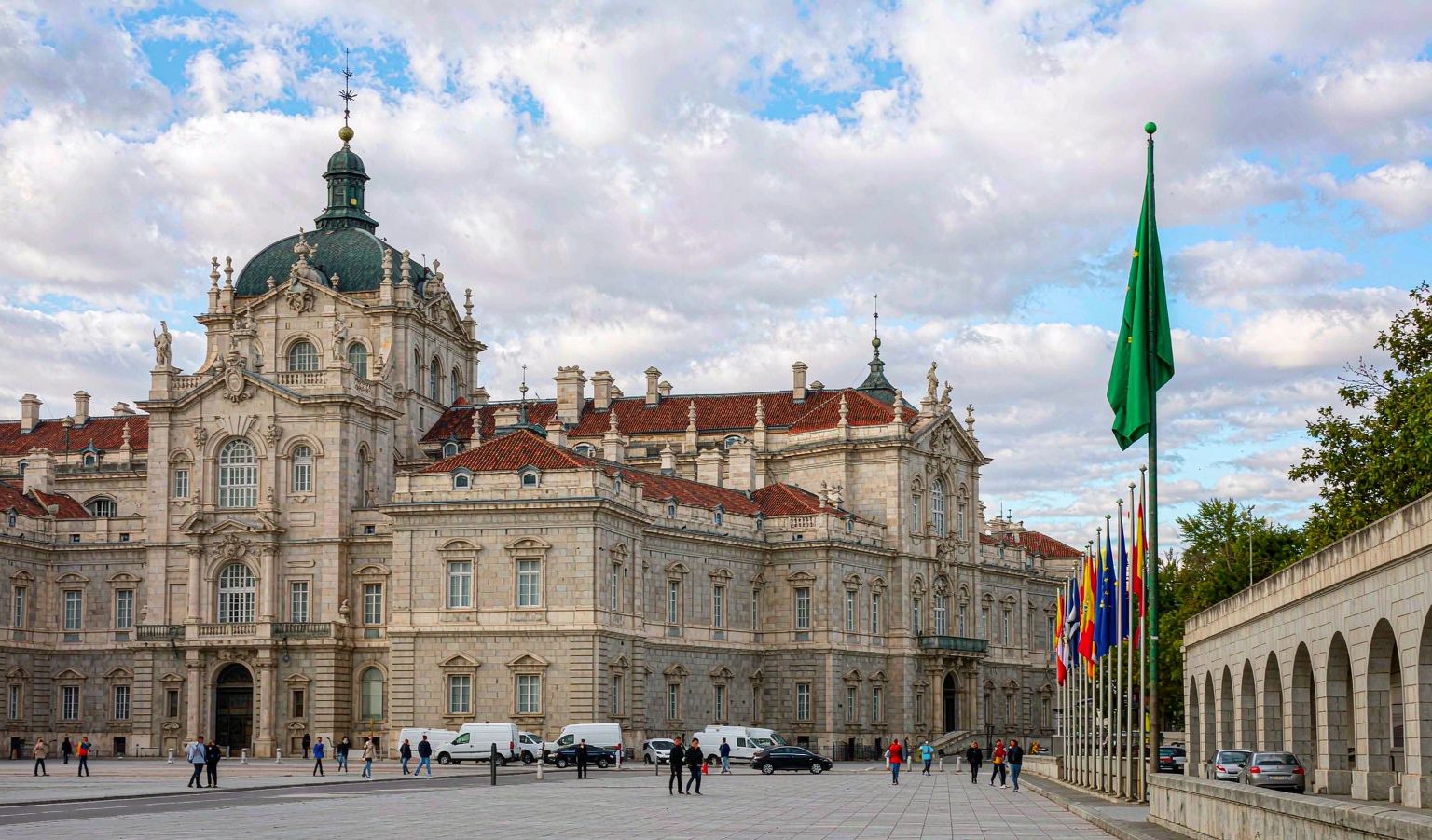
Madrid has a continental climate: hot, dry summers and cold winters, with spring and autumn the sweet spots. April–May and September–October bring mild days and lively terraces. July–August is intense but full of festivals. The capital centers on grand plazas, world-class museums, and late-night energy. Allow three days. Spring sees blossoms; autumn golden light. Elevation keeps nights cool even in summer, so pack a layer and embrace the city's famously late dining and evening paseo culture.
Must-see sights
The Prado, Reina Sofía, and Thyssen form the art triangle—book Prado tickets ahead. The Royal Palace and Almudena Cathedral anchor the west. Plaza Mayor and Puerta del Sol are historic hearts. Retiro Park offers a lake and glass palace. Templo de Debod gives sunset views. The Salamanca district shows elegant boulevards. Arrive at the Prado when it opens to beat crowds. A Paseo del Arte pass can save on multiple museum entries if you plan to visit all three major collections.
Neighborhoods to explore
Centro around Sol and Plaza Mayor is historic and central. Malasaña blends indie shops, bars, and youth culture. Chueca is lively, open, and nightlife-heavy. La Latina holds tapas bars and the Rastro flea market. Salamanca is upscale with broad avenues. Lavapiés is multicultural and budget-friendly. Each area has a pulse. Stay central to walk or metro to sights. Peripheral zones add commute; the core is dense and best on foot between meals, plazas, and evening strolls through lit streets.
Local food: what to eat & where
Try cocido madrileño, a chickpea stew, at a traditional mesón in winter. Bocadillo de calamares and patatas bravas come from tapas bars. A bakery sells churros for dipping in chocolate at a café. The Mercado de San Miguel offers oysters, jamón, and tapas. Wine bars pour Vermut and Rioja by the glass. Callos and huevos rotos appear on many menus. Finish with tarta de Santiago from a pasticceria. Gather bread, cheese, and olives for a picnic in Retiro Park on sunny afternoons.
Where to stay
Centro and La Latina put you near plazas, tapas, and transit—busy but central. Malasaña suits nightlife and indie culture. Chueca is lively and open-minded. Salamanca offers upscale, calm stays. Lavapiés is budget-friendly and diverse. Avoid distant suburbs for short trips. Choose lodging near a metro line so you reach museums and parks easily. Central locations reduce late-night transit reliance; Madrid nights run late, so a walkable base keeps evening returns simple and safe.
Getting around
Madrid's metro is extensive and fast; buy single tickets or a multi-trip pass at machines. Buses and the light rail fill gaps. The center is walkable, but the metro speeds longer hops. Taxis and ride apps help late or with luggage. Trains from Atocha reach Toledo and Segovia in under an hour. Avoid driving downtown—restricted zones, traffic, and parking costs penalize visitors. The airport connects by metro or express bus. Keep tickets until the end of the ride for inspection.
Avoid these mistakes
Don't visit the Prado without timed tickets in peak season—lines form early. Avoid the priciest Plaza Mayor terraces with tourist menus; seek side-street mesones. Beware pickpockets on crowded metro lines and at Sol. Don't expect dinner before 9pm; kitchens open late. Avoid August if you hate heat and closures. Watch for fake charity petition scams near major squares. Don't overpack museums; pace yourself. Secure bags on crowded buses and at the busy Rastro flea market Sunday.