City overview & best season
Milan has a humid continental climate: hot, humid summers and cold, foggy winters. May–June and September are best for fashion, art, and aperitivo. July–August can be sticky; many businesses close in August. Italy's design and finance capital pairs the Duomo with world-class shopping and dining. Allow two to three days, plus day trips to lakes. Spring and autumn host the design week and fashion events that swell hotels, so book early if your dates overlap those weeks.
Must-see sights
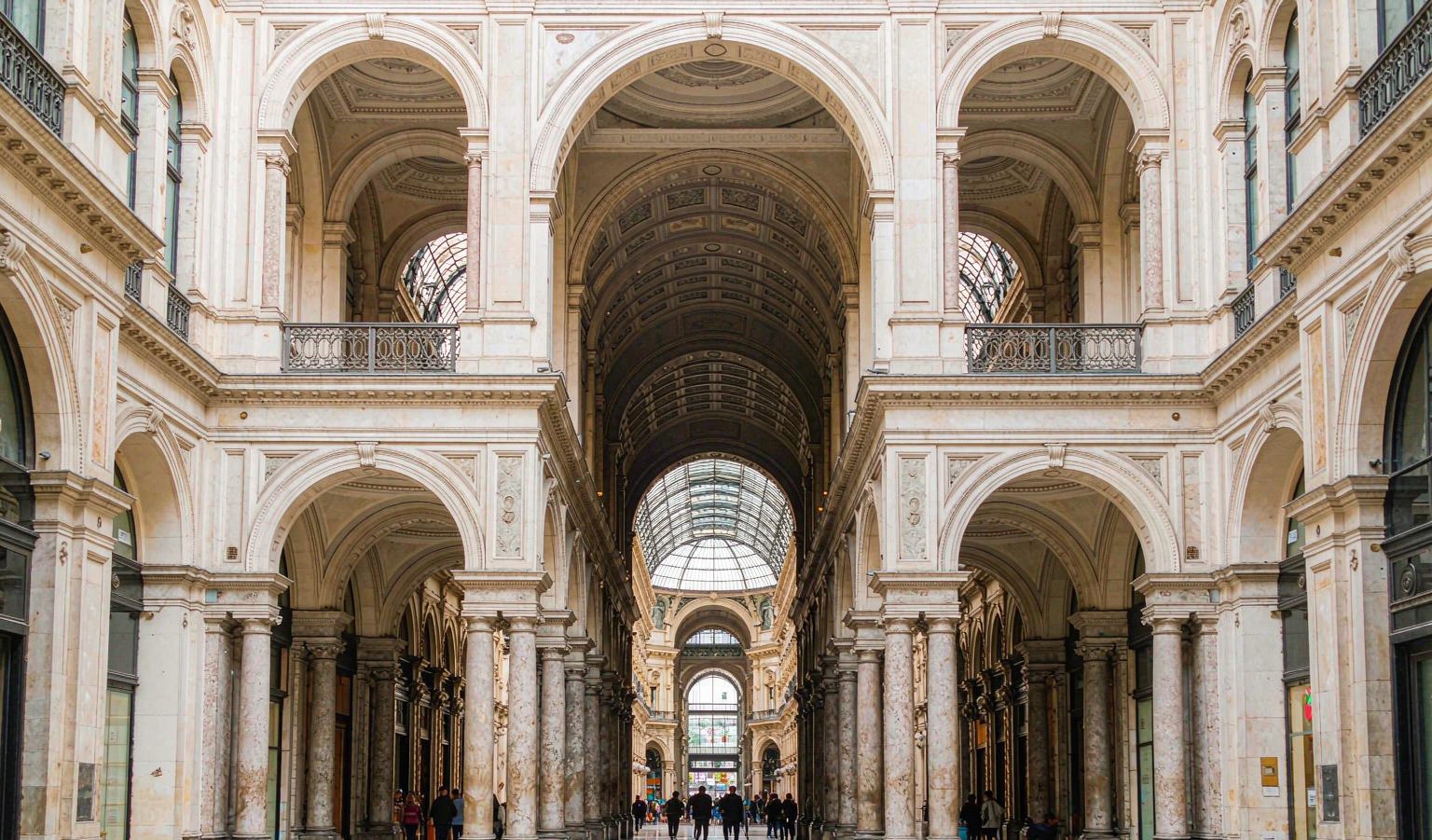
The Duomo di Milano is a vast Gothic marble cathedral—climb the terraces for views. Galleria Vittorio Emanuele II links to La Scala opera house. The Last Supper by Leonardo requires timed tickets booked weeks ahead. Sforza Castle holds museums and courtyards. The Navigli canals district charms at dusk. Santa Maria delle Grazie houses the fresco. Arrive at the Duomo early to avoid queues. Book The Last Supper far in advance; same-day entry is essentially impossible during peak season.
Neighborhoods to explore
The Centro around the Duomo and Galleria is grand and central. Brera blends art galleries, boutiques, and romantic lanes. Navigli comes alive at night with canalside bars. Porta Nuova and Garibaldi show modern skyscrapers and design. Isola is youthful with markets and parks. The Ticinese has a bohemian, local edge. Stay central to walk or metro to sights. Peripheral zones add commute time; the core is compact but pricey. Choose a base near a metro line to reach both historic and design districts easily.
Local food: what to eat & where
Try risotto alla milanese, saffron-yellow rice, and cotoletta, a breaded cutlet, at a traditional trattoria. Ossobuco braises with gremolata on many menus. A bakery sells panettone year-round and focaccia. The central market hall offers cheese, cured meat, and produce. Wine bars pour Franciacorta sparkling by the glass. Aperitivo hour brings buffet spreads with a drink at a canal-side bar. Finish with gelato or a maritozzo cream bun. Picnic with bread, salami, and fruit from the market.
Where to stay
The Centro and Brera put you near the Duomo, galleries, and dining—central but pricey. Navigli suits nightlife and canal strolls. Porta Nuova and Garibaldi offer modern stays near design districts. Isola is budget-friendly and lively. Ticinese gives local character. Avoid distant suburbs for short trips. Choose lodging near a metro stop so you can reach both the historic core and the Navigli or lakes easily. Central locations reduce reliance on transit and keep evening returns simple.
Getting around
Milan's metro has four lines plus trams and buses; buy tickets at machines or newsstands and validate. The center is walkable, but the metro speeds longer hops. Taxis and ride apps help late or with luggage. Trains from Centrale reach lakes Como and Maggiore in an hour. Avoid driving downtown—restricted zones, traffic, and parking costs penalize visitors. The Malpensa Express links the airport. Keep transit tickets until the end of the ride; inspectors fine those without valid passes.
Avoid these mistakes
Don't try to see The Last Supper without booking weeks ahead—entry is tightly timed and sells out. Avoid the priciest Duomo-square cafés with tourist menus. Beware pickpockets on crowded metro lines and at the central station. Don't visit in mid-August expecting open shops; the city quiets. Skip driving into restricted zones. Don't overlook aperitivo as a cheap early dinner. Watch for scam bracelet sellers near the Galleria and cathedral steps.