City overview & best season
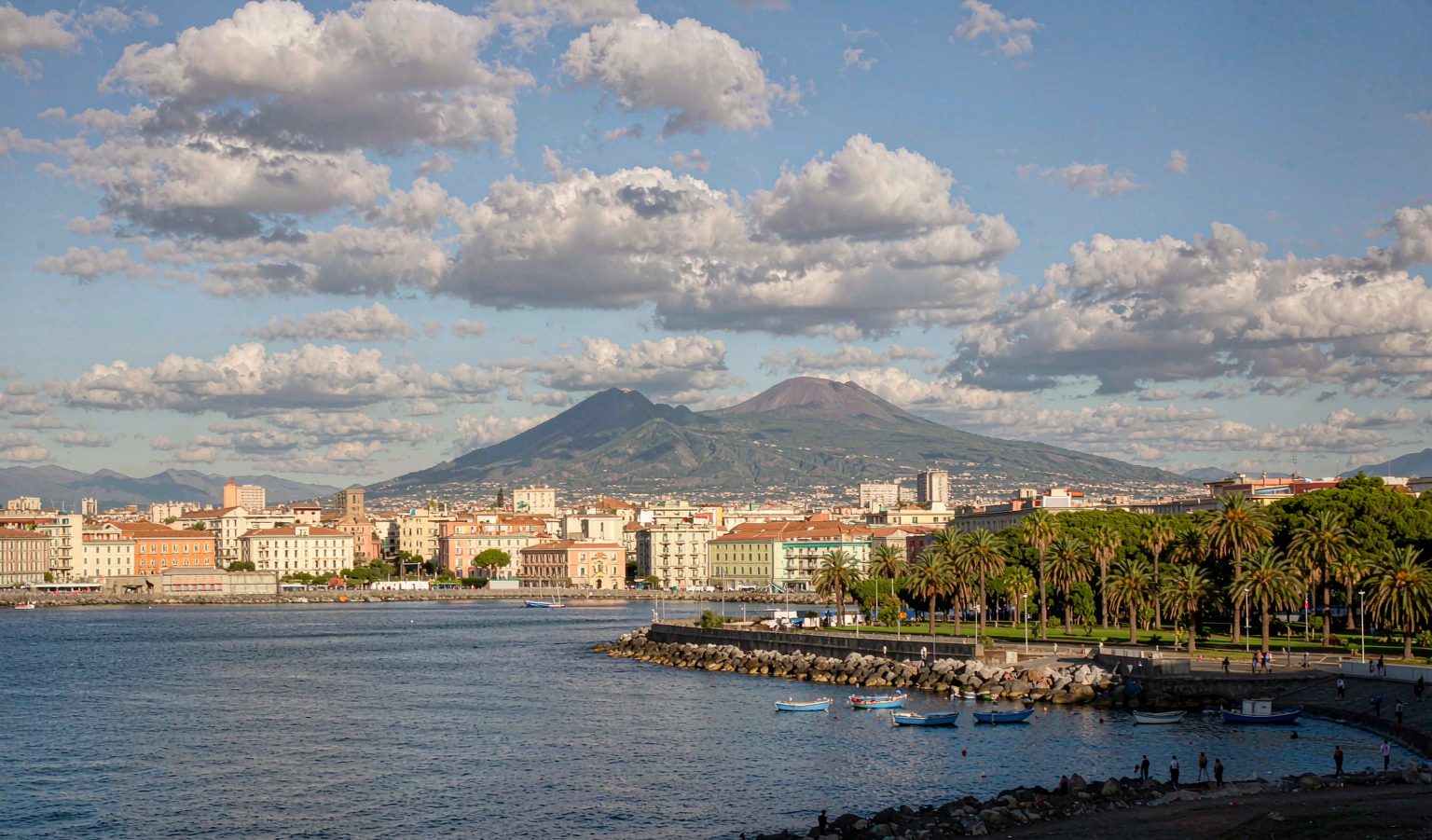
Naples has a Mediterranean climate with hot summers and mild, wet winters. April–June and September–October are ideal—warm and less crowded. July–August is humid and busy; many head to the coast. The chaotic, vibrant city sits by the bay under Vesuvius, rich in history, pizza, and baroque churches. Allow three days, plus Pompeii or the coast. Spring and autumn offer the best light for photography and comfortable walking through the dense, lively historic center streets and markets.
Must-see sights
The Archaeological Museum holds Pompeii's treasures—visit before the ruins. Pompeii and Herculaneum lie nearby by train. The Duomo and Chapel of San Gennaro are baroque landmarks. Castel dell'Ovo sits on the seafront. Underground Naples reveals Roman streets and tunnels. The Certosa di San Martino crowns a hill with views. Book Pompeii tickets online to skip lines. Ride the funicular to Vomero for panoramas. The historic center's narrow lanes reward slow, curious wandering and careful attention to surroundings.
Neighborhoods to explore
The Centro Storico packs churches, piazzas, and the famous pizza district of Spaccanapoli. Chiaia is elegant along the seafront with boutiques. Vomero sits hillside with castles and views. Mergellina offers a quieter marina and ferry access. The Spanish Quarters mix grit and charm with murals. Each area has a distinct pulse. Stay central to walk to sights and transit. Peripheral zones add commute and less atmosphere; the core is dense, lively, and best explored on foot between meals and markets.
Local food: what to eat & where
Eat pizza napoletana—soft, charred, Margherita or marinara—from a neighborhood pizzeria; the city invented it. Try spaghetti alle vongole and fried pizza at a casual spot. A bakery sells sfogliatella, a shell-shaped pastry, and babà rum cake. The waterfront market offers mozzarella, tomatoes, and seafood. Wine bars pour Falanghina by the glass. Finish with gelato or a granita. Gather bread, cheese, and fruit for a picnic on the lungomare seafront promenade while watching the bay and Vesuvius.
Where to stay
The Centro Storico puts you amid pizza, churches, and transit—lively but gritty. Chiaia suits travelers wanting elegant seafront stays and calmer streets. Vomero offers hill views and castles with a funicular down. Mergellina works for ferry access and a quieter feel. Spanish Quarters are atmospheric but less polished. Avoid distant suburbs for short trips. Choose lodging near a metro or funicular stop so sightseeing and coast trips stay easy, and keep valuables secure in busy lanes.
Getting around
Naples' metro and funiculars climb hills and reach the center; buy tickets at machines and validate. Circumvesuviana trains connect Pompeii and Herculaneum. Buses and trams fill gaps but traffic is heavy. Taxis and ride apps help late or with luggage. Ferries from the port reach Capri and Sorrento. Avoid driving—chaotic traffic, ZTL zones, and parking woes penalize visitors. Walking covers the dense center. Keep transit tickets handy; inspectors fine those without valid, validated passes during rides.
Avoid these mistakes
Don't skip Pompeii or the Archaeological Museum—they complete each other. Avoid the priciest waterfront restaurants with tourist menus; seek back-street pizzerias. Beware scooter snatch theft—secure bags on the lungomare. Don't flash valuables in crowded Spanish Quarters. Avoid driving in the chaotic center; use transit. Don't visit in August heat expecting calm. Watch pickpockets on crowded buses and the metro. Be alert at night in quiet lanes; stick to lit, busy streets.