City overview & best season
Nice enjoys a Mediterranean climate with hot, dry summers and mild winters, making it a year-round destination. Spring and early autumn are ideal—warm sea, fewer crowds. July and August swell with beachgoers. The city blends French and Italian influences along the Baie des Anges. Allow three days to mix beaches, old town, and day trips to hills or Monaco. Winter brings carnival festivities. Sea swimming is best from June to September when waters are comfortable.
Must-see sights
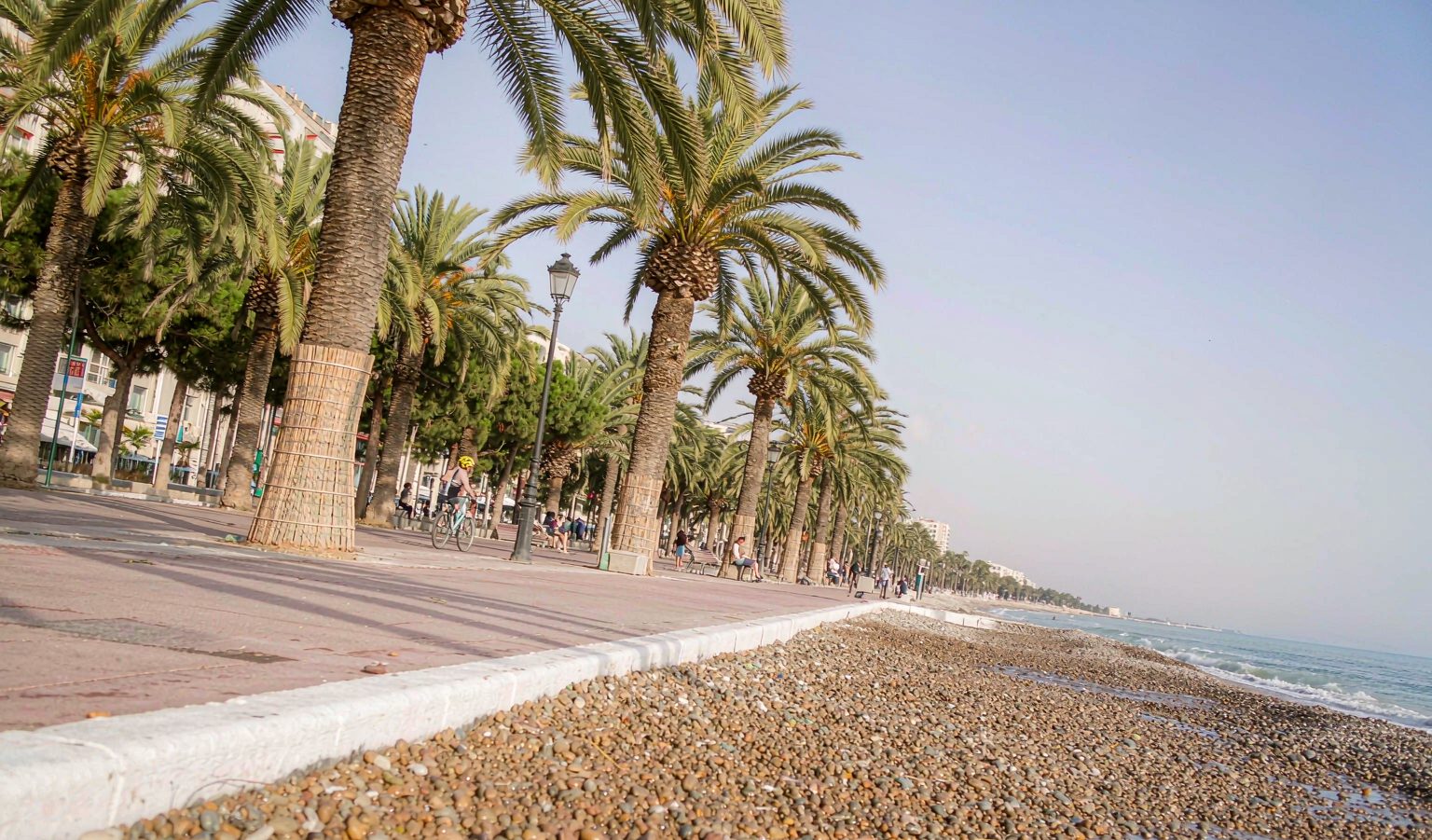
The Promenade des Anglais is the famous seafront walk lined with blue chairs. Vieux Nice's pastel lanes hide the Baroque cathedral and lively markets. Colline du Château gives hilltop views over the bay. The Musée Matisse and Musée Marc Chagall house major collections. Place Masséna is the central square with red-ochre buildings. Walk the Cours Saleya flower and food market in the morning. Arrive early at popular museums in summer to avoid queues and the midday heat.
Neighborhoods to explore
Vieux Nice is a tangle of narrow streets, bars, and the daily market—great for atmosphere. The Promenade des Anglais and Carreiras quarter suit beach lovers. Cimiez sits uphill with Roman ruins, museums, and quieter streets. The Port area mixes bobbing boats with cafés and stairs to the viewpoint. Libération has a local market and fewer tourists. Each area connects by tram or walk. Stay central to reach both beach and old town without long bus rides.
Local food: what to eat & where
Try socca, a chickpea pancake, from a market or street counter in the old town. Salade niçoise with anchovies, olives, and tuna appears at cafés. Pissaladière, an onion-and-anchovy tart, comes from a bakery. Fresh sardines and sea bass feature at seafood counters. A pissalat spread pairs with bread. Wine bars pour nearby Bellet reds. Finish with a slice of tourte de blettes, a sweet chard tart, from a pâtisserie. Picnic with olives, cheese, and bread by the sea.
Where to stay
Vieux Nice puts you in the atmospheric heart near markets and the beach. The Carreiras and Promenade area suit travelers wanting sea views and easy swimming. Cimiez offers quieter, greener stays with museums and Roman sites. The Port quarter is good value with character and hill climbs. Libération feels local and budget-friendly. Avoid far suburbs for short trips. Pick lodging a short walk from a tram stop so you can reach the center and beach without relying on buses.
Getting around
Nice's tram lines connect the airport, center, and port efficiently; buy tickets at machines or on board. The city is walkable, especially the old town and seafront. Buses reach hill villages and Monaco along the coast. A coastal bike path suits confident riders. Avoid renting a car downtown—narrow streets and scarce parking frustrate. The train along the Riviera is fast for day trips to Antibes or Menton. Keep bus and tram tickets for inspection checks during rides.
Avoid these mistakes
Don't swim right after heavy rains when sea quality dips; check flags. Avoid the crowded peak of July–August if you dislike heat and queues. Don't eat tourist-menu meals on the main promenade—prices rise near the sea. Beware beach chair scams and unofficial towel rentals. Don't skip the hill villages reachable by bus. Watch valuables on crowded trams and the busy Cours Saleya market. Avoid driving the corniche in summer traffic.