City overview & best season
Porto has an oceanic climate: mild, rainy winters and warm, sunny summers. May–June and September are ideal—pleasant and less crowded. July–August is warm and busy. The Douro River city is famed for port wine, azulejo churches, and a UNESCO old town. Allow two to three days. Spring brings blossoms; autumn the wine harvest upstream. Pack a light rain layer even in summer; the Atlantic breeze cools evenings, so a jacket helps for riverside and cellar visits.
Must-see sights
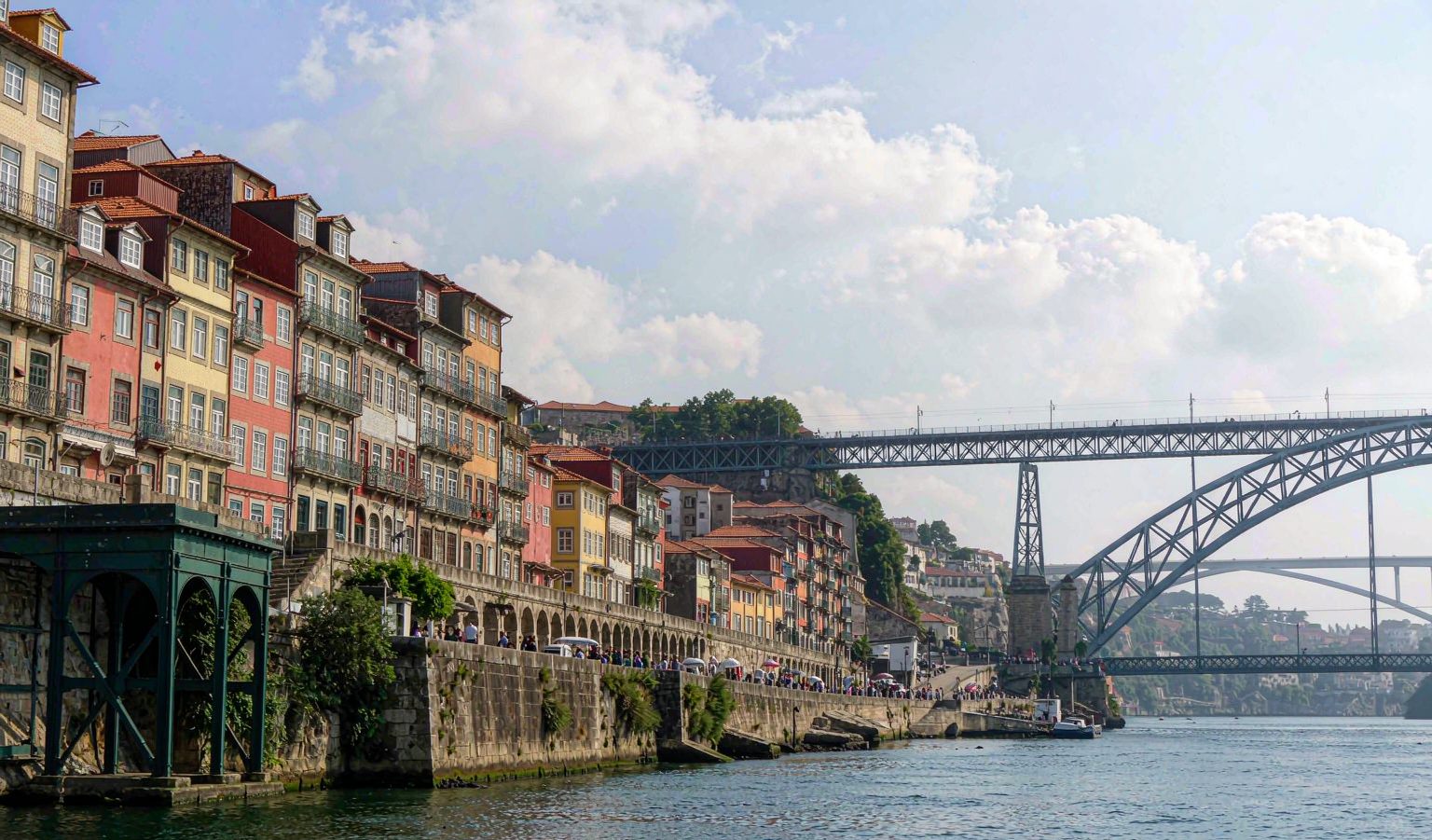
The Ribeira riverside and Dom Luís I bridge are iconic—walk the upper deck for views. The Sé cathedral crowns the hill. São Bento station dazzles with azulejo tiles. The Clérigos Tower and Lello bookstore draw queues—book ahead. The Stock Exchange Palace shows Arabian Hall grandeur. Vila Nova de Gaia across the river holds port lodges. Arrive at Lello early to beat lines. A port lodge visit with tasting beats merely viewing; book cellar tours ahead in peak season for a calmer experience.
Neighborhoods to explore
Ribeira is the picturesque riverside core with lanes and cafés. Cedofeita is artsy with shops and nightlife. Foz do Douro sits where river meets sea, calmer and breezy. Bolhão centers on the revived market. Miragaia is quiet and riverside. Each area has a mood. Stay central to walk or tram to sights. Peripheral zones add commute; the core is compact but hilly, best on foot between cellars, miradouros, and evening strolls through tiled, lamp-lit lanes near the Douro.
Local food: what to eat & where
Try francesinha, a layered meat-and-cheese sandwich with beer sauce, at a traditional tasca. Bacalhau à Gomes de Sá and grilled sardines appear on menus. A bakery sells pastéis de nata and bolinhos. The Bolhão market offers cheese, tripe, and produce. Wine bars pour port and vinho verde by the glass. Tripas à moda do Porto is the local tripe dish. Finish with a custard tart. Gather bread, cheese, and fruit for a picnic on the riverbank watching the rabelo boats.
Where to stay
Ribeira puts you at the river, bridges, and dining—scenic but touristy. Cedofeita suits artsy, budget stays with nightlife. Foz do Douro offers calmer, breezy stays by the sea. Bolhão is central near the market. Miragaia is quiet and riverside. Avoid distant suburbs for short trips. Choose lodging near a metro or tram stop to handle hills; central bases keep cellar visits and evening returns easy, and put miradouros, tascas, and the Douro within a short walk.
Getting around
Porto's metro, tram, and bus network covers the city; buy an Andante card and validate. The center is walkable but hilly; funiculars help riverside climbs. Taxis and ride apps help late or with luggage. Trains from São Bento reach the Douro Valley for wine tours. Avoid driving downtown—narrow lanes, hills, and restricted zones penalize visitors. The airport connects by metro. Keep transit tickets until the end of the ride; inspectors fine those without valid, validated passes during transit.
Avoid these mistakes
Don't visit Lello bookstore or the Clérigos Tower without timed tickets in peak season—queues are long. Avoid the priciest Ribeira terraces with tourist menus; seek tascas in back lanes. Beware pickpockets on crowded trams and at São Bento. Don't drive the narrow, hilly core; use transit. Skip August if you dislike heat and crowds. Watch uneven granite cobbles—wear sturdy shoes. Secure bags in busy markets and on the busy Dom Luís I bridge walkway.