City overview & best season
Provence spans lavender fields, vineyards, and hilltop villages under a sunny Mediterranean climate. Spring (April–June) and early autumn are best—blooming or harvest time, milder heat. July's lavender peaks but crowds swell; August is hot and busy. Base in a central town like Avignon, Arles, or Aix to day-trip. Markets, Roman ruins, and slow lunches define the rhythm. Winter is quiet with some closures. Allow at least four days to savor the region's scattered, relaxed pace.
Must-see sights
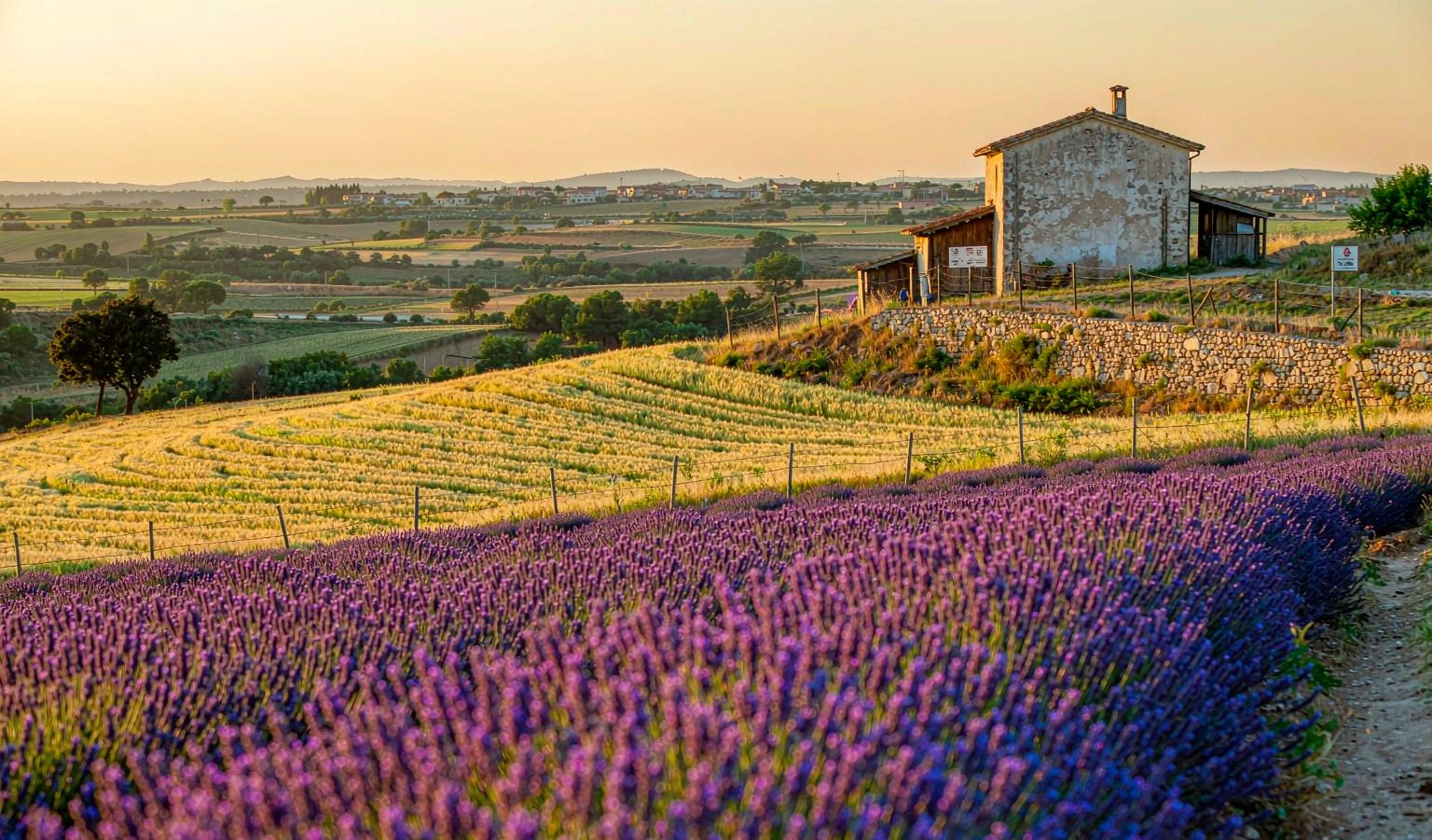
The Roman arena and theater in Arles anchor antique history, with Van Gogh sites nearby. Avignon's Palais des Papes and broken bridge are UNESCO icons. Pont du Gard is a towering Roman aqueduct. Gordes and Roussillon are photogenic hilltop villages. The lavender fields around Valensole bloom in July. Aix-en-Provence offers fountains and Cézanne trails. Book arena and palace tickets in summer. Drive or join a tour to reach dispersed villages, as public transit between them is limited.
Neighborhoods to explore
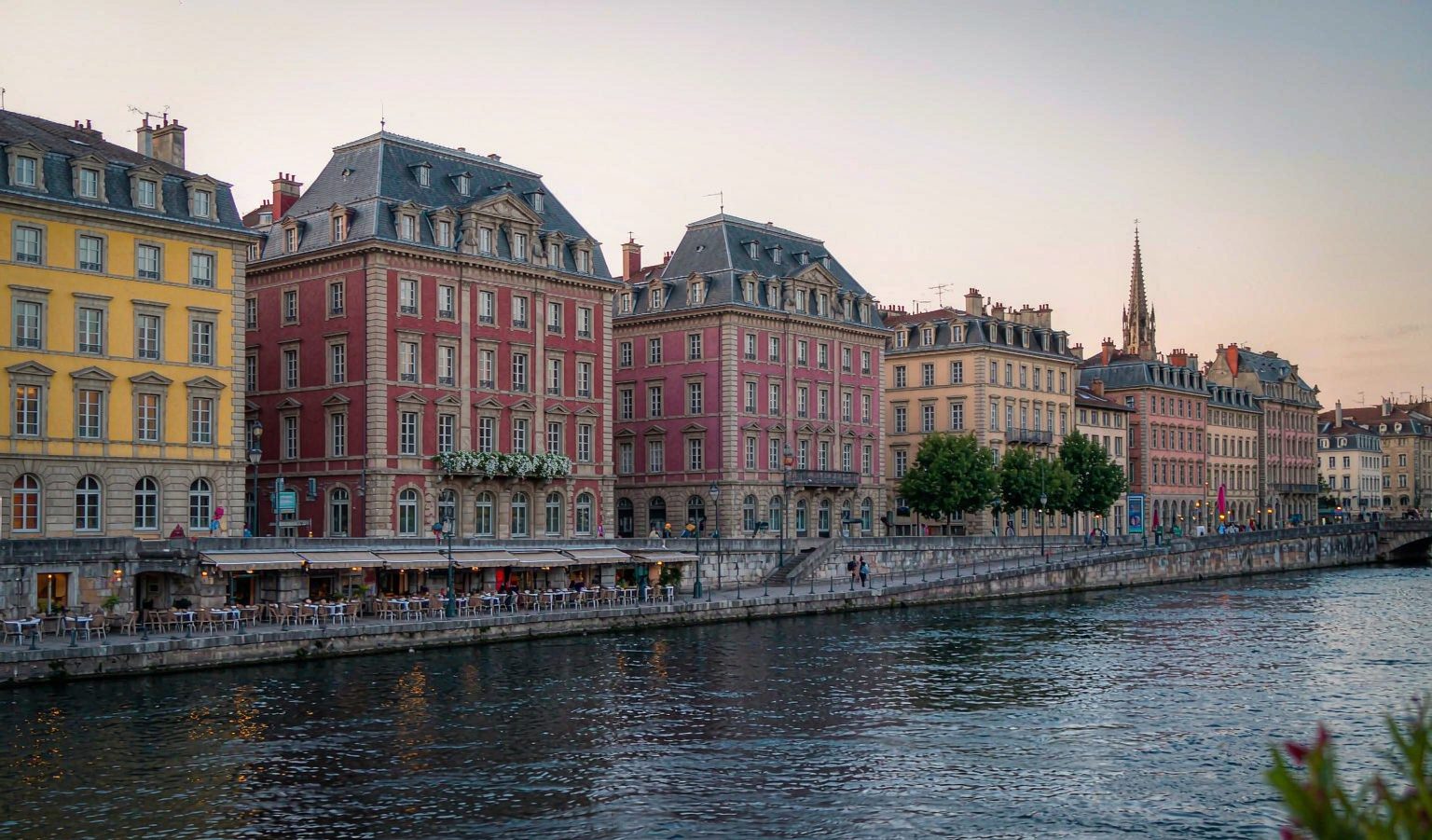
Avignon centers on its walled old town with cafés and the palace square. Arles blends Roman monuments and a relaxed Camargue edge. Aix-en-Provence is elegant with tree-lined cours and markets. Saint-Rémy sits near Roman ruins and Van Gogh paths. Smaller hill towns like Ménerbes offer quiet stays. Each base has a weekly market day worth planning around. Stay in one central town to reduce driving, and explore surrounding villages by car or guided minibus rather than infrequent buses.
Local food: what to eat & where
Try ratatouille, a stewed vegetable dish, and tapenade spread with bread at a village café. Bouillabaisse appears near the coast, while daube beef braises in red wine inland. A bakery sells fougasse, a ladder-shaped bread, and calissons, almond sweets. Markets overflow with tomatoes, olives, and cheese. Wine bars pour Côtes de Provence rosé by the glass. Finish with lavender honey or a tarte aux fruits. Picnic with bread, cheese, and melon bought from a morning market stall.
Where to stay
Avignon works as a transport hub with a walled center and TGV access. Arles suits history and nature lovers near the Camargue. Aix-en-Provence appeals to elegant-stay seekers with fountains and cafés. Hill villages like Gordes offer quiet, scenic bases but fewer services. Saint-Rémy balances charm and convenience. Avoid remote hamlets without a car. Choose a central town with a market day and parking, so day trips to vineyards and lavender fields remain easy and unhurried.
Getting around
A car is nearly essential to roam Provence's dispersed villages and lavender routes. Trains link Avignon, Arles, and Aix, but not the hill towns. Local buses exist yet run infrequently, so plan carefully. Guided minibus tours cover wine and lavender loops. Cycling works on flat vineyard roads for confident riders. Avoid relying solely on transit for village-hopping. Park in town lots and walk. Summer roads to Gordes and Valensole get congested—arrive early to beat tour buses.
Avoid these mistakes
Don't visit lavender fields outside July and early August—they are mostly cut by mid-August. Avoid driving the popular villages at midday in summer when parking vanishes. Don't skip market days, the region's highlight. Beware midday closures; many shops shut 12–2. Don't assume villages connect by train—they don't. Avoid booking stays without parking in hill towns. Watch for strong mistral winds that chill evenings even in warm months.