City overview & best season
Rome has a Mediterranean climate: hot, dry summers and mild, wet winters. April–May and September–October are ideal—pleasant and less crowded. August sees many closures as locals flee the heat. The city layers ancient ruins, Baroque fountains, and vibrant neighborhoods across hills and the Tiber. Allow at least four days. Spring brings blossom; autumn offers golden light and festivals. Carry water to refill at the many public nasoni fountains scattered through the historic center streets.
Must-see sights
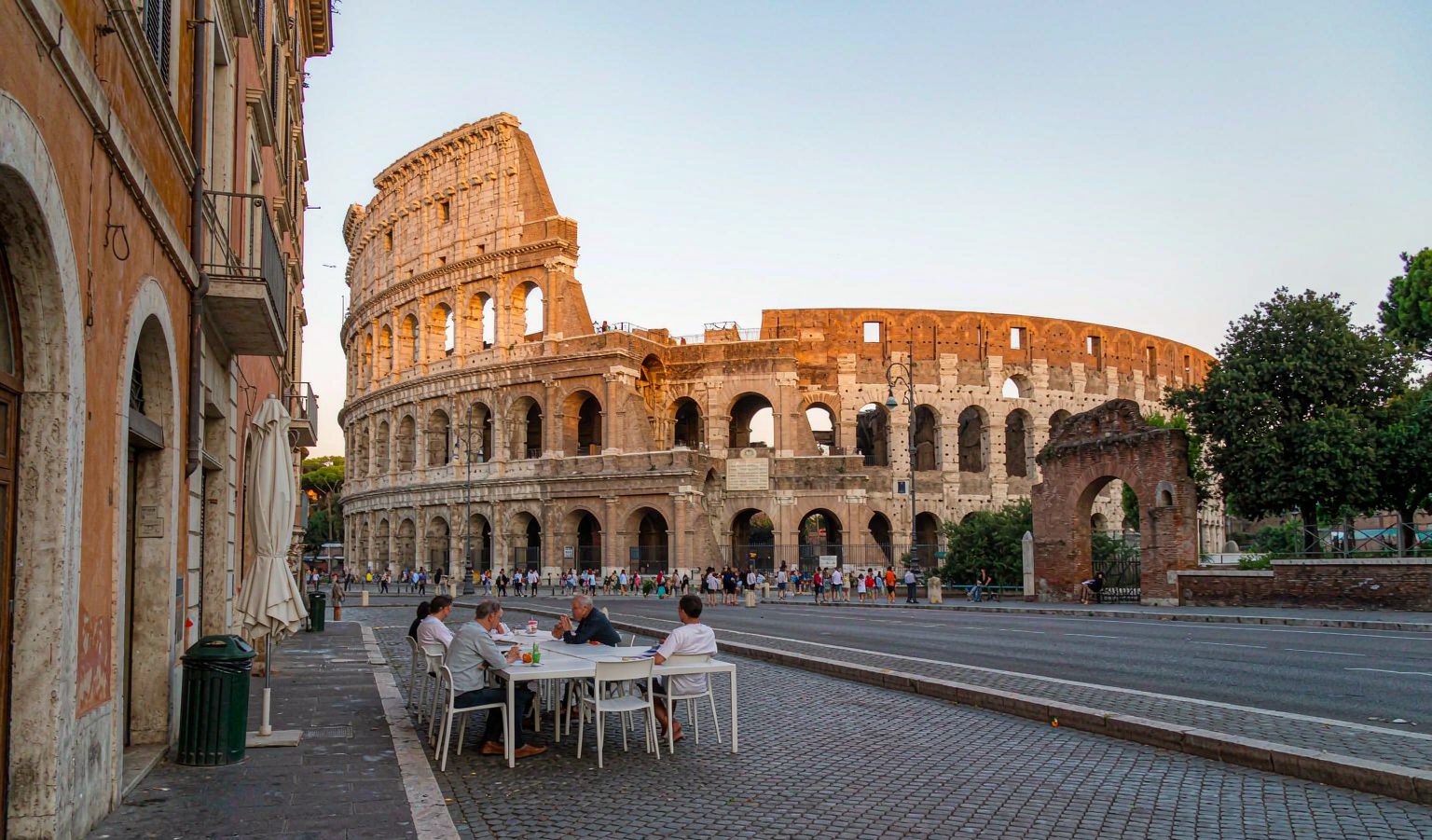
The Colosseum, Roman Forum, and Palatine Hill form the ancient core—book timed tickets to skip lines. Vatican Museums and St. Peter's Basilica require advance reservations; the Sistine Chapel is the climax. The Pantheon, Trevi Fountain, and Piazza Navona are walkable Baroque landmarks. Trastevere's lanes charm at golden hour. The Borghese Gallery needs pre-booked slots. Arrive at popular sites early or late. A combined forum pass saves money, and modest dress is required inside churches and the Vatican.
Neighborhoods to explore
Centro Storico packs Pantheon, piazzas, and cafés into walkable lanes. Trastevere offers bohemian atmosphere, trattorias, and evening buzz across the river. Monti blends vintage shops and ruins near the Colosseum. Testaccio is local and foodie, with a famous market. Prati sits by the Vatican with calmer, family streets. The Esquilino is multicultural with budget eats. Each area suits different moods. Stay central to walk to sights; peripheral zones mean longer metro or bus rides into the heart.
Local food: what to eat & where
Eat cacio e pepe, carbonara, and amatriciana at a traditional trattoria—these Roman pastas define the city. Supplì rice balls and pizza al taglio by the slice come from a bakery or counter. Try saltimbocca and carciofi alla romana (artichokes) at a neighborhood restaurant. Markets sell pecorino, porchetta, and seasonal produce. Wine bars pour Frascati by the glass. End with gelato from a gelateria. Gather bread, cheese, and olives for a picnic on a quiet piazza step.
Where to stay
Centro Storico and Monti put you amid ruins and walkable dining—great for first visits. Trastevere suits nightlife and character, though a longer walk to some sights. Prati is calm, family-friendly, and near the Vatican. Testaccio attracts food lovers wanting local life. Esquilino offers budget, multicultural stays. Avoid far suburbs to save commute time. Choose a base near a metro or tram line and a good market, so daily sightseeing and meals stay convenient and relaxed.
Getting around
Rome's metro has three lines plus frequent buses and trams; buy tickets at newsstands or machines and validate on board. Walking covers most central sights, but distances add up. Taxis and ride apps help late or for luggage. Avoid driving—traffic, ZTL restricted zones, and scarce parking penalize visitors. The hop-on bus tours give orientation. Bikes are tricky in traffic. Keep tickets until the end of the ride; inspectors fine travelers without valid, validated passes.
Avoid these mistakes
Don't visit the Vatican or Colosseum without advance tickets—lines are long and summer heat brutal. Avoid eating on the main piazza steps near major monuments where prices spike. Beware fake charity petition scams and bracelet sellers in tourist zones. Don't drive into restricted ZTL zones; fines arrive later. Skip August if you hate heat and closures. Dress modestly for churches. Watch pickpockets on crowded buses and at busy attractions like the Trevi Fountain.