City overview & best season
Seville has a hot-summer Mediterranean climate; spring (March–May) is magical with the Feria and orange blossom, and autumn is pleasant. July–August is brutally hot—midday activity stalls. The Andalusian capital brims with Moorish architecture, flamenco, and tapas. Allow three days. Spring light is golden; winter is mild and quiet. Plan sightseeing for mornings and evenings in summer, nap at midday, and enjoy the city's late rhythm of dinners, music, and torch-lit lanes through the Santa Cruz quarter.
Must-see sights
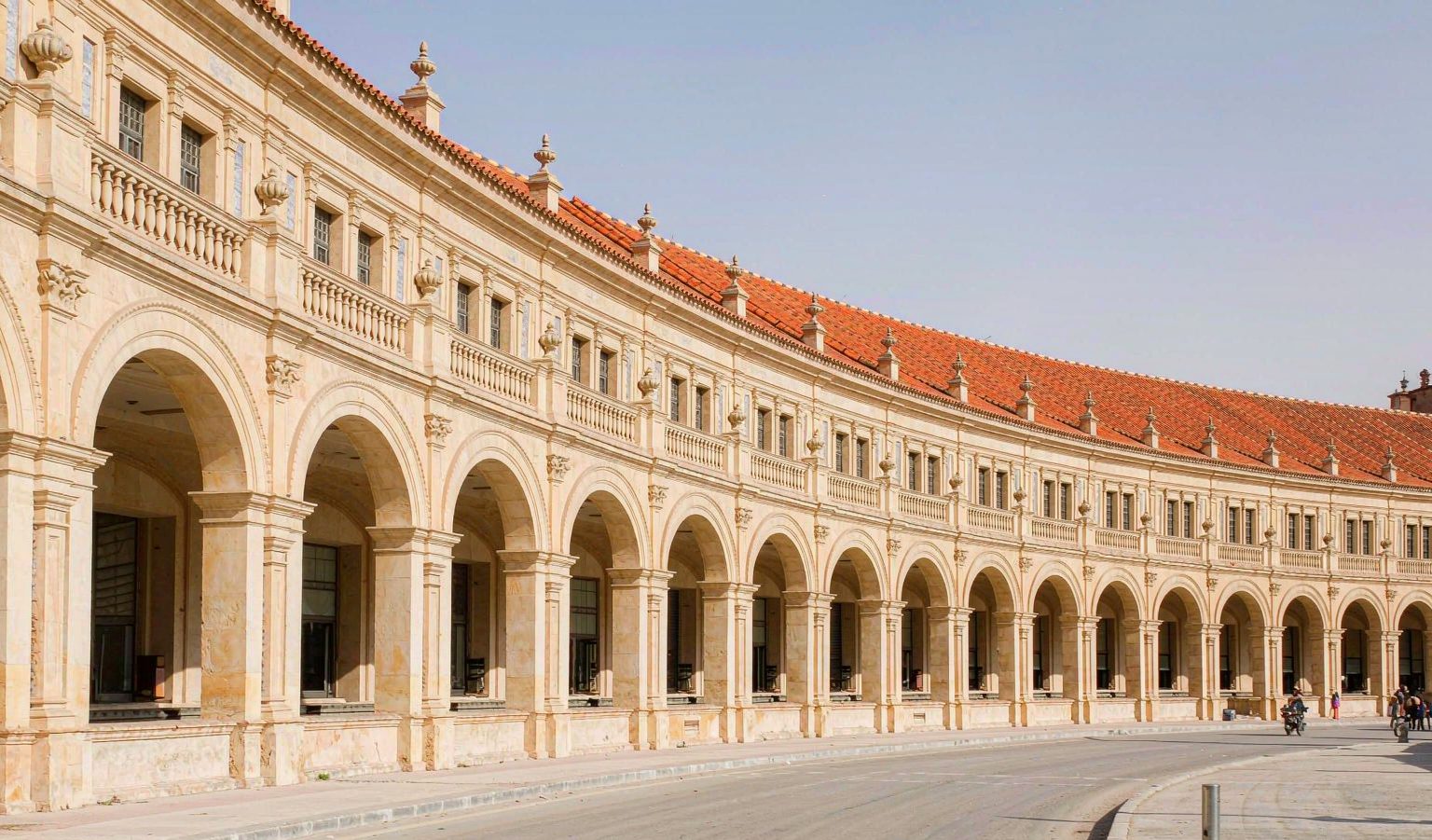
The Real Alcázar is a Moorish palace—book timed tickets to skip lines. The Cathedral and La Giralda tower offer climbs and views. Plaza de España is a tiled, semicircular spectacle. The Barrio Santa Cruz charms with white lanes. Metropol Parasol gives wooden canopy views. Triana across the river holds ceramic shops. Arrive at the Alcázar when it opens. A combined cathedral-and-tower ticket saves money. Evening flamenco shows in intimate venues beat large tourist theaters for authenticity and atmosphere.
Neighborhoods to explore
Santa Cruz is the whitewashed old Jewish quarter near the cathedral. Triana across the bridge is artisan, flamenco, and ceramic-rich. Alfalfa and Alameda blend bars, youth, and nightlife. El Arenal holds the bullring and tapas. Macarena is local with a famous basilica. Each area has character. Stay central to walk to sights. Peripheral zones add commute; the core is compact and best on foot between plazas, courtyards, and evening strolls through narrow, flower-filled lanes and lit fountains.
Local food: what to eat & where
Try salmorejo, a cold tomato soup, and pescaíto frito, fried fish, at a traditional tapas bar. Jamón ibérico and carrillada pork appear on menus. A bakery sells torrijas, fried bread in syrup, and polvorones. The Mercado de Triana offers cheese, olives, and produce. Wine bars pour sherry—fino and manzanilla—by the glass. Gazpacho cools in summer. Finish with churros from a café. Gather bread, cheese, and oranges for a picnic along the Guadalquivir riverbank at sunset with the tower lit.
Where to stay
Santa Cruz puts you amid the cathedral, lanes, and dining—central but touristy. Triana suits travelers wanting ceramics, flamenco, and local life. Alameda and Alfalfa offer nightlife and budget stays. El Arenal is near the bullring and tapas. Macarena is local and quieter. Avoid distant suburbs for short trips. Choose lodging near a tram or bus line and a good tapas street, so sights and evening meals stay an easy walk through the compact, walkable historic core.
Getting around
Seville's center is walkable; trams and buses cover gaps, and a metro reaches outskirts. Buy bus tickets at kiosks or on board. Taxis and ride apps help late or with luggage. Bikes and e-scooters work on flat paths. Avoid driving downtown—narrow lanes, restricted zones, and scarce parking penalize visitors. The Santa Justa station links to Córdoba and Granada by train. Keep bus tickets until the end of the ride; inspectors fine those without valid passes during transit.
Avoid these mistakes
Don't visit the Alcázar or Cathedral without timed tickets in spring—Seville's peak draws huge crowds. Avoid the priciest plaza terraces with tourist menus; seek back-street tapas bars. Beware midday summer heat—sightsee early and rest at noon. Don't miss Triana across the river. Watch for pickpockets on crowded trams and at the Feria. Avoid driving the narrow core. Don't plan too much in August; many close and the heat exhausts. Secure bags in busy plazas and markets.