City overview & best season
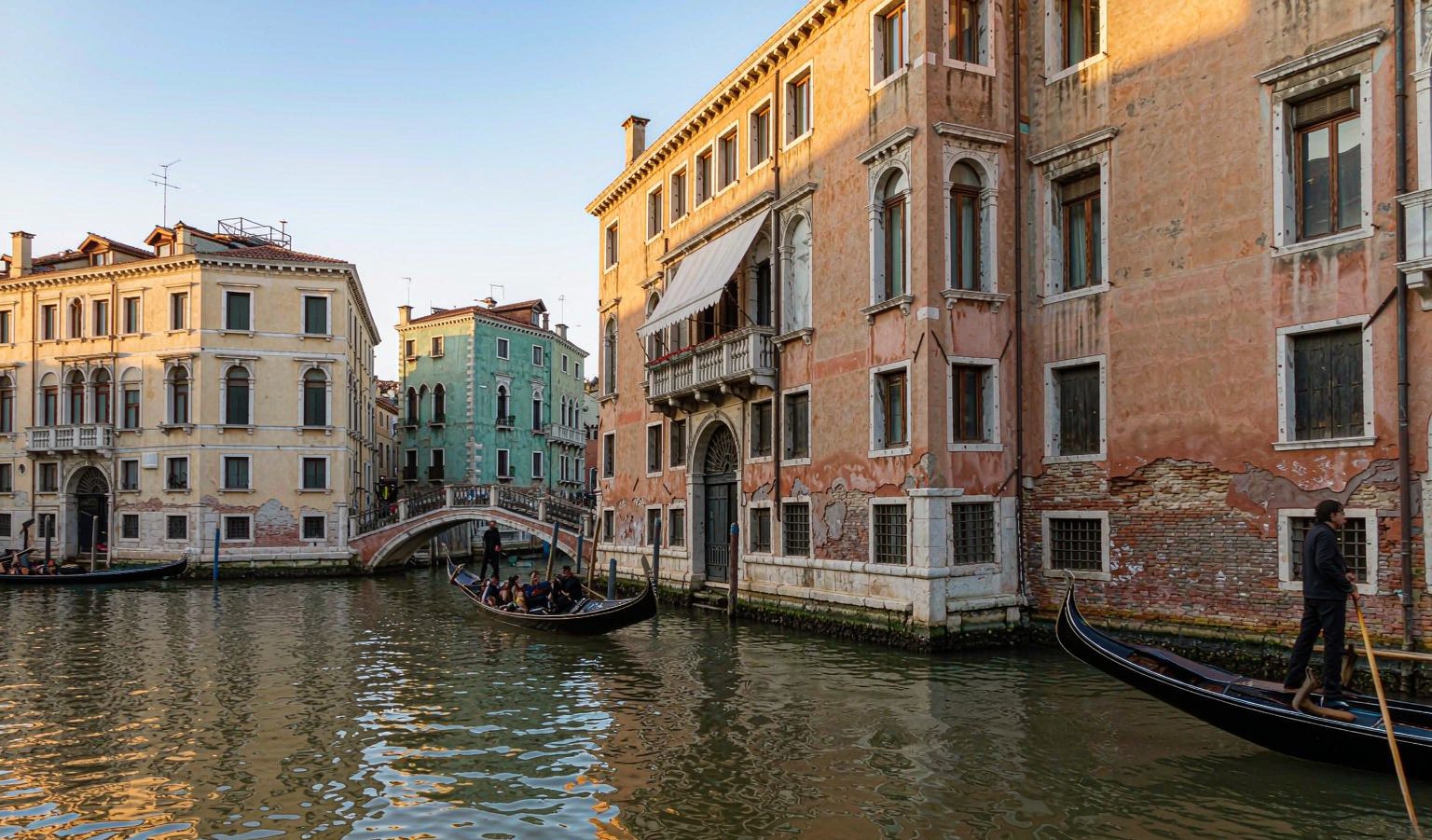
Venice has a humid, mild climate with hot summers and cool, foggy winters. April–May and September–October are ideal—temperate and less packed. Summer brings cruise crowds and humidity; winter sees acqua alta floods. The lagoon city trades cars for vaporetti and footbridges. Allow three days for sanctuaries, canals, and Murano. Spring light is photographic; autumn calmer. Wear comfortable shoes for endless bridges, and check tide forecasts so high-water platforms don't disrupt your planned routes through Saint Mark's.
Must-see sights
St. Mark's Basilica and the Doge's Palace anchor the main square; book skip-the-line tickets. The Campanile and Bridge of Sighs offer classic views. The Accademia holds Venetian masters. The Rialto Bridge and market are lively and historic. Murano and Burano islands reward with glass and lace. Scuola Grande di San Rocco holds Tintoretto cycles. Arrive at St. Mark's early to beat cruise-day crowds. A vaporetto day pass helps reach outer islands without pricey private water taxis.
Neighborhoods to explore
San Marco is the monumental heart near the basilica and square. Dorsoduro mixes art, calm campi, and the Accademia. Cannaregio is local, with the Jewish Ghetto and quiet canals. Castello holds the Biennale gardens and fewer tourists. San Polo and Santa Croce center on Rialto and the station. Each sestiere has its own feel. Stay central to walk or vaporetto easily. Mestre on the mainland is cheaper but loses the lagoon magic—choose it only for tight budgets.
Local food: what to eat & where
Try cicchetti, small bites, with a spritz at a bacaro wine bar. Bigoli in salsa and risotto al nero di seppia (squid-ink rice) appear at traditional osterias. A bakery sells frittelle and baicoli sweets. The Rialto market offers fresh fish, radicchio, and produce. Wine bars pour Prosecco and Soave by the glass. Finish with tiramisù from a pasticceria. Gather bread, cheese, and fruit for a picnic on a quiet fondamenta. Avoid the main-square eateries where prices and cover charges climb steeply.
Where to stay
San Marco puts you at the monuments but costs more and stays busy. Dorsoduro suits art lovers wanting calmer, residential canals. Cannaregio offers local life, the Ghetto, and better-value stays. Castello is quieter near the gardens. San Polo sits by Rialto and dining. Stay in the lagoon, not Mestre, to feel Venice—unless budget forces the mainland. Pick lodging near a vaporetto stop to haul luggage across bridges easily, and avoid ground-floor rooms during acqua alta flood days.
Getting around
Venice moves by vaporetto, water taxi, and foot. Buy vaporetto passes at stops or online; single rides are pricey. Walking covers most of the center via bridges and calli. Water taxis cost far more but help with heavy bags. Trains and buses arrive in Mestre and the bus terminal. Avoid renting cars—park on the mainland and take transit in. Maps mislead; allow extra time to get lost pleasantly. Wear flat shoes for endless uneven bridges and steps.
Avoid these mistakes
Don't visit St. Mark's or the Doge's Palace without timed tickets in peak season—lines snake for hours. Avoid the main-square cafés with cover-charge music; prices triple. Beware fake glass 'Murano' sold off-island. Don't walk in forbidden church paths during services. Skip summer cruise days when the square overflows. Watch for acqua alta and wet shoes—check tide tables. Avoid the crowded Rialto eateries; seek back-street bacari instead for honest cicchetti and fair prices.